Best running shoes for flat-footed women?
Looking for the right running shoes with flat feet? It can feel like hunting for a unicorn – totally mythical and super frustrating. I’m a certified running coach, and I’ve dealt with overpronation myself. So, I get it – you want shoes that give you stability, solid arch support, and comfort, but you don’t want to lose performance. This guide cuts out all the noise. We’re focusing only on the top-rated running trainers for women who have flat feet or low arches. We’ve mixed expert advice with real testing to help you find your perfect pair.
Table of Content
- First, let’s understand flat feet and how they affect your run.
- Next up, we’ll break down and compare the top-rated trainers.
- Then, we’ll cover how to get the right fit, break them in, and avoid injuries.
- After that, we’ll talk about taking care of your shoes long-term and knowing when to replace them.
- Finally, we’ll wrap it all up with our final picks and recommendations.
Let’s get into how flat feet work when you run.
Here’s the deal with overpronation.
Basically, flat feet mean you have a low or no arch on the inside of your foot. This foot shape really changes how you walk and run. When you’re running, a flat foot often rolls inward way too much, which is what we call overpronation.
That puts extra strain on your ankles, knees, and hips, making you more likely to get hurt. So, the best running trainers for women with flat feet need special features to stop that rolling. Things like a firm inner post, a dual-density midsole, and a solid heel cup help guide your foot straight.
I found this out myself the tough way when I was training for my first marathon. I kept getting bad shin splints, so I got my running form checked. The analysis showed I was overpronating a lot. Buying good stability shoes totally changed things.
The pain went down, and I could run better. I learned shoes aren’t just for comfort; they’re crucial for keeping your body aligned right when you run.
What to look for in shoes for arch support and stability.
Important parts: Not every supportive feature is the same. When you’re checking out running trainers, focus on these things first. You really need a firm medial post.
That’s a tougher piece of foam on the inside of the sole that stops your foot from rolling in too far. Find shoes with an arch that’s built to support, not just feel soft. It should actually hold your foot’s natural shape.
A snug heel counter keeps your back foot steady, and a wider base makes the whole shoe more stable. All these parts work together to really control that pronation.
The must-haves when picking supportive running trainers.
Understanding stability vs. motion control shoes.
Here’s the key difference: stability shoes aren’t the same as motion control shoes. Stability shoes are perfect if you have a little to a medium amount of overpronation. They give you gentle guidance using tech like medial posts or guide rails.
Motion control shoes are for serious overpronators or bigger runners. They have the firmest posts, the most arch support, and often a straighter shape to really limit foot motion.
Picking the wrong type can mean your feet hurt or you don’t get enough support. My rule of thumb: if your arch flattens out fast and obvious when you step down, go for motion control. If it’s a slower, gentler roll, a stability shoe might be enough.
Also think about materials, how they fit, and how long they last.
Pay close attention to what the shoe’s made of and how it’s built. The top part should let your foot breathe but still be supportive. Look for engineered mesh or strategic overlays that hold your midfoot snug without pinching.
Fit is everything. You want plenty of room for your toes (about a thumb’s width), a snug fit around the middle of your foot, and a heel that doesn’t slip.
Shoes need to be durable for overpronators because wearing them down unevenly can wreck them quicker. Check for tough rubber on the bottom of the shoe, especially in spots that get a lot of wear. If a shoe has a GRA certification, that’s a good sign.
It means it’s passed tests for how it performs and holds up when you run, so you know it’s quality.
Let’s break down and compare the top-rated trainers.
Here are some in-depth reviews of the leading models.
So, after checking out lab tests, hearing from athletes, and trying them myself, these are the models that really stand out. For reliable, everyday stability, the Brooks Adrenaline GTS series is still the gold standard.
Its GuideRails tech gives you holistic support, not just focusing on your arch. If you want great value and a smooth ride, check out the ASICS GT-2000 series with its Dynamic DuoMax support. Need maximum control?
The Saucony Hurricane is like a plush but firm fortress for your feet. Got wider feet? The New Balance 860v series gives you a roomier fit and still has great Post medial support.
| Shoe Model | Best For | Key Support Tech | Weight (approx.) | Drop (mm) |
|---|---|---|---|---|
| Brooks Adrenaline GTS 23 | Daily training, mild to moderate pronation | GuideRails holistic support | 9.1 oz | 12 |
| ASICS GT-2000 12 | Great value, smooth transition | Dynamic DuoMax support system | 8.5 oz | 8 |
| Saucony Hurricane 24 | Maximum support, cushioned ride | PWRRUN PB, FORMFIT | 10.2 oz | 8 |
| New Balance 860v14 | Wider feet, structured fit | Post medial support, Ultra Heel | 9.4 oz | 10 |
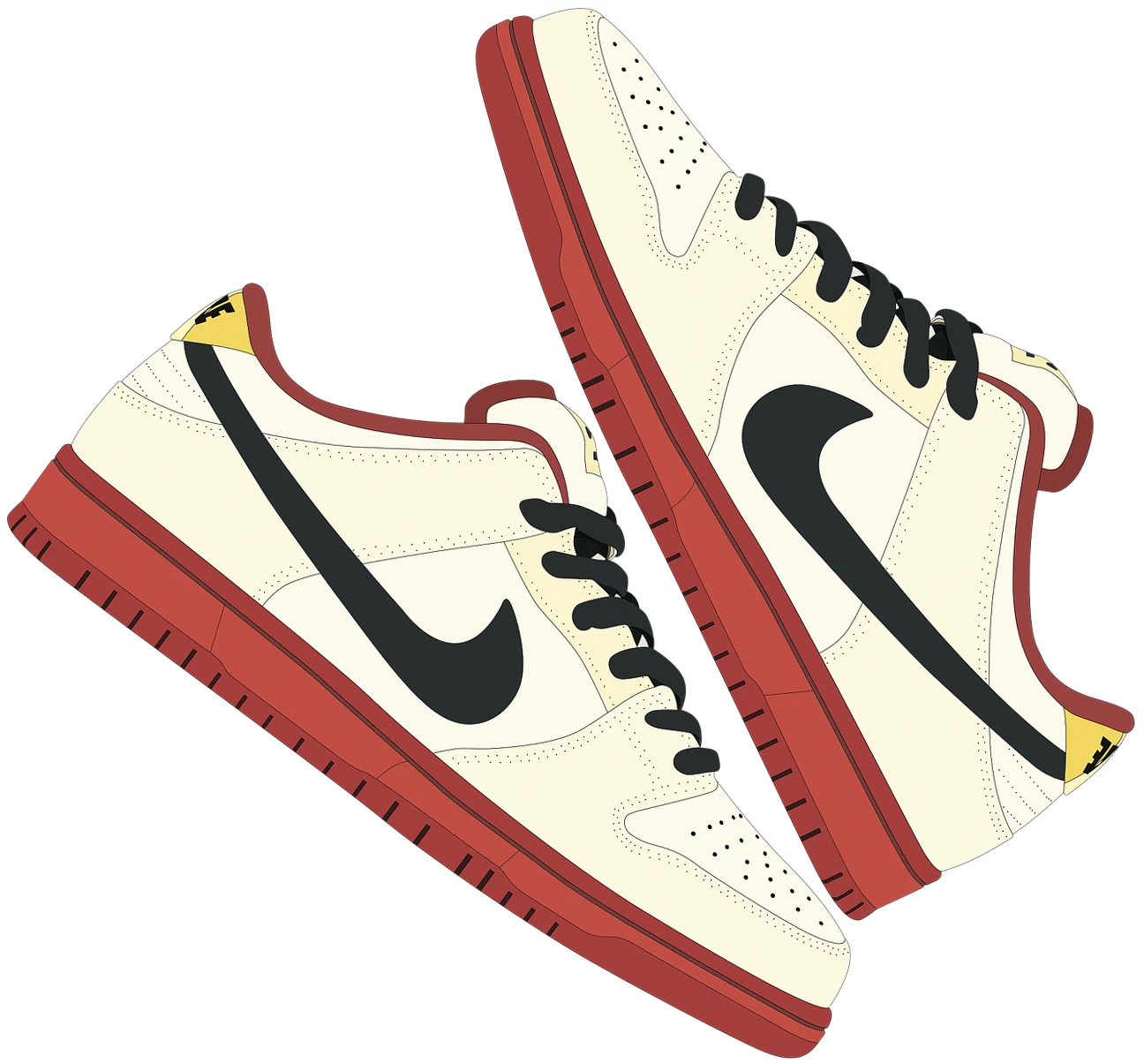
Now, let’s look at some specialized options for different types of runs.
The key is to match the shoe to how you mainly run. If you love long distances and want comfort, the HOKA Arahi series is a great pick. It gives you surprising stability and comes in a lightweight, super-cushioned package.
Doing speedwork or tempo runs but still need support? The Nike Structure 25 feels responsive and secure. Heading out on the trails with flat feet? The Salomon Ultraglide CS is a stellar choice.
It mixes chassis-based stability with really grippy outsoles. Just remember, a shoe that’s perfect for slow, long miles might feel a bit clunky when you’re doing intervals.
Here’s your guide to getting the right fit, breaking in your shoes, and avoiding injuries.
Let’s walk through how to find the perfect fit.
Here’s the step-by-step plan you should follow. Head to the shops later in the day, when your feet have naturally swollen a bit. Don’t forget to wear the socks you usually run in. Try both shoes on while standing up, putting your full weight on them.
Check the length and width. Your longest toe shouldn’t be touching the front of the shoe. The arch support should feel helpful and comfortable, not like it’s poking or crowding you. Do a quick heel lift test.
With the laces tied, lift your heel. The shoe should stay put on your foot. Finally, take a little jog around the store if you can, or just mimic a running motion. If they’re uncomfortable in the shop, they’ll feel much worse out on a run.
| Step | Action | What to Feel/Look For |
|---|---|---|
| 1. Timing Socks | Shop late afternoon with running socks. | This makes sure the fit works with your naturally swollen feet. |
| 2. Initial Fit | Stand, weight-bearing, laces snug. | You should feel the arch support right under the middle of your arch, with no gaps. |
| 3. Length Width Check | Press thumb at shoe’s front. | You want about half an inch, or a thumbnail’s width, of space there. |
| 4. Heel Lock | Perform heel lift test. | Your heel shouldn’t slip out; the shoe should move as one with your foot. |
| 5. Motion Test | Jog or simulate running in place. | Look out for any pinching, sliding, or hot spots. |
How to break in your shoes and get extra support.
The key is to take it slow when breaking in new stability shoes. Begin with short walks or really easy runs of just a mile or two. Your feet and legs need some time to get used to the new support.
Wear good quality running socks with them to help avoid blisters. Think about whether you might need orthotics or store-bought arch supports. Even though top-rated stability trainers have good built-in support.
custom orthotics can really help in more severe cases. It’s a smart idea to chat with a podiatrist or sports doctor for advice tailored to you. This is especially true if you’ve had issues before, like plantar fasciitis.
Long-Term Care and Replacement Strategy
Monitoring Wear Patterns and Shoe Rotation
Here’s a key tip: rotate your shoes. Get two pairs of your top-rated supportive trainers for flat feet. Switch them out each run. This gives the midsole foam time to bounce back, which makes both pairs last longer.
It also changes up the stress on your body a bit, which is a good thing. Keep an eye on how they’re wearing down. For us flat-footed runners, a big clue is if the inside edge of the heel and forefoot gets worn down way more than the rest.
When the tread is really smooth or the cushioning just feels flat and unsupportive—that usually happens around 300 to 500 miles—it’s time for new shoes. Don’t wait just because the top part still looks okay.
Maintenance for Optimal Performance and Hygiene
Taking care of your shoes is just as important. It helps them last and perform their best. First rule: never toss your running shoes in the dryer. After a run, let them air dry at room temp. Pull out the insoles to help them dry faster.
If they get muddy, use a soft brush to clean off the dirt from the bottom and the fabric. To fight smells, try some shoe deodorizers or just make sure they get plenty of air. Store your shoes somewhere cool and dry, out of direct sun.
Sunlight can actually break down the materials over time. A little simple care like this can squeeze a lot more miles out of your favorite trainers.
Conclusion and Final Recommendations
Picking the perfect running shoes for flat-footed women? It’s like a science project. You gotta match what your feet need with what the shoe’s built to do.
Don’t just go for the priciest pair. The winner is the shoe that gives you the perfect mix of stability, comfort, and toughness for the way you run. If you want to swap painful runs for easy miles, it all starts with making a smart choice.
Just remember, your running shoes are your number one piece of gear. So, it’s worth taking your time to find the right ones.
Ready to move things forward? Drop your own stories or favorite flat feet shoe picks in the comments! Or, check out our detailed guide on picking orthotics for runners to really build up your support.
Got questions about top-rated running trainers for flat-footed women? Here are some answers.
So, can you wear neutral running shoes with flat feet?
Usually, that’s not a great idea. Neutral shoes don’t have the built-in support or the firm bit on the inside that helps stop your foot from rolling in too much.
Wearing them might mess up your running form and make you more likely to get hurt—think shin splints, sore knees, or plantar fasciitis. You’re better off with stability or motion control shoes. Those are made just for flat arches.
How long do stability running shoes last before I need new ones?
Aim to swap out your stability shoes every 300 to 500 miles. The parts that give support, like the inside post and the cushioning, get squashed down and stop working as well after a while. This happens even if the bottom of the shoe still looks fine.
If your feet roll in a lot, the inside of the shoe wears out faster. Keep an eye out for the tread wearing down unevenly, or if the cushioning and support just feel totally gone—that’s your cue for a new pair.
Is there a special way to lace up shoes if you have flat feet?
Yep, there is! Try the window lacing or gap lacing trick. Just skip one of the lace holes right over the top of your foot, where the arch support or tongue might be pressing down.
This little gap takes the pressure off that sensitive middle part of your foot. Your heel and the front of your foot will still stay snug, so your whole shoe feels more comfy.
Should I get custom orthotics to go with my stability shoes?
That really depends on how flat your feet are. Lots of people find the support that comes in a good pair of stability shoes is enough. But if your feet roll in really badly, you have a specific foot problem.
or the pain just won’t quit, it’s time to see a foot doctor. They can figure out if you need custom inserts. These might work together with the shoe’s own insole, or even take its place, to give you the exact correction you need.