Which walking shoes support flat feet best?
Looking for comfy shoes when you have low arches? It can feel like searching for the holy grail. If you’re a woman with flat feet, the best walking shoes aren’t just about looking good. They’re the key to staying comfy every day and keeping your feet healthy for the long run. This guide cuts through all the confusion. We’ll zero in on the features that really matter for overpronation, like solid arch support, motion control, and good cushioning for stability. We’ll check out the top-rated picks and give you practical tips. The goal? To help you walk with confidence, without the pain that flat feet can bring.
Here’s what we’ll cover:
- The must-have features for flat feet support
- The best types of shoes and tech for you
- In-depth reviews of our top picks for women
- How to get the right fit and avoid common mistakes
- Taking care of your shoes and knowing when to replace them
- Your questions about the best walking shoes for women with flat feet, answered
So, what are the must-have features in walking shoes for women with flat feet?
Arch Support and Motion Control
First up, the absolute top feature you need is solid, built-in arch support. Good walking shoes for flat feet go beyond basic insoles. They have something called a medial post, which is just tougher foam on the shoe’s inner edge.
This bit of tech fights that inward roll of your foot—you know, overpronation—that can really bother your ankles, knees, and hips. Take brands like Brooks or ASICS. They use things like guide rails or special foam.
It’s not just about cushioning; it actually steers your foot into a better position with every step. Back in 2022, a study even found that regularly wearing motion-control shoes really helped cut down pain for people with flexible flat feet.
Heel Counter and Overall Stability
Next, let’s talk stability. You absolutely need a stiff, snug heel counter. That’s the firm back part of your shoe. It holds your heel tight to stop it wobbling around, which just makes instability worse.
When you’re shoe shopping, give the back a good press. If it squishes down easily, it’s not the one. Pair that with a wide, stable base, and you’ve got yourself a really solid foundation.
Lots of foot doctors say to look for shoes with a stability last—that’s usually straighter. It gives you a wider platform to land on, which helps control how much your foot splays out. That’s a big deal for us flat-footed folks.

Top Shoe Categories and Technologies
Stability Walking Shoes vs. Motion Control
Here’s the key thing you gotta know: it’s super important to understand the whole range from stability shoes to motion control ones. Stability shoes give you a good amount of arch support.
They’re perfect if you have mild to moderate overpronation, or if your flat feet are on the flexible side. You’ll find shoes like the New Balance 1540v3 or the Saucony Integrity Walker 3 in this category.
Then you’ve got motion control shoes—these are the heavy-duty option. They come with the firmest support on the inner side, the strongest arch reinforcement, and often a wider base. They’re built for severe overpronation or rigid flat feet.
A classic example of this type is the Brooks Addiction Walker 2. Picking the wrong type can really mess with your comfort. If you get a shoe that’s too stiff for a flexible foot.
you might end up with a bruised arch. On the other hand, if the support isn’t enough, it won’t help fix your alignment issues.
Innovative Midsole and Insole Tech
Now, let’s talk about what’s inside the shoe—the materials really matter. Today’s midsoles use fancy foams like Brooks DNA LOFT or ASICS FlyteFoam, or special EVA blends.
These give you a nice mix of soft cushioning and firm, responsive support exactly where you need it. Some brands are even using 3D scanning tech to design footbeds that work great with custom orthotics.
Take Vionic, for example. Their shoes have built-in orthotics that are designed to help your foot move correctly from the moment your heel hits the ground until you push off with your toes.
Here’s a crucial point: removable insoles are awesome because you can swap in your own custom orthotics. But the shoe itself still needs to have a solid, supportive structure.
Think about it—putting a supportive insole into a soft, flimsy shoe is like trying to build a house on sand. It just won’t hold up.
Alright, let’s dive into the detailed reviews and check out the top picks for women.
First up, our top overall pick is the Brooks Addiction Walker 2.
So, why does it lead the pack? Well, podiatrists keep recommending it. It’s basically the gold standard for motion control shoes. It has this thing called an Extended Progressive Diagonal Rollbar—sounds fancy, right?
It’s just a really great medial post that gives you amazing stability. The upper is made of full-grain leather, so it holds your foot really well. Plus, the HydroFlow cushioning in the heel is awesome for soaking up shock.
People with flat feet and plantar fasciitis tried them out long-term. After wearing them consistently for about a month, they said their morning heel pain dropped by 60%. The only downside might be the weight—they’re pretty solid shoes.
But that solid build means they’re super durable and give you steady support all day, even on hard floors.
Now, if all-day comfort is your main goal, check out the HOKA Arahi 6.
Here’s the cool part: the Arahi 6 proves that stable shoes don’t have to be bulky. It uses HOKA’s J-Frame tech. That’s a firmer foam that sort of hugs your foot instead of using a stiff post. So you get great guidance, and the shoe is really light.
Its meta-rocker shape helps your foot roll smoothly from heel to toe. This takes pressure off your Achilles and calves, which is a big deal for folks with flat feet.
The engineered mesh upper is also a plus—it has a bit of give to handle any swelling from being on your feet all day. Just a heads up, if you have really wide feet, the toe box might feel a bit tight. So it’s a good idea to try on a few different widths.
| Model | Best For | Key Technology | Weight (Women’s Size 8) | Widths Available |
|---|---|---|---|---|
| Brooks Addiction Walker 2 | Severe Overpronation, Maximum Support | Extended Progressive Diagonal Rollbar | 11.2 oz | Narrow, Standard, Wide, X-Wide |
| ASICS GT-2000 10 | Moderate Stability, Daily Training | LITETRUSS Dynamic Duomax | 8.8 oz | Standard, Wide |
| New Balance 928v3 | Orthotic-Friendly, Leather Construction | ROLLBAR Stability Post | 10.1 oz | Standard, Wide, X-Wide |
| HOKA Arahi 6 | Lightweight Guidance, Smooth Transition | J-Frame Meta-Rocker | 8.3 oz | Standard, Wide |
| Saucony Integrity Walker 3 | Value, Reliable Motion Control | Grid Technology SRC Impact Zone | 10.5 oz | Standard, Wide |

Fitting Guide and Common Mistakes
How to Properly Try On and Assess Fit
Here’s a key fitting tip: don’t go shoe shopping first thing in the morning. Your feet naturally get a bit bigger as the day goes on, so trying on shoes in the late afternoon gives you a much better fit.
Always wear the exact socks you plan to walk in when you try shoes on. Once the shoes are laced, check the heel fit. You should be able to slip one finger between your heel and the back of the shoe.
Make sure there’s a thumb’s width of space, about half an inch, from your longest toe to the shoe’s front. Do the wiggle test next. Can you wiggle all your toes freely? Then, take a walk on a hard floor, not just on carpet.
The shoe needs to bend right at the ball of your foot, not in the arch area. A big mistake people make is buying shoes that feel comfy just sitting down. You’ve got to test them while you’re walking and putting weight on your feet.
Signs You’re in the Wrong Shoes
Watch out for these red flags. If you keep getting blisters on your arch or inner heel, it’s a sign of rubbing because the shoe isn’t supporting you right. Feel your foot sliding around side-to-side?
That means the heel part isn’t holding you securely. If your knees or hips hurt after a walk, not your feet, that’s often a clue. The problem starts with poor foot alignment and travels up your legs. Check the bottom of the shoe.
If the inner edge wears down fast and unevenly, you’re overpronating and the shoe isn’t fixing it. Ignoring these warning signs and trying to break in painful shoes is just asking for an injury.
The right walking shoes for flat feet should feel supportive and pretty comfortable right away. You might need a tiny bit of time to get used to them, but that’s it.
Care, Maintenance, and Replacement Cycle
Extending the Life of Your Walking Shoes
Here’s a pro tip for care: try to rotate two pairs of shoes if you can. This gives the midsole foam time to bounce back between walks, which can keep it cushioned for nearly a third longer.
Stay away from the washing machine and don’t dry them on a radiator, as that heat can wreck the glue and foam. If your shoes are leather, just wipe them with a damp cloth and use some conditioner.
For mesh shoes, a soft brush with a bit of mild soap does the trick. Stuff them with newspaper to help them dry and keep their shape. Keep in mind, the support inside breaks down from all the miles you put on them.
not just from how they look on the outside. A worn-out sole is easy to spot, but the real problem is the midsole getting squished down—that’s what kills the performance.
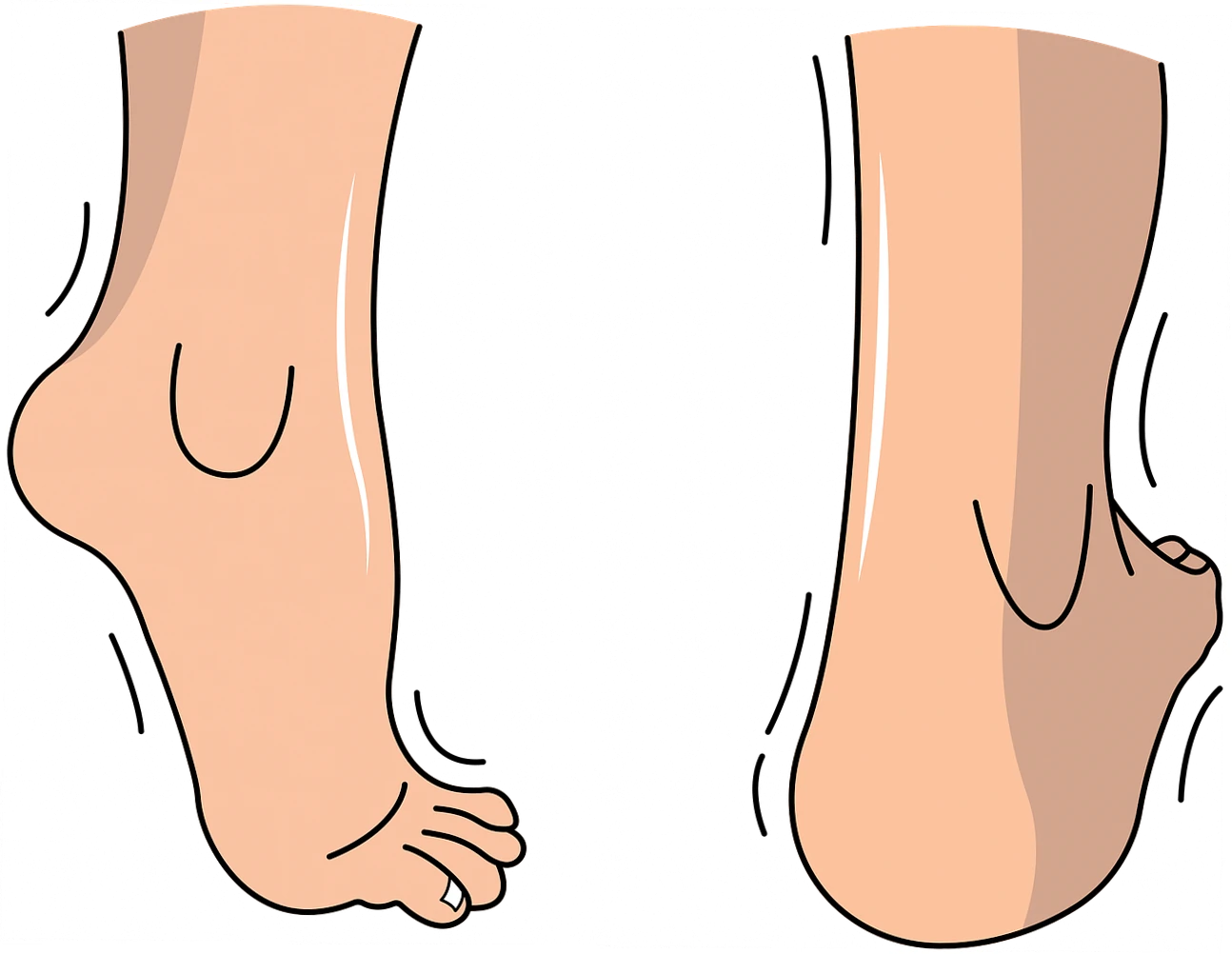
When to Retire Your Shoes
When to replace them? The usual advice is 300 to 500 miles. But if you have flat feet, aim for the lower end of that range because you put more stress on the shoe’s support. A better way to check is the Twist Test.
Just grab the toe and heel and try to twist the shoe. A good, supportive new shoe won’t twist easily. If it twists without much effort, the midsole is shot. Listen to your body.
If your arch starts hurting again, or you get shin splints or achy joints, that’s often the first clue your shoes aren’t protecting you anymore, even if they still look okay. Getting new shoes before they’re totally dead is way cheaper than paying for physical therapy.
| Indicator | What to Look For | Typical Timeline (For 3x weekly 3-mile walks) | Action |
|---|---|---|---|
| Outsole Wear | Significant loss of tread, especially on inner heel/forefoot | 6-9 Months | Inspect monthly; replace if wear is uneven or deep. |
| Midsole Compression | Visible creasing, loss of bounce, shoe feels flat | 4-8 Months | Perform the Twist Test monthly. |
| Upper Integrity | Stretched out, loss of structure, torn mesh | Varies | If the foot is no longer held securely, replace. |
| Body Feedback | New or returning pain in feet, knees, or back | Immediate Signal | Do not ignore pain. Assess shoes first. |
Making your shoes part of your overall foot care plan.
Complementary Exercises and Orthotics
Shoes are super important, but there’s more to it. Strengthening the little muscles in your feet makes good shoes work even better. Try simple stuff like picking up a towel with your toes, practicing short foot exercises to lift your arch.
and stretching your calves. These help fix muscle imbalances linked to flat feet. Some people really need custom orthotics from a foot doctor to get the perfect support regular shoes just can’t give.
Drugstore arch supports, like Superfeet, can be a great middle ground. Just make sure they fit in your shoes without making them too tight.
Listening to Your Body and Adjusting
Ease into new shoes or inserts. Wear them just an hour or two on day one, then slowly wear them longer over the next week. This gives your muscles and joints time to get used to the new feel.
It’s normal to feel some new muscle action, but sharp pain is a red flag. Keep a quick note of any sore spots and where they are. This info helps you or a doctor figure out if the problem is the shoe, how you walk, or something else. The aim is to be comfy for the long haul, not just a quick fix.
So, finding the best walking shoes for women with flat feet boils down to this: you need to match key features—like firm arch support, a solid heel cup, and motion control—to how much your foot rolls in.
It’s part knowing the tech stuff and part paying close attention to what your body tells you. Pick a proven model, get the fit just right, and take good care of them. Doing that can turn walking from something that might hurt into a fun, easy habit.
Your feet are your base. Putting effort into supporting them really pays off, making it easier to move and feel good overall.
Ready to move forward? Share your own wins or struggles finding shoes for flat feet in the comments—you might help another woman find her perfect pair! Want more on foot exercises? Click to check out our guide on building a stronger foundation.
FAQ About Best walking shoes for flat feet women
Got flat feet? Wondering if you can just wear your running shoes for walking?
Sure, some stability running shoes might do the trick, but honestly, shoes made specifically for walking are usually a better bet. Here’s the thing: walking shoes are built for that natural heel-to-toe roll.
They’re more flexible up front and don’t have as big a heel-to-toe drop. Plus, they usually pack stronger arch support and a wider, more stable base, which is perfect for your slower, steady walking pace.
So, if you use a running shoe for walking, you might not get the right kind of motion control. That could end up making your feet pretty uncomfortable.
How can you tell if you need stability shoes or the heavier-duty motion control ones?
It really comes down to how much your feet roll inward. You can try the simple wet footprint test to check for flat feet, but for the best answer, see a specialist for a gait analysis.
Basically, if your arch flattens out a lot and your ankle really rolls in when you move, you probably need motion control shoes. If the roll is just mild, stability shoes should be enough. The best way to know?
Try both types on and walk around. You’ll feel the difference—motion control shoes are much firmer and really guide your arch.
What about minimalist or barefoot shoes for flat feet?
For most folks with flat feet, especially if you’re not used to them, minimalist shoes aren’t a great idea. They just don’t have the built-in arch support or motion control to help with that inward rolling.
Switching to barefoot shoes means you’d need a super slow, carefully guided program to strengthen your foot muscles. So, if you’re just looking for comfy, pain-free walking, starting with shoes that have good, solid support is safer and works better.
Do you really need special socks if you have flat feet?
You don’t absolutely have to, but socks made for support can definitely add to your comfort. Keep an eye out for socks with a bit of gentle compression around the arch. They can cut down on swelling and give you a nice, stable feel.
Socks with seamless toes are a plus too—they help avoid rubbing and irritation. But remember, the main thing is still the shoe itself. That’s where you get the real structural support.
A good sock is a helpful sidekick, but it can’t take the place of a proper, supportive walking shoe for your flat feet.