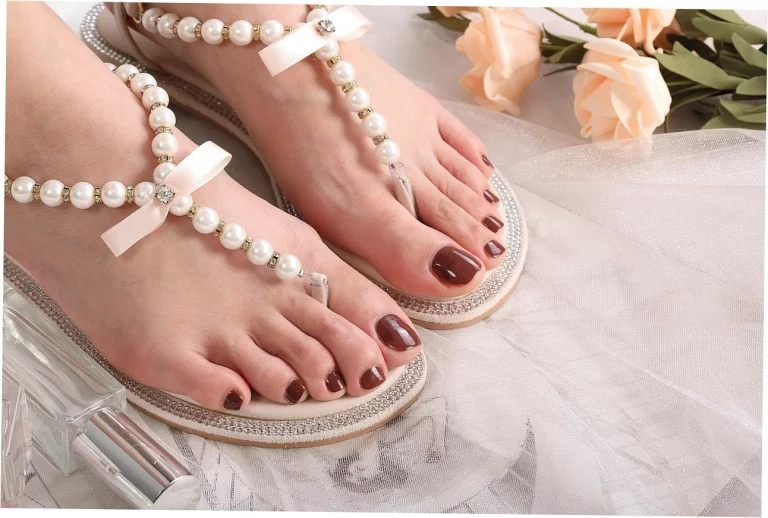
Best Casual Flats for Ladies with Flat Feet?
Honestly, if you’ve got flat feet, trying to find cute, comfy everyday shoes can feel like hunting for a unicorn. You’re after that relaxed, casual flat look, but your arches—or the lack of them—really need some solid support. I’ve totally been there. You scroll for hours online, finally buy a pair that looks perfect, and then your feet are killing you after just one hour of wear. That frustration, plus a ton of trial and error, is what led to this guide. So, we’re going deep into the world of casual flats for ladies with flat feet. We’ll skip the vague claims and find shoes that actually deliver on comfort, style, and the specific support your flat feet require.
Here’s what we’ll cover:
- Why your flat feet need special casual flats
- The best styles of supportive flats for everyday
- How to test and break in your new flats in real life
- Top brands and specific models you should check out
- How to take care of your comfy shoe investment
- Ready to finally give your feet the comfort they deserve?
- Your FAQs on casual footwear for ladies with flat feet
So, why do flat feet really need those special casual flats?
Let’s break down what makes shoes comfy or a total pain.
Here’s the key thing: knowing your foot shape is step one for buying smart. With flat feet—or fallen arches—your whole foot sole hits the ground when you stand. It’s not just about looks; it actually changes the way you walk.
If your everyday flats don’t have good arch support, your feet, ankles, and knees have to overwork. That leads to tiredness, pain, and can even cause long-term problems like plantar fasciitis.
The right pair of women’s shoes for flat feet gives you a solid base. They provide the support you’re missing and help your posture line up naturally.
Here’s my own story: I once thought any shoe with a cushy insole would do. My wake-up call came from a popular pair of ballet flats. I just wore them for some light errands one day.
By that evening, my shins were killing me and my lower back felt all tight. A podiatrist friend later told me the problem. That soft, floppy cushioning let my feet roll inwards even worse, which put a strain on all the connecting tissues.
That taught me a big lesson: there’s a huge difference between something just feeling soft and actually having structured, supportive comfort.
So, what key features should you look for?
Here’s the main deal: you gotta check for these must-have features. Don’t just go by marketing words like \.
Here’s your detailed checklist. First up, find a firm arch support that’s shaped right. This is the most important part. It should give you a gentle lift under the middle of your foot, not just feel like a lump.
Second, make sure it has a deep heel cup. This cups your heel snugly to stop it from rolling in too much (that’s overpronation). Third, go for a wide toe box. Your toes should have room to spread out naturally, not feel squeezed.
Finally, the sole is key. It needs to be flexible but still supportive—it should bend where your foot bends but not twist easily. A removable insole is a big bonus. It lets you use your own custom orthotics if you need them.

Let’s talk about the best supportive flats you can wear every day.
We’ll break down the styles, from loafers to ballet flats.
Here’s the key: you gotta match your style with the right supportive shoe. Not all flats are the same, and some are just better for flat feet.
For a polished look that goes with anything, supportive loafers are a great pick. They’re usually built more sturdy and give your feet more room. Love that classic ballet flat look? Look for ones made for flat feet.
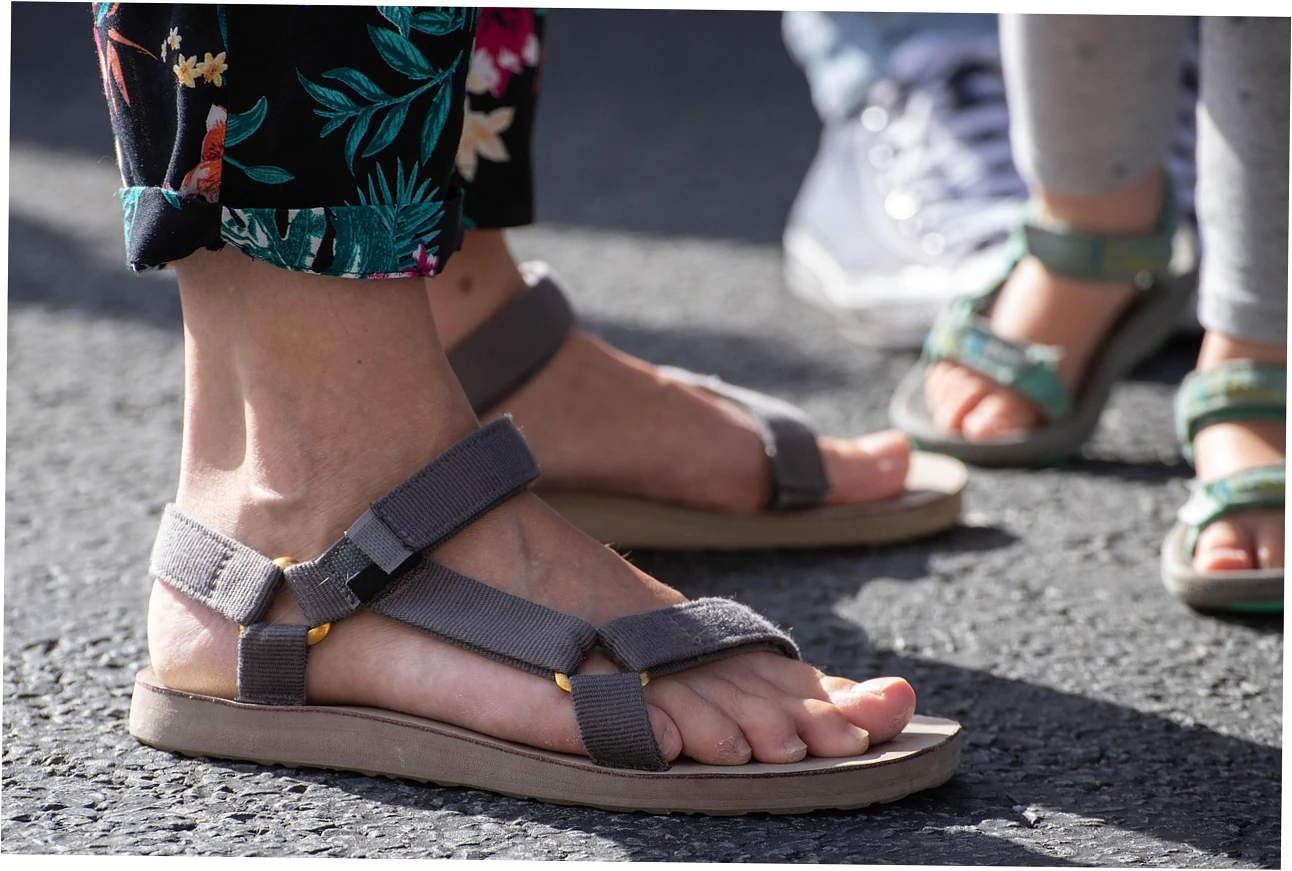
They’ll have hidden arch support and a wider shape. Slip-on sneakers or sneaker-style flats pack sporty comfort into a casual shoe. When it’s warm, go for sandals with good structure, adjustable straps, and built-in arch support. They work indoors and out.
| Style | Best For | Look For This Support Feature | One Thing to Watch Out For |
|---|---|---|---|
| Supportive Loafers | Work or smart-casual outfits | A firm heel and structured top part | Might feel stiff at first and need breaking in |
| Ballet Flats Made for Support | Dresses, skirts, lighter outfits | A shaped footbed and a wide toe area | They might not support your ankles much, and check if the sole grips well |
| Slip-On Sneaker Flats | Running errands or casual weekends | memory foam or EVA cushioning, flexible heel | The style might be too sporty for some places |
| Sandals with Arch Support | Summer, or going between indoors and out | Straps you can adjust, cork or shaped footbed | They don’t cover much, so not for cold days |
So, what actually makes a flat shoe supportive? It’s all about the materials and how it’s built.

It’s more than just the insole. The overall build quality is super important.
The main thing is to look at the whole shoe as one system. A good insole in a bad shoe is like a powerful engine in a weak car frame.
Let’s get into the build. The material on top really matters. Soft leather or stretchy knits will shape to your foot comfortably. Stiff synthetic materials won’t. The midsole does the heavy lifting.
Materials like EVA or PU give you both cushioning and stability. The bottom needs tough rubber with good tread for grip, but it shouldn’t be so hard that your foot can’t bend naturally. Find shoes where the arch support is built right into the midsole, not just stuck on later.

Now, let’s talk about insoles and orthotics.
The idea is to use extra support smartly. Sometimes, even a great shoe could use a boost.
Here’s some practical advice: if you find flats you love but they need more support, a good store-bought insert can make all the difference. Look for inserts that are semi-stiff and made to support flat feet.
But make sure the shoe’s insole can come out and there’s enough space for the insert so your foot isn’t squished. If your flat feet are severe or cause specific pain, custom orthotics from a foot doctor are the best option.
I have a pair of thin, supportive inserts that I switch between my favorite neutral flats. It’s like customizing several pairs of shoes.
Shopping for flats online when you can’t try them on? Here’s how.
How to figure out size charts and reviews.
Your main job is to play detective in the review section. That’s where you find priceless info from other people with flat feet who’ve bought them.
Here’s a good strategy: don’t just go by the brand’s usual size. First, measure your foot in the evening when it’s a bit bigger. Then, carefully check your measurements against the brand’s own size chart in centimeters.
Next, really dig into the reviews. Use the search box in the reviews to look for words like flat feet, arch support, wide fit, and true to size. Focus on the detailed reviews from people with feet like yours.
not just the quick love it! ones. Look for patterns. If a few people with flat feet all say to size up, trust them.
| What to Check | Why It Matters for Flat Feet | Watch Out For This |
|---|---|---|
| A Detailed Size Chart (in cm or inches) | This gets you a more accurate fit than just small/medium/large. | If they only list a standard shoe size like US 8 |
| Customer Photos (side views are great) | These show the real shape, how high the toe area is, and the structure. | If there are only professional model photos |
| Reviews You Can Filter by Foot Type | Helps you find feedback from buyers who need the same things | If you can’t search the reviews at all |
| The Return Exchange Policy | Lets you try them on for fit and support without worry | Restocking fees or final sale on comfort shoes |

Let’s talk about testing and breaking in your new casual flats for flat feet.
First up, try the 30-minute indoor test.
Here’s the golden rule: don’t decide on a new pair of flats until you’ve really tested them indoors. That comfy feeling in the first five minutes? It can totally trick you.
So, when your new flats show up, slip them on with the socks you plan to wear. Then, walk around on a hard floor—think hardwood or tile—for a good half hour. Really pay attention. Check if the sides pinch.
See if your arch feels good or stressed. Notice if your heel slips. Make sure your toes aren’t squished. Look out for any rubbing or hot spots. This little test catches all the fit problems a quick try-on just misses.
I learned this the hard way! I kept a pair that felt fine for five minutes, but after twenty minutes of walking, a seam rubbed my foot raw.
Now, for some smart ways to break them in.
The key idea? Let the shoes get used to your feet, slowly. Don’t force your feet to suffer. If you rush it, you’ll just end up with blisters and regret.
Take it slow. Begin by wearing your supportive flats for just a little while at home. Got a tight spot? Try a shoe stretcher, or the thick sock trick: put on thick socks, gently warm the tight part with a hairdryer, and then wiggle your foot.
If they’re leather flats, use a conditioner to soften them up. Whatever you do, don’t wear brand-new flats all day long right away. Build up to it over a week.
Keep this in mind: good flats for flat feet shouldn’t need much breaking in. If they hurt a lot, that’s probably a bad fit, not something you just have to put up with.
So, which brands and models should you really look at?
Let’s talk about the trusted names for supportive casual flats.
Here’s the main idea: stick with brands that have a real history in foot health. They build the support right into the shoe from the start.
Brands like Vionic, Naot, and Finn Comfort are famous for this. They put footbeds that are great for your feet into shoes that actually look good. Then you’ve got Clarks and Naturalizer. They have tons of women’s comfort flats.
These shoes use tech like Cushion Plus and OrthoLite footbeds to give you really good arch support. Even bigger, more common brands like Skechers and ECCO make special lines just for arch support.
And don’t forget the smaller brands! People in online comfort groups love them because they really focus on how the foot is shaped.
Let me tell you what worked for me. I had a bad experience with ballet flats, so I decided to try Vionic’s classic loafers. The difference was huge, I’m telling you.
The arch support was strong but comfortable, and the leather was soft right out of the box. A friend of mine has the same foot problems. She absolutely loves her Naot sandals. She even wears them with socks as slippers when it gets chilly.
The trick is to check what tech they’re actually using. Look for words like podiatrist-designed, APMA accepted, or pictures that show how the footbed is built.
Let’s talk about keeping your comfy shoes in great shape.
Here are some easy care tips to make your flats last longer and keep supporting your feet.
Here’s the thing: taking good care of your shoes makes them last way longer and keeps them supportive. If you don’t look after them, the parts that support your feet will wear out fast.
My top tip? Rotate at least two pairs of your supportive flats. This gives the cushioning and materials time to bounce back and dry completely, which stops smells and stops them from falling apart.
For leather flats, pop in some shoe trees to help them keep their shape. Clean the tops based on what they’re made of—just a damp cloth for leather, and a bit of gentle soap for fabric ones.
If your flats have removable insoles, take them out now and then to let everything air out and give the inside a quick clean. Try to keep them from getting soaked too much, as water can ruin the glue and the middle part of the sole.
So, how do you know when it’s time to say goodbye to a pair?
The key is spotting the wear and tear that means they’re not supporting you anymore. A worn-out flat can be just as bad for your feet as a brand-new one with no support.
Look for these signs: The biggest one is worn-out soles, especially on the inside of the heel and under the ball of your foot. This can actually change the way you walk. If the arch part feels squashed down or soft, it’s just not working anymore.
Check the back of the heel—if it’s gone all soft and doesn’t cup your heel snugly, that’s your cue. As a rough guide, even really good everyday flats you wear a lot might need replacing every year to year and a half.
Here’s a simple trick I use: I write the date I bought them inside the shoe with a permanent marker. It stops me from wearing them way past their best just out of habit.
| Sign | What to Look For | Why It’s a Problem |
|---|---|---|
| Worn-out Soles | Look for smooth, bald patches, especially on the inside heel or under the ball of your foot. | This makes you less stable and changes how your foot hits the ground. |
| Squashed Midsole or Arch | You can see it’s flattened, and it’s lost its springiness and lift. | It just doesn’t give your arch the support it needs. |
| Soft Heel Back | The back feels soft and doesn’t hold your heel in place. | This can let your foot roll in too much and makes you less steady. |
| Stretched or Torn Top | The material is all stretched out, or you might even see little holes. | It won’t keep your foot firmly on the insole anymore. |
Finding the perfect casual flat footwear for ladies doesn’t mean you have to choose between style and comfort. It’s all about finding those brands and designs that nail both. Just focus on good arch support, solid construction, and shop smart.
You’ll end up with a collection of everyday flats that look amazing and feel fantastic. Your feet are everything. Putting a little investment into supporting them really pays off—you’ll have more energy all day and your feet will thank you for years to come.
Hey, ready to finally get your feet the comfy support they’ve been needing?
Drop a comment below and tell us about your search for the perfect supportive flat shoes for women.
or share your go-to brand find! Want more info? We’ve got a full breakdown of the top 5 podiatrist-approved flat shoe styles for this season.
Got questions about casual flat foot shoes for women? Here are some answers.
So, you’re wondering if regular ballet flats work for flat feet?
Honestly, it’s not a great idea to wear them all day. The problem is, most regular ballet flats are super flat and flimsy. They give your arches no support at all.
This can make your feet roll inward more, which might cause pain in your feet, ankles, or even knees. Instead, look for ballet flats made for comfort. Go for ones with built-in arch support, a shaped footbed, and a roomier toe area from brands that focus on comfy shoes.
What’s the number one thing to check for in flats when you have flat feet?
Hands down, it’s good, firm arch support that’s shaped to your foot. This support needs to be built right into the shoe’s middle layer, not just a squishy insert you can pull out.
It lifts and holds up the middle of your foot, stopping it from flattening inwards. This helps line up your ankles and knees right, which keeps you comfy and helps avoid injuries.
What about slip-on sneakers for casual wear with flat feet?
Absolutely! A lot of slip-on sneakers are great. They often use the same comfy tech as regular sneakers, like memory foam or arch-shaped EVA soles. Just make sure to pick ones with a snug heel cup and a sole that’s both supportive and bends easily.
They’re a perfect casual pick, mixing sneaker comfort with everyday looks. But always double-check the reviews to see how good the arch support really is.
Shopping online for flat shoes? How can you tell if they have enough arch support?
First, read the product details carefully. Look for words like contoured footbed, designed by podiatrists, or APMA Accepted. Next, check out customer photos, especially side shots, to get a look at the shape of the insole.
The most important step is to dive into the reviews. Use the search bar in the reviews to find comments from other folks with flat feet or who talk about arch support. Reviews that go into detail about how the support actually feels are your goldmine of information.