Zero-Drop Shoes: Good or Bad for Flat Feet?
If you have flat feet or fallen arches, picking the right shoes is tricky. You’re always trying to balance good support with natural movement. The talk about minimalist, zero-drop shoes gets really heated among flat-footed folks. These are the shoes where your heel and toe are on the same level. Fans say these shoes help you walk more naturally and build up your foot muscles. But critics point out the risk of strain because they don’t have built-in arch support. So, let’s dive into the specific pros and cons of zero-drop shoes for flat feet. We’ll look at how they affect your body mechanics, what the experts say, and real people’s stories. This should help you decide what’s best for you.
Here’s what we’ll cover:
- First, we’ll get the basics down: what flat feet are and how zero-drop shoes work.
- Next up, the good stuff: the potential benefits of zero-drop shoes for flat feet.
- Then, we’ll talk about the downsides and risks for flat feet.
- If you want to try them, we’ve got tips for switching over safely and slowly.
- We’ll also help you figure out how to pick the right pair of zero-drop shoes.
- You’ll hear from people who’ve actually worn them and what happened in the long run.
- Finally, we’ll answer some common questions about zero-drop shoes and flat feet.
Let’s get into flat feet and how zero-drop shoes work.
First, what’s going on with flat feet?
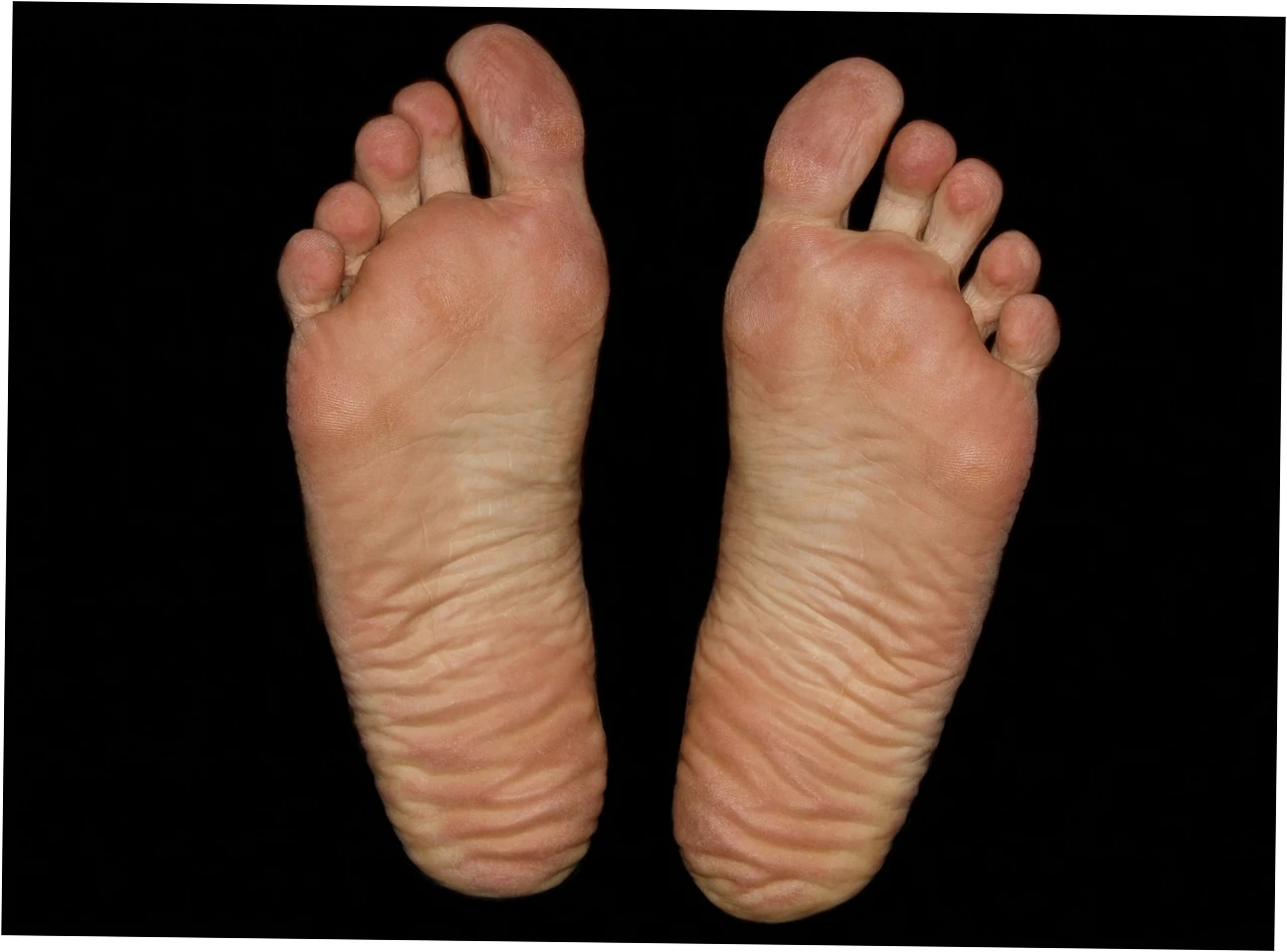
Basically, flat feet mean your foot’s arch has fallen. This often causes your ankle to roll inward when you walk or run, which is called overpronation. That change in how your foot moves puts extra stress on your ankles, knees, and hips.
Regular supportive shoes try to control that rolling with built-in arches and stiff heel parts. On the other hand, zero-drop shoes let your foot hit the ground more naturally, like we used to walk. This might help your foot muscles work harder.
But if you have flat feet, switching to zero-drop shoes suddenly changes how your foot carries weight. You really need to think about that and take it slow.
So, what exactly are zero-drop shoes?
Here’s the key thing: zero-drop just means your heel and toes are at the same height. It doesn’t tell you how cushioned or flexible the shoe is. So a shoe can be zero-drop but still have lots of padding and a stiff top part.
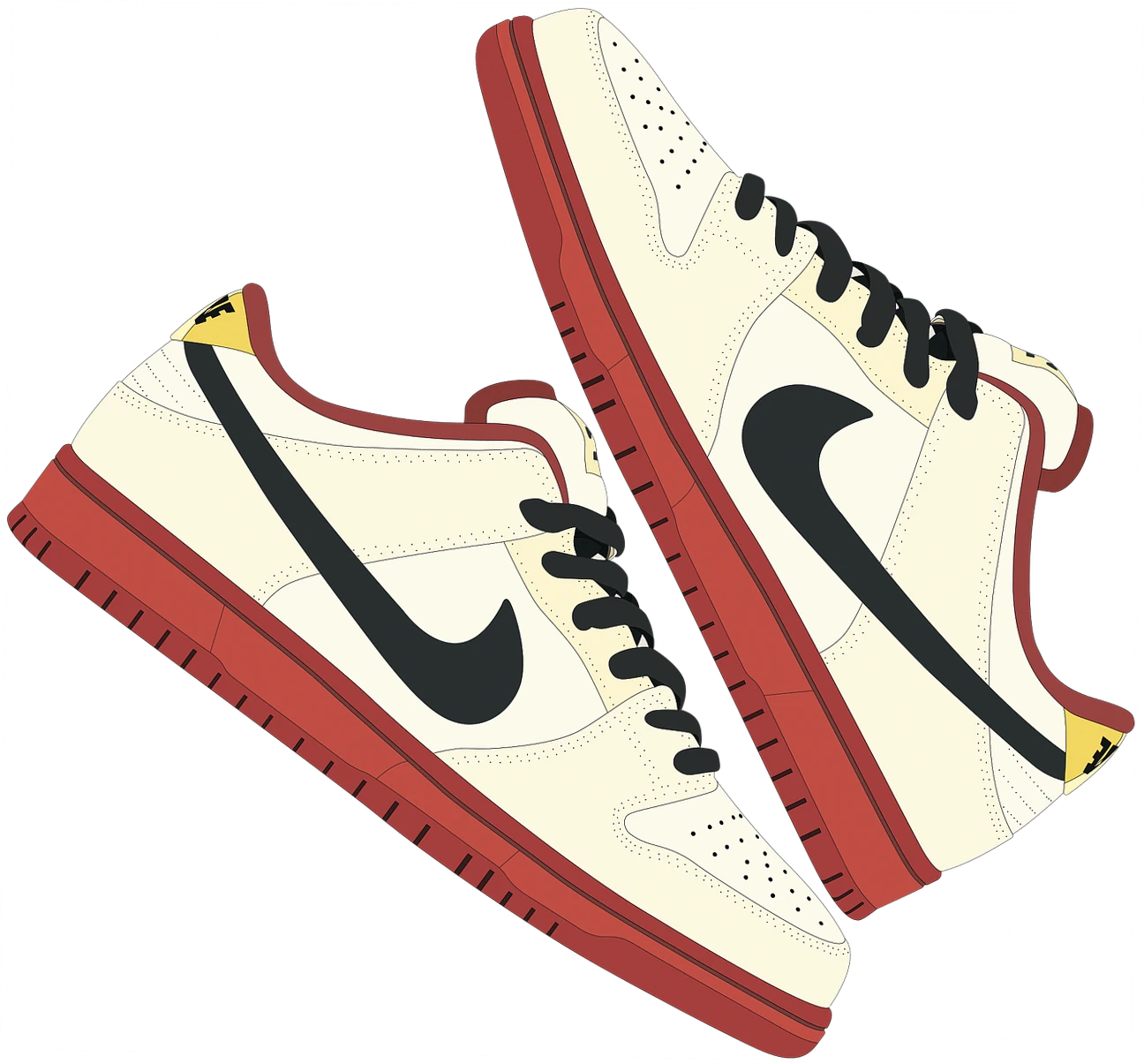
That difference is super important for people with flat feet who are looking at zero-drop shoes. Take Altra, for example. They’re famous for their wide toe boxes and zero-drop design. Vivobarefoot goes even more minimal with super thin soles.
Knowing this range helps you pick the right shoe for your needs—whether you want something to ease into it or go full-on minimalist right away.
Pros of Zero-Drop Shoes for Flat Feet
Promoting Natural Foot Function and Strength
So, the main perk of zero-drop shoes? They can really help build up the muscles in your feet. They ditch the raised heel and usually have less padding. This makes all those little muscles in your feet and calves work overtime to keep you steady.
Over time, this might actually help some folks with flat feet develop a stronger arch. Back in 2013, a study in the British Journal of Sports Medicine found that walking in minimalist shoes can bulk up foot muscles and make arches stiffer.
The idea is, this kind of built-in strength could be a more lasting solution than relying on inserts or orthotics from the outside.
Improving Gait and Posture Alignment
Here’s another biomechanical plus: zero-drop shoes help you land more naturally on your midfoot or forefoot. You won’t be slamming your heel down like you might in regular running shoes.
That change in your stride cuts down on the shock that travels up your legs. If you have flat feet, this could ease some of the extra stress on your knees and hips that comes from overpronation.
And because there’s no heel lift throwing you off balance, the flat platform helps you stand up straighter. Lots of people who wear them say they feel more balanced and aware of where their feet are—that’s proprioception.
Let’s talk about the downsides and risks of zero-drop shoes if you have flat feet.
First up, there’s a real chance of more strain and getting hurt.
The biggest worry? You could easily get an overuse injury if you switch to zero-drop shoes too fast. See, if you’ve had flat feet for years and always worn supportive shoes, your foot muscles and tendons.
like that posterior tibial one, are probably pretty weak. Jumping straight into zero-drop shoes with little cushion puts way too much stress on them. That’s a fast track to problems like plantar fasciitis, Achilles pain, or shin splints.
A 2016 study in Sports Health was clear: you gotta take it super slow. We’re talking a transition over several months so your body has time to adjust safely.
Another thing is, you won’t get that instant support and comfort.
Here’s the practical issue: if your flat feet already bother you, zero-drop shoes might feel bad or even hurt right away. They don’t have the arch support or motion control you might be used to, which is tough during long walks or standing all day.
They’re not like stability shoes made for overpronation. Most minimalist shoes won’t fix your foot’s position at all. So when you’re first getting used to them.
you might feel more tired and your existing arch, heel, or ankle pain could get worse. Check out this quick comparison of the main features:
| What’s Different | Traditional Stability Shoes | Zero-Drop Minimalist Shoes |
|---|---|---|
| Heel Height | They have an 8-12 mm heel. | The heel is flat, 0 mm. |
| Arch Support | Built-in and structured, sometimes with extra support on the inside. | Very little or none at all. |
| Main Purpose | To control your foot’s movement and give you cushioning. | To encourage natural movement and help strengthen your feet. |
| Best Used For | Getting quick pain relief and doing high-impact activities. | Slowly building foot strength and low-impact activities. |
Let’s talk about making the switch to zero-drop shoes, especially if you have flat feet. You gotta take it slow and safe.
Here’s a step-by-step plan to get your feet used to them.
The key thing is this: think about time, not distance. Don’t rush it. In the first week, just wear your zero-drop shoes for short walks, maybe 20 to 30 minutes a day. Also, try walking around barefoot at home.
It’s a great way to start strengthening those flat feet. At the same time, do some simple foot exercises. Try toe curls, picking up marbles with your toes, or practicing a short foot exercise—that’s where you lift your arch without curling your toes.
Each week, you can wear them a bit longer, but only increase the time by about 10 to 15 percent. Really pay attention to what your body tells you. If you feel any sharp pain, that’s your cue to stop and take a break.
This whole adaptation process for your flat feet could take four to six months before you’re ready to run or go on long hikes in zero-drop shoes.
Don’t forget about exercises and taking care of your feet too.
To make the transition work, especially for flat feet, you need to do more than just wear the shoes. Work on strengthening your whole backside—your calves, glutes, and core. This gives you better stability, which is a big pro for flat feet.
Calf raises are super important. Do them with straight legs and with bent knees to keep your Achilles tendon healthy. If the bottom of your foot feels sore, roll it out regularly with a frozen water bottle or a lacrosse ball.
It really helps. It might be a good idea to see a physical therapist who knows about running or biomechanics. They can check how you walk and make a plan just for you and your flat feet.
They can also figure out if you might need special inserts for a while, even in a zero-drop shoe with a wide toe box, while you’re getting used to them.
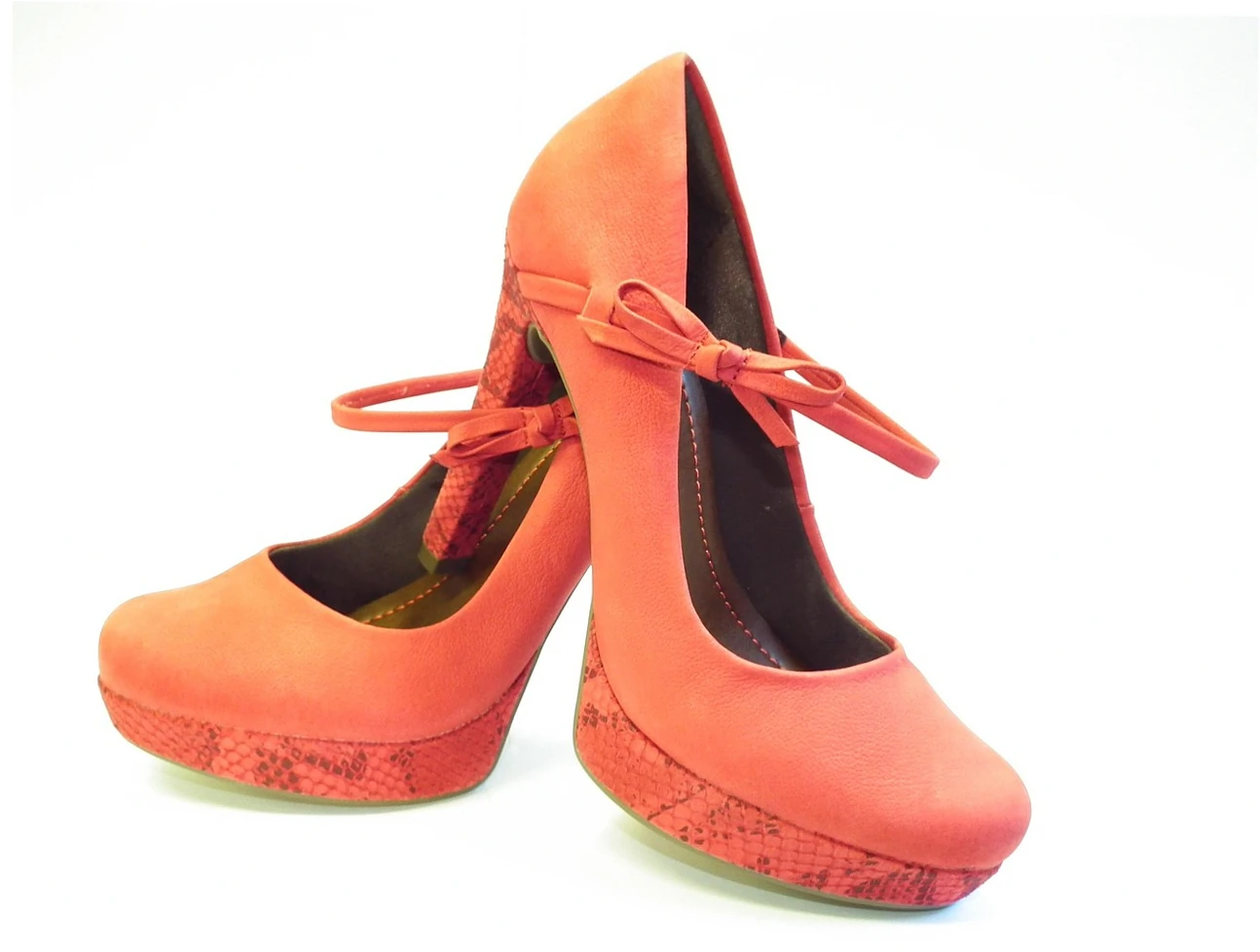
Picking the right zero-drop shoe model for you.
Main Features for Flat-Footed Beginners
Here’s a shopping tip: if you have flat feet, not every zero-drop shoe will work the same. If you’re just starting out, go for shoes with a wider toe box. Brands like Altra with their FootShape or Topo Athletic designs are great for this.
They let your toes spread out naturally, and that really helps with stability. For your first pair, get one with moderate cushioning. It gives you a bit of protection while your body gets used to the zero-drop feel.
You want a flexible sole so your foot can move naturally. Just steer clear of shoes that feel too flimsy or floppy. A secure heel counter is good too. It offers some initial stability but doesn’t take away from the benefits of zero-drop shoes.
Good brands usually have solid return policies. Altra gives you a 30-day trial, and REI members get a whole year to return stuff. This is super important so you can really test if the shoes are comfortable for your flat feet.
Top Recommended Shoe Models and Brand Policies
Let’s compare some models. Based on what other users and foot doctors say, a few shoes keep coming up as good starting points. Take the Altra Provision or Paradigm.
They give you that zero-drop platform, plus a bit of extra support if you overpronate, along with decent cushioning. The Topo Athletic Ultrafly fits snugly but still has plenty of room in the toe box.
If you want something more minimalist, check out the Vivobarefoot Primus Lite III. Its sole is really thin and flexible. Before you buy, always look at the warranty and return policy. Warranties usually cover defects for 3 to 12 months.
Lots of running stores and online shops have good trial periods for shoes. You can wear them indoors to make sure they’re the right fit for your flat feet before you’re stuck with them.
| Shoe Model | Main Feature | Cushioning | Best Suited For |
|---|---|---|---|
| Altra Provision 7 | Has a guided support platform | Moderate cushioning cushioning | Good for runners who need a bit of stability |
| Topo Athletic Ultrafly 4 | Comes in a 5mm drop option, has a roomy toe box | Moderate cushioning cushioning | Great for walkers and runners looking for comfort |
| Altra Paradigm 7 | Offers max cushioning with balanced support | High cushioning | High cushioning-impact activities, maximum comfort |
| Vivobarefoot Primus Lite III | A true minimalist shoe, ultra-flexible | Very low cushioning | Best for advanced users or daily foot strengthening |
Let’s talk about what really happens over time with zero-drop shoes.
First, some good news from people who’ve tried them.
Take Mark, for example. He’s a runner with flat feet who always had knee pain. He switched to zero-drop shoes, but it took him a good eight months. He says the first month was rough. His calves got super sore.
But he stuck with it. He started with short walks and did foot exercises every day. Slowly, his feet got used to it. Now, two years later, his arch isn’t exactly high, but his feet feel much stronger. The best part?
His knee pain is pretty much gone. He still wears his old supportive shoes for really long runs. But for everyday stuff, he’s all about zero-drop now. Stories like Mark’s show zero-drop shoes can help. But they also prove you need patience and a good plan. Don’t expect a miracle overnight.
Now, zero-drop shoes aren’t for everyone.
Here’s the thing: zero-drop or minimalist shoes won’t fix every flat foot problem. If you have rigid flat feet—meaning your arch is stiff and doesn’t move much—or serious issues like PTTD or bad arthritis.
these shoes might actually make your pain worse. In those cases, the best bet is usually custom orthotics inside a supportive shoe. So, before you make any switch, it’s really important to see a foot doctor or sports med specialist.
Get a proper diagnosis first. They can watch how you walk and give you the best shoe advice. That might mean using different shoes—some supportive, some minimalist—for different things you do.
So, to wrap it up, zero-drop shoes for flat feet are a bit of a mixed bag. They can be great, but they have downsides too. They can really help you build stronger feet and move better. But if you jump in too fast, you could get hurt.
To make it work, you gotta go slow, do your foot exercises, and pick the right pair of shoes. For some people, they’re a game-changer. For others with certain foot problems, they’re just not the right fit. The trick is to know your stuff and take your time trying them out.
Have you given zero-drop shoes a shot for your flat feet? Tell us how it went or what was toughest for you in the comments! If you want more on foot-strengthening exercises, we’ve got a whole guide on building arches for runners.
Alright, let’s talk about zero-drop shoes and flat feet.
So, can zero-drop shoes actually fix flat feet?
Honestly, they can’t fix or change the actual bone structure of true flat feet. But if you have flexible flat feet—you know, where an arch shows up when you’re sitting—these shoes might help. They can strengthen the muscles and tendons in your foot.
This could lead to a stronger, more supported arch when you’re moving around. The main goal here is better function and less pain, not necessarily making your arch look higher.
How long does it take to get used to zero-drop shoes if you have flat feet?
It really depends on the person, but if you have flat feet, it usually takes way longer. We’re talking maybe 4 to 8 months to fully adapt for sports. Start super slow. Just walk in them for 20 to 30 minutes a day.
Then, each week, only add about 10-15% more time. Trying to go too fast is how most people get hurt—things like plantar fasciitis or Achilles pain.
Are some zero-drop brands better if your feet roll in (overpronate)?
Yep, there are. Take Altra, for example. They make shoes with features like Guided Support. These keep the zero-drop feel but add a bit of stability, like a firmer cushion on the inside edge of the shoe.
Their Provision and Paradigm lines are good examples of this. If you’re worried about overpronation, starting with shoes like these is often smarter than jumping straight into a super minimal, neutral shoe.
What about wearing my orthotics with zero-drop shoes?
That really depends on what you’re trying to do and your specific feet. If you need orthotics to manage pain, definitely check with your podiatrist first.
They might tell you to keep using your orthotics at first, especially in a zero-drop shoe that has a removable insole and plenty of room for your toes. A lot of people hope to eventually need less support, but you should only try that with a pro’s help.