Flat Feet Runners: Need Special Shoes vs Neutral?
I’ve run countless miles in both neutral and stability shoes. Let me tell you, I learned the hard way. Picking the wrong running shoes can totally ruin your run. A joyful jog can quickly turn into a painful slog. The whole flat feet shoes vs. neutral shoes debate? It’s not just some marketing hype. It’s a real, fundamental question. It’s all about your biomechanics and how to prevent running injuries. Got low arches or do you overpronate? Then you really need to understand the key differences. Things like arch support, motion control, and midsole design are super important for you. This guide is here to cut through all that confusion. We’ll put stability shoes for Flat feet and neutral cushioned shoes head-to-head. That way, you can make a smart choice. A choice that supports your unique foot structure and keeps you running strong.
Table of Content
- First up, let’s define the different foot types and what they actually need.
- Next, we’ll break down the anatomy of a stability shoe, you know, the kind made for flat feet.
- Then, we’ll look at how a neutral cushioned shoe is designed.
- After that, we’ll do a direct comparison and talk about the main factors to help you decide.
- I’ll also give you some top shoe recommendations and handy fitting tips.
- Finally, we’ll wrap it all up with a conclusion and my final verdict.
- And I’ll leave you with a clear, actionable next step.
- We’ll finish with answers to some frequently asked questions.
Defining the Foot Types and Their Needs
What Are Flat Feet and Neutral Arches?
Here’s the basic idea: a foot with a neutral arch—what you’d call a normal foot—shows a clear curve on its inner side. This shape is great because it naturally soaks up impact and spreads your weight evenly when you walk or run.
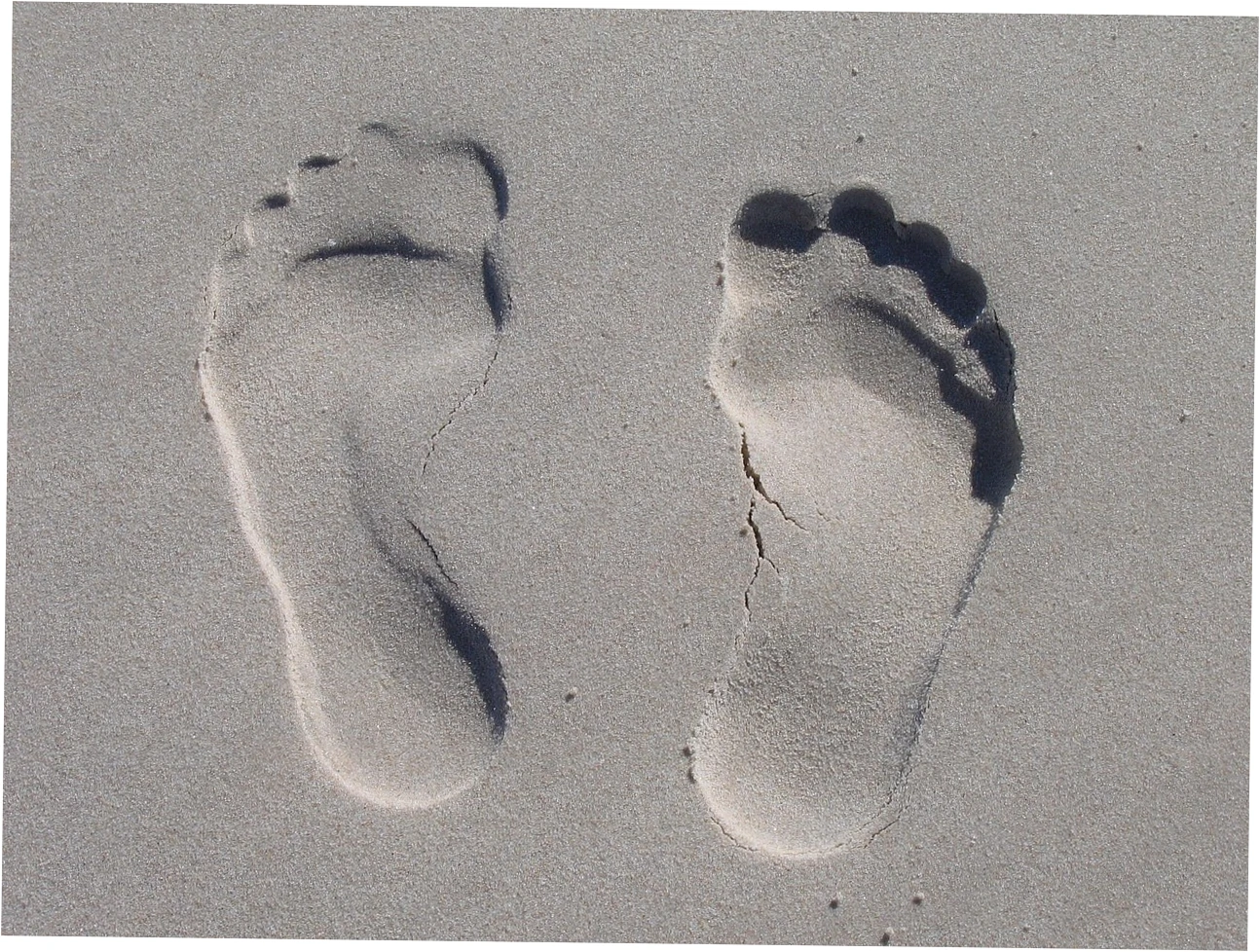
Flat feet, on the other hand, are different. The arch is collapsed or really low, so your whole foot sole touches the ground. It’s not just how they look. This actually changes the way force moves up through your leg.
I’ll never forget my first running clinic. Seeing my flat footprint on the pressure pad was a real eye-opener. It finally explained why I kept getting those stubborn shin splints.
So, what’s the big mechanical difference? It all comes down to pronation. With neutral feet, your ankle rolls inward a bit in a controlled way when your foot hits the ground. That’s your body’s natural way of cushioning the blow.
But with flat feet, you often get overpronation. That means the ankle rolls inward way too much. A 2018 research review pointed out that this extra motion is a major reason runners get hurt.
We’re talking about common problems like plantar fasciitis, posterior tibial tendonitis, and runner’s knee. That’s why picking the right running shoe is your best first move to avoid these injuries.
Let’s break down what makes a stability shoe for flat feet.
Here’s the lowdown on the key support features.
First up, arch support and motion control. Stability running shoes are built with special tech to fight overpronation. The star of the show is the medial post. It’s a chunk of denser foam on the inside of the midsole.
Think of it like a gentle brake that slows your foot’s inward roll. Plus, you’ll usually find built-in arch support in the sockliner and a snug heel counter that cradles your foot. It’s basically a built-in orthotic.
I remember switching to a stability shoe. Right away, I felt the difference. My foot was guided through each step instead of collapsing inward, which was a huge relief.
Now, let’s talk design and materials. Besides the medial post, stability shoes use dual-density midsoles. Picture this: firmer, often gray foam on the inside near your arch, and softer, lighter foam on the outside.
This setup gives flat feet the exact support they need. The whole shoe is more structured too, with a wider base for better stability. Big brands like Brooks, ASICS, and Saucony all have their own systems—GuideRails, Dynamic DuoMax, TPU frames.
The names differ, but they’re all after the same thing: getting your foot into a more neutral alignment from the moment it lands until it pushes off.

Let’s talk about how neutral cushioned shoes are designed.
They really focus on two things: flexibility and cushioning.
Neutral running shoes are made for folks whose feet move efficiently and don’t need extra support. They give you uniform cushioning and flexibility. The midsole is usually one type of foam, think Nike’s ZoomX or Adidas’s Lightstrike Pro.
This gives you the same cushioning all over. The goal is a shoe that’s light, flexible, and gives you energy back. It lets your foot move the way it wants to. So if you’re a neutral runner, you get to move freely and the shoe might feel really snappy.
I personally use neutral shoes on my fast run days. I love that snappy feel—my stability shoes just don’t have it.
So who are these neutral shoes best for? Runners with neutral arches or people whose feet roll outward, which is called supination. Racers often pick them too, because they’re super light and aim for top performance. Here’s a quick look at how the design goals differ:
| What’s Different | Neutral Running Shoes | Stability Running Shoes |
|---|---|---|
| Midsole Feel | Same soft foam everywhere for cushioning. | Two types of foam, firmer on the inner side for motion control. |
| Main Job | To be flexible and give energy back. | To control foot motion and keep things aligned. |
| Best For Runners Who… | Have a neutral gait or supinate (roll out). | Overpronate or have flat feet. |
Direct Comparison and Decision Factors
Side-by-Side Analysis
Let’s break down the features and put them head-to-head. The biggest difference you’ll find is in the midsole. Stability shoes use dual-density foam and a medial post for structure.
This makes them heavier, usually by half an ounce to an ounce and a half, compared to neutral shoes. The heel-to-toe drop can be different too. Stability shoes often have a bit more drop, which helps with stability.
Flexibility is another biggie. You can twist a neutral shoe easily, but a stability shoe fights that twist, especially in the middle of the foot. It’s not about one being better. It’s about picking the right tool for your specific running needs.
From my own experience, I have flat feet. I made the mistake of wearing minimalist, neutral shoes, and it was a disaster—I ended up with a stress reaction. On the flip side, friends of mine with neutral feet have tried stability shoes.
They complained about feeling pushed to the outside of their foot, which just felt wrong. Picking the wrong shoe can really mess up your run. A 2021 study even showed that wearing the right shoes for your foot type can cut your injury risk by 20%. That shows how important this choice is.

How to Choose for Your Feet
So, how do you figure it out? Don’t just guess. Get a proper diagnosis. You can start with the classic wet test. Just wet your foot and step on a dry paper bag to see your arch print.
For the best answer, go to a specialty running store for a professional gait analysis. They’ll have you run on a treadmill, maybe even filming you in slow motion, to check how your foot rolls—that’s your pronation.
I learned more from one 15-minute session there than from years of searching online. Bring your old running shoes too. The wear patterns on the bottom tell the whole story of how you run.
But it’s not just about your arch type. There’s more to consider. Think about your weight—heavier runners often need more support. Also, consider how much you run each week, where you run, and if you have any old injuries.
So, someone who overpronates just a little, runs short distances on soft trails, might be okay with a moderate stability shoe or even a supportive neutral one. But a runner with severe overpronation training for a road marathon? They’ll probably need a serious motion control shoe.
Top Shoe Recommendations and Fitting Tips
Model Examples for Each Category
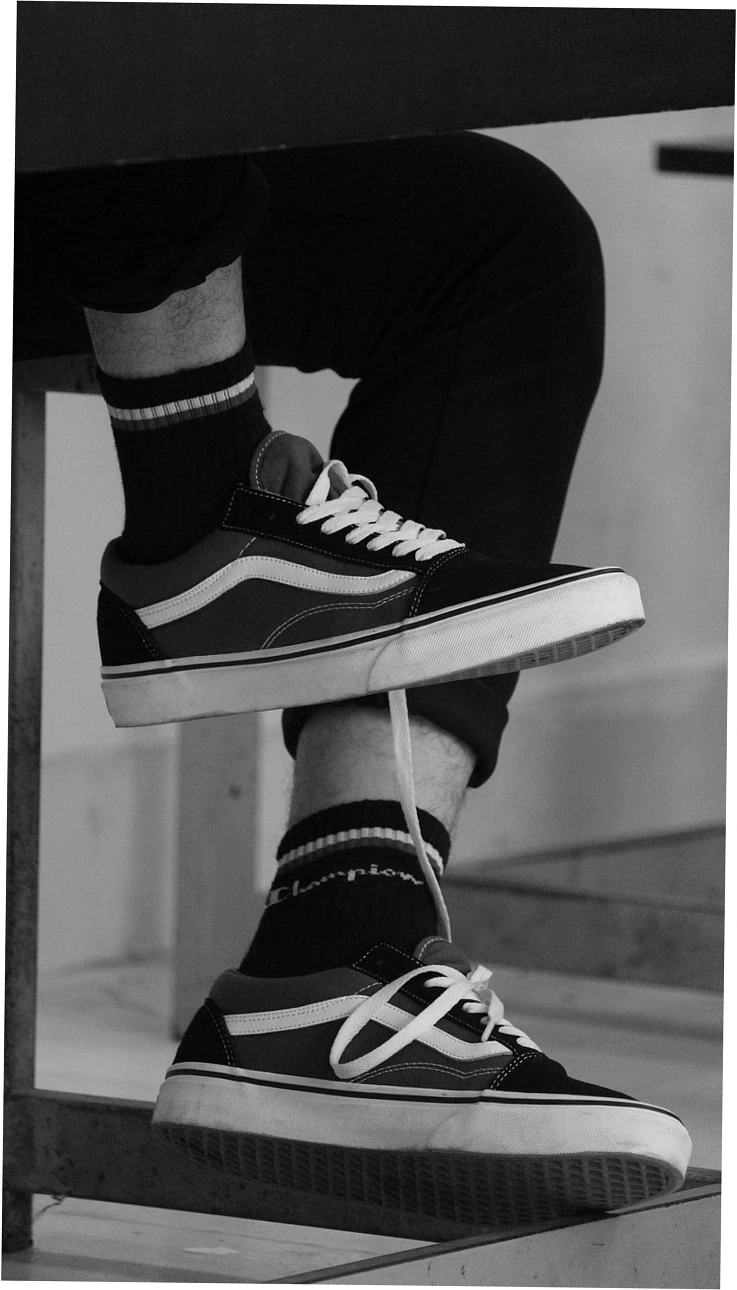
Looking for stability shoes for flat feet? A few top picks always come up. The Brooks Adrenaline GTS is a classic—it gives you balanced support with those GuideRails. Then there’s the ASICS GT-2000, awesome for daily runs thanks to its DuoMax system.
Don’t forget the Saucony Guide, it’s super comfy and keeps your foot secure. If you need the strongest motion control for your flat feet, check out the Brooks Beast or Glycerin GTS. The ASICS Gel-Kayano is another great option—they all give you that top-tier, structured support.
Now, for neutral shoes—these are perfect if you have normal or high arches. You’ve got the Brooks Ghost, which is super plush and cushioned. The Nike Pegasus is a real workhorse, super versatile. And the Hoka Clifton?
That’s your go-to for maximum cushioning and that rocker feel. Just remember, neutral shoes don’t have that medial post. So if you overpronate, they’re probably not the right fit for you.
The Essential Fitting Process
First things first: your running shoe size isn’t always the same as your regular shoe size. Don’t just assume! Always try on shoes later in the day. That’s when your feet are a bit swollen, like they get after a run.
Make sure there’s about a thumb’s width of space—half an inch or so—between your longest toe and the shoe’s end. The width needs to feel snug, not tight. No pinching on the arch or the ball of your foot.
And your heel should be locked in nice and secure, no slipping around. A good salesperson at a running store can walk you through all this fitting stuff.
Don’t just decide based on a quick jog around the store. You need a proper break-in period. Most good running shoes from trusted brands should feel pretty good right away. Take them out for a few short runs to really test them.
Keep an eye out for any hot spots, arch pain, or if it feels like the shoe is forcing your stride into something weird. The right running shoe—whether it’s for flat feet or a neutral runner—should feel supportive and comfy. It shouldn’t feel like it’s fighting you every step of the way.

Conclusion and Final Verdict
Picking between running shoes for flat feet and neutral shoes isn’t about what’s trendy or what you like. For a lot of runners, it’s a physical need.
Got flat feet or overpronation? Then getting a good stability shoe is a must-do. It’s key for staying comfortable and avoiding injuries on your runs. But if you’re a neutral runner, you’re better off with shoes made for your efficient stride.
Go for the ones that offer flexibility and responsive cushioning. The perfect shoe won’t alter your natural running style. Instead, it’ll give your gait the best possible support, run after run.

Actionable Call to Action (CTA)
Ever had that aha! moment when you finally switched to the right running shoes? Drop your story in the comments!
Your tip might just help another runner snag their perfect pair of shoes. Want to really get into it? Peek at our full guide on reading your gait analysis. You’ll learn all about your own stride.

Here are some common questions people ask.
So, you’re wondering if you can wear neutral running shoes with flat feet?
Honestly, it’s usually not a great idea. The thing is, neutral shoes don’t have the arch support or that extra reinforcement on the inside that helps control overpronation—that’s the excessive inward roll that often comes with flat feet.
If you wear them, you might end up putting more stress on your knees, shins, and the bottom of your feet, which ups your chances of getting hurt. Now, if your overpronation is super mild.
a neutral shoe with a bit more built-in arch support might do the trick. But for serious flat feet, you really need to look at proper stability or motion control running shoes.
How can you tell if you overpronate?
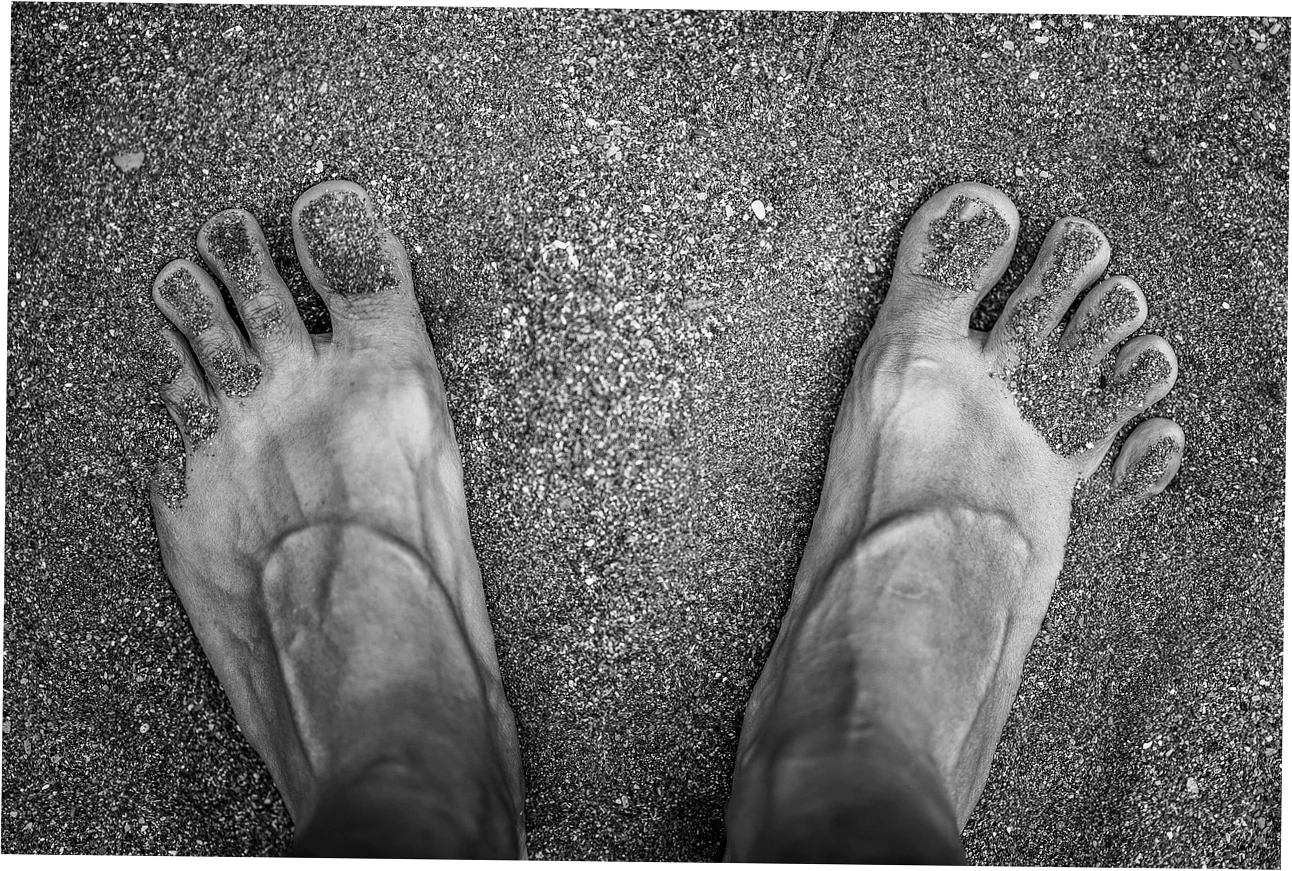
The best way is to get a professional gait analysis done at a good running store. You can also check your old shoes. If you see a lot of wear on the inner edge of the heel and the ball of the foot, that’s a pretty clear sign.
That classic wet foot test—where you step on a dry surface—can hint at a low arch, and that’s often connected to overpronation. But keep in mind, watching how your foot moves while you run is way more accurate than just looking at a static footprint.
Are stability running shoes heavier than neutral ones?
Usually, yeah, they are a bit. That’s because of the extra supportive stuff they put in, like firmer foam on the inside and those supportive posts, which adds a little weight.
We’re talking maybe half an ounce to an ounce and a half heavier—that’s about 15 to 40 grams—for similar shoes from the same brand. But with newer, lighter foams, the gap is getting smaller.
And for someone who overpronates, the benefit to your stride is much more important than that tiny bit of extra weight.
Can the perfect running shoes actually fix flat feet?
No, they can’t. Running shoes won’t change the actual bone structure of your foot for good. Flat feet are just how your feet are built. What the right stability shoes can do is *manage* it really well.
They give you the support and alignment you need when you’re active, which helps prevent the pain and injuries that overpronation can cause. So think of them as a helpful tool for your run, not a magic cure.