Why Do My Arches Ache and Appear Flat?
It’s pretty worrying when you keep feeling pain in your arches and notice your feet looking flatter. This foot problem usually happens because of posterior tibial tendon dysfunction, which means your main arch-supporting tendon gets weak. Dr. Jane Andersen, a fellow of the American College of Foot and Ankle Surgeons, states, When patients report arch pain and a collapsing arch, it’s frequently adult-acquired flatfoot. There’s an important time frame for treatment – when your flatfoot goes from being flexible to becoming stiff. To really help your sore feet feel better, you first need to figure out what’s causing the problem – whether it’s how you walk or some inflammation going on.
Table of Content
- Defining Arch Pain and Flatfoot Appearance
- Primary Causes of Painful, Falling Arches
- Risk Factors and Aggravating Activities
- Diagnostic Procedures and Professional Evaluation
- Conservative Treatment and Management Strategies
- Surgical Options for Severe Cases
- Long-Term Prognosis and Preventive Care
- FAQ About why do my arches hurt and look flat
Defining Arch Pain and Flatfoot Appearance
Anatomy of the Foot Arch
Here’s the main idea: your foot’s arch is actually pretty complex, made up of bones, ligaments, and tendons all working together. There’s one tendon that’s really important for keeping your arch stable – it runs from your calf down the inside of your ankle and connects to your arch bones. When that tendon gets inflamed, stretched out, or torn, it can’t hold up your arch properly anymore. That’s why your arches hurt and start looking flat. This messes up how your whole foot works, and you might start feeling pain in other spots too – like your heel, ankle, or even your knee.
Flexible vs. Rigid Flatfoot
Here’s an important difference you need to know about: there are two types of flat feet, and which one you have really affects how you treat it. With flexible flatfoot, you can see your arch when you’re sitting down.
but it flattens out when you stand up. This means your foot joints still move normally. But with rigid flatfoot, your arch stays flat no matter what position you’re in.
This usually means you’ve got arthritis or bones that have fused together, so you’ll need stronger treatment. Here’s an easy way to check at home: try standing on your tiptoes.
If you see an arch appear, you probably have the flexible kind. That’s actually the more common type, and things like shoe inserts usually help a lot.
So why do your arches hurt and look flat?
The main culprit is something called Posterior Tibial Tendon Dysfunction, or PTTD for short.
PTTD is actually the number one reason adults develop flat feet. What happens is your posterior tibial tendon gradually gives out, so it can’t hold up your arch anymore.
Then everything starts to change – your arch drops, your heel might tilt outward, and your forefoot could swing away from your body. You’re more likely to get this if you have high blood pressure, diabetes.
carry extra weight, or had previous injuries or steroid shots. At first, you’ll notice pain and swelling around your inner ankle and arch that gets worse when you’re on your feet.
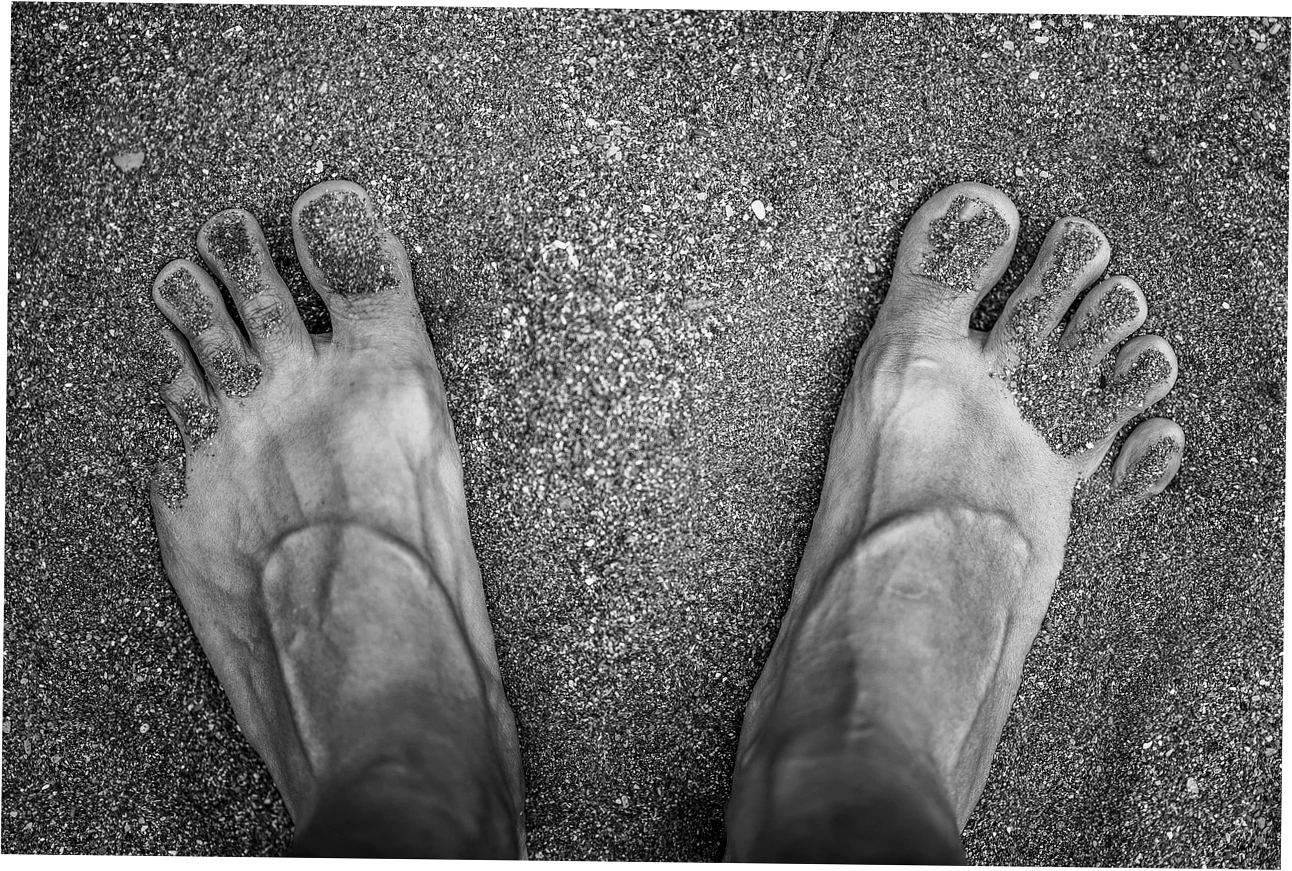
But there are other things that can cause similar problems.
Even though PTTD is the usual suspect, other conditions can give you the same kind of pain. Take Tarsal Tunnel Syndrome – it’s like carpal tunnel but in your foot, and it gives you that burning sensation in your arches.
Then there’s inflammatory arthritis, such as rheumatoid arthritis, which can break down the joints that support your arch. Even a Lisfranc injury – that’s a midfoot break or sprain – or just having tight calf muscles can change how you walk. This puts extra pressure on your arch, making it collapse and hurt over time.
Risk Factors and Aggravating Activities
Daily habits and How your feet move Risks
Let’s figure out what makes your arches more likely to collapse. Standing too long on hard floors, gaining weight quickly, or doing high-impact sports like running and basketball can really cause problems.
If your feet roll inward too much (that’s called overpronation), it puts constant strain on that important tibial tendon. Here’s a quick breakdown of the main risk factors:
| Type | What causes it | How it affects your arch |
|---|---|---|
| How your feet move | Feet rolling inward, tight Achilles | Puts extra stress on the tissues holding up your arch |
| Daily habits | Being overweight, standing all day, high-impact sports | Adds constant pressure and wear on your arches |
| Health issues | Diabetes, high blood pressure, arthritis | Makes it harder for your foot tissues to heal and stay strong |
The Impact of Footwear
Now let’s talk about shoes – the wrong footwear is a huge reason your arches hurt, but it’s something you can fix. When your shoes don’t have good arch support, the soles are worn down, or they don’t control your foot’s movement.
your feet can roll inward without any restraint. Flimsy flip-flops and those super flat fashion shoes give your arches zero support, which speeds up that collapsing feeling.
On the flip side, shoes with sturdy backs, good twist resistance, and the right arch shape can spread out the pressure and give your weakened arch the support it really needs.
Diagnostic Procedures and Professional Evaluation
Clinical Examination Techniques
When you see a foot doctor or orthopedist, they’ll do a full check-up. One test they might do is look for the Too Many Toes sign. That’s when you can see more toes sticking out on the side of your sore foot if you look from behind.
This usually means your heel is tilting outward, which is why your arches hurt and look flat. They’ll also have you try the Single Heel Raise Test. You stand on your sore leg and try to lift your heel up.
If you can’t do it or it hurts a lot, that’s a pretty clear sign you might have posterior tibial tendon dysfunction. That’s a big reason why your arches ache and appear flat. The doctor will also press along the path of that tendon.
This helps them find the exact spot that’s swollen and sore, which is causing your arch pain and that flat foot look.
Imaging and Advanced Diagnostics
To be sure about what’s going on and how serious it is, you’ll probably need some pictures taken of your foot. Usually, they start with weight-bearing X-rays.
These show how your bones are lined up and if any joints have sunk down or have arthritis, which can explain your painful, flat arches. An ultrasound is another option. It lets the doctor see the posterior tibial tendon moving in real time.
They can check for any tiny tears or swelling that might be making your arch hurt and collapse. But if they need the clearest picture of both bones and soft tissues, an MRI is the best. It gives super detailed images.
It can show if that important tendon is wearing out, if ligaments are damaged, or if there’s early arthritis starting – stuff an X-ray might not catch. This often gives the full story behind your aching, flat arches.
Conservative Treatment and Management Strategies
Non-Surgical Interventions
So when you’re wondering why your arches hurt and look flat, the first thing doctors usually recommend is conservative care. This means you’ll need to rest your feet, change up your activities to reduce inflammation.
and take some anti-inflammatory meds to ease the pain. physical therapy really helps too – it strengthens those important foot and ankle muscles and stretches out your tight Achilles tendon.
But the biggest game-changer is usually getting good arch supports – either custom-made ones or quality store-bought kinds that prop up your arch, fix overpronation, and take pressure off your sore tendon.
Bracing and Immobilization
Now if your arches still hurt even with orthotics, you might need to step up to bracing. A custom ankle brace can really stabilize your foot, keep it in the right position, and stop your flat feet from getting worse.
When the inflammation’s really bad, you might need to wear a walking boot or cast for about a month or two – this totally rests your foot so the tendon can heal without any weight on it. This is usually the last thing to try before thinking about surgery for your painful flat arches.
Surgical Options for Severe Cases
Reconstructive Procedures
If your flat feet are flexible and other treatments haven’t worked, surgery can help fix the alignment and make your feet function better. One common surgery is called a Calcaneal Osteotomy – that’s when doctors cut your heel bone and move it to a better position to straighten out your hindfoot. They often do this along with a tendon transfer, where they take a healthy tendon and redirect it to support your damaged posterior tibial tendon. If your flat feet are stiff and arthritic, you might need joint fusions to stop the pain by stabilizing worn-out joints, but this does limit your foot’s movement.
Recovery and Rehabilitation Post-Surgery
Recovering from flatfoot surgery takes quite a while – you’ll usually need to stay off your feet for 8 to 12 weeks while wearing a cast or boot to let your bones and tissues heal properly.
Once your doctor says you can put weight on your foot, you’ll start physical therapy to get your movement back, build strength, and improve your balance.
It can take anywhere from 6 months to a full year before you’re completely recovered and ready for high-impact activities. You really need to stick to your surgeon’s recovery plan carefully – if you don’t.
you could have problems like the bone not healing right or the tendon transfer failing, which might mean you need more surgery down the road.
Long-Term Prognosis and Preventive Care
Managing Expectations and Foot Health
Here’s the long-term outlook: how well you’ll do really depends on when you start treating your painful flatfoot. If you catch PTTD early and use orthotics with therapy.
you’ll probably get great results – you can get back to most activities with hardly any pain. If you need surgery, the aim is to give you a stable foot that’s mostly pain-free, though it might feel a bit stiff sometimes.
To keep feeling good long-term, you’ll need to stick with supportive shoes, watch your weight, and keep doing those strengthening exercises so the problem doesn’t come back.
Proactive Prevention Strategies
When it comes to prevention, stopping your arches from collapsing is way easier than fixing them later. The main things that help are wearing shoes with proper arch support every day, swapping out old athletic shoes before they wear out.
and keeping at a healthy weight to take pressure off your feet. Adding simple foot exercises to your routine – like picking up marbles with your toes, scrunching towels, or working your ankle muscles – really helps build up your foot strength.
If you know you overpronate, getting ahead of it with store-bought or custom orthotics can keep your arches strong and spread pressure evenly across your whole foot.
| Type of Support | Works Best For | Downsides |
|---|---|---|
| Store-bought inserts | Mild pronation, everyday comfort, prevention | They’re one-size-fits-most and might not fix specific foot mechanics |
| Custom-made orthotics | Diagnosed PTTD, serious overpronation, support after surgery | Cost more and need professional fitting |
| Supportive shoes | Everyday use, works well with other supports | Can’t fix serious foot problems by themselves |
So here’s the bottom line: when your arches hurt and look flat, it usually means something’s off with your foot mechanics, most often Posterior Tibial Tendon Dysfunction. Taking action early – getting a proper diagnosis, wearing the right shoes, and following a good care plan – can really help control your symptoms and stop things from getting worse. Even for serious cases, today’s surgery options can reliably get your feet working properly again. The most important thing? Get checked out as soon as you notice ongoing arch pain or your foot shape starting to change.
Dealing with similar foot problems yourself? Share your story in the comments, or check out our detailed guide on picking the perfect orthotics for your feet to start moving without pain.
FAQ About why do my arches hurt and look flat
Can you actually fix fallen arches?
For adults, if your arch has already collapsed, it won’t go back to how it was without surgery. But if you have flexible flat feet, you can totally manage the pain, swelling, and tiredness with things like shoe inserts and physical therapy.
These treatments help create a supportive arch when you’re standing, which straightens out your feet and stops things from getting worse.
What shoes work best when you have flat feet and your arches hurt?
You want shoes that control your foot movement, give great arch support, and have a solid back part. Look for brands made for stability or if your feet roll in too much.
Important features are removable insoles so you can use your own inserts, a straight-ish shape to guide your foot, and shoes that don’t twist easily to keep your feet from moving around too much.
Is going barefoot bad for flat feet?
If your flat feet are already causing you pain or you have PTTD, walking barefoot on hard floors is usually a bad idea. It takes away all support for your arches, putting all the stress on your already weak tendons and ligaments.
which can make the pain worse and speed up the arch collapse. Walking barefoot on softer ground like sand or grass isn’t as bad and might even help strengthen your foot muscles, but you still need to be careful.
How do you know if your flat feet are getting worse?
Watch out for these signs: if the pain moves from your arch to the outside of your ankle, if your arch looks flatter even when you’re not standing on it, if it hurts or feels hard to stand on one tiptoe, or if your ankle feels wobbly or gives out during normal activities.