Stability Shoes: Essential for Flat Feet Runners?
Got flat feet but love running? You’ve probably asked yourself what the best shoes are for your specific foot mechanics. It’s a big question for a lot of runners with flat feet: do you really need stability running shoes? We’re going to dig into the science and give you real advice. It’s not just a yes or no thing. We’ll look at how pronation control, arch support, and your own personal gait figure out the perfect shoe for you. We’ll check out the newest research, compare different shoe tech, and give you clear steps. This will help you choose wisely, so you can hit your running goals and keep your feet safe.
Table of Content
- Understanding Flat Feet and Running Mechanics
- Evaluating the Need for Stability Features
- The Professional Gait Analysis Process
- Top Shoe Technologies and Key Features
- Building a Comprehensive Foot Care Regimen
- Conclusion and Final Recommendations
- Actionable Call to Action (CTA):
- FAQ: Flat Feet and Running Shoes
Let’s talk about flat feet and how they affect running.
First, what’s going on with a fallen arch?
Basically, a flat foot (doctors call it pes planus) doesn’t show much of an arch when you stand on it. This shape really changes how you run. Normally, your arch works like a built-in shock absorber and a stiff lever to push you forward.
But if it collapses too much (that’s overpronation), your shin bone can twist inward. That puts extra stress on your knees, hips, and lower back. So, seeing this chain reaction helps you get why picking the right shoes isn’t just about comfort. It’s about avoiding injuries and running better.
Now, pronation is the big deal when choosing shoes.
Here’s a key point: flat feet and overpronation aren’t the same thing. Not everyone with flat feet overpronates. And some people with high arches can overpronate too. So, what does a stability running shoe do?
Its main job is to control that extra inward roll of your foot when it lands. They use special features to help. Things like a firmer foam on the inside (a medial post), two different foam densities, and a sturdy heel cup.
These all work together to guide your foot and limit that rolling motion. So, if your flat feet make you overpronate a lot, these features in stability shoes can be super important. They help keep your legs and feet lined up right.
So, do you really need stability features?
Here’s when stability shoes are a must-have.
Look out for clear signs. In certain situations, stability or motion control shoes are a top recommendation. Got recurring shin splints, inner knee pain, or plantar fasciitis?
If a gait test shows your flat feet are causing serious overpronation, stability shoes are your go-to fix. These shoes tackle the root of the problem: how your foot hits the ground.
If you ignore the signs and just pick a soft, neutral shoe, you could make things worse. Over time, that might lead to even nastier overuse injuries.
What about neutral shoes and custom orthotics?
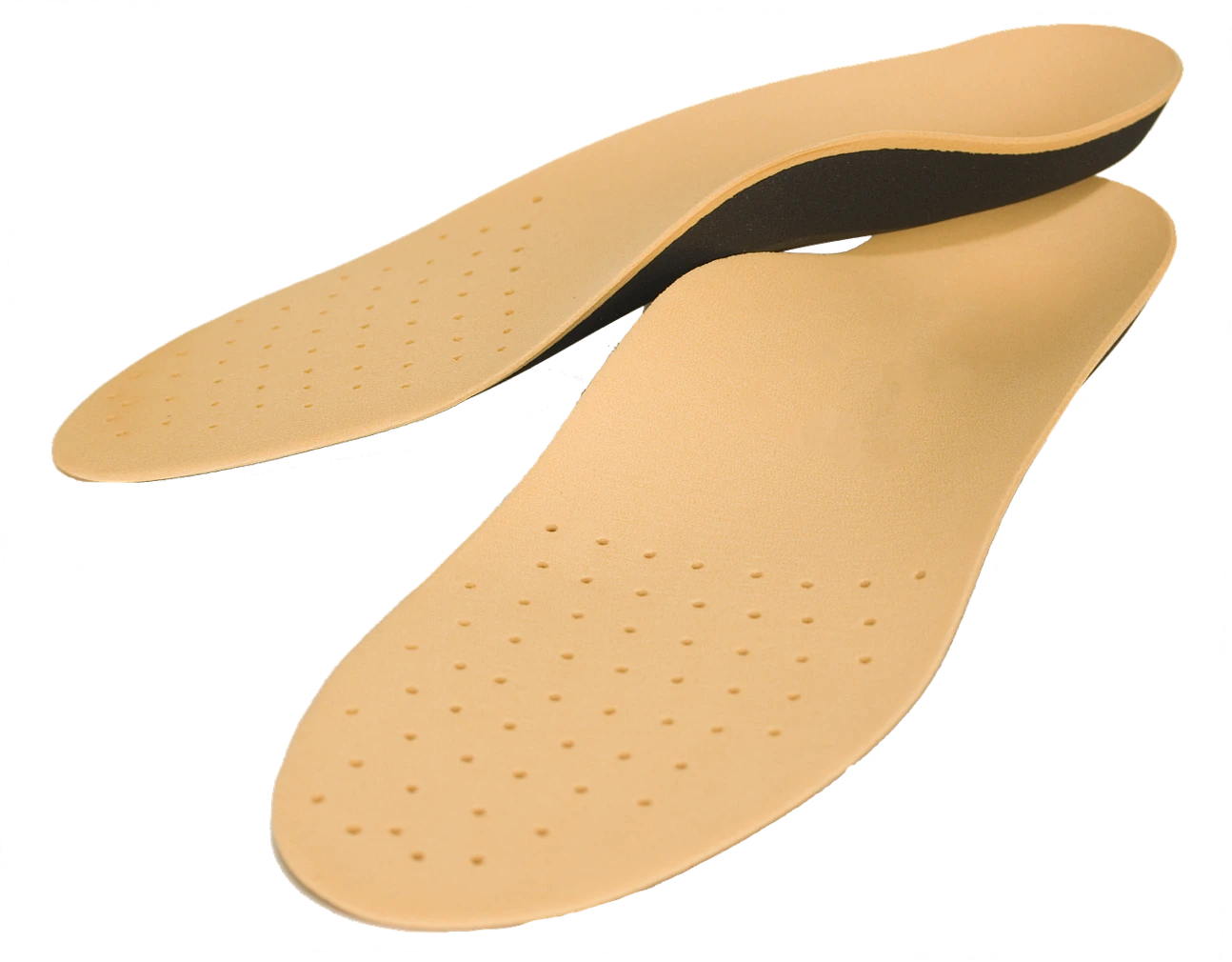
Here’s another option. If you have flat feet but your pronation is neutral or just mild, try a comfy neutral shoe with custom orthotics. It can work even better.
You get support made just for you, way better than the off-the-shelf kind in stability shoes. The orthotics are shaped to fit your feet perfectly, giving you arch support and control right where it counts.
So you enjoy a lighter, more flexible neutral shoe, but still get the specific support your feet require. For a lot of people, this custom combo is more precise and works better.
| What to look at | Stability Running Shoe | Neutral Running Shoe (with orthotics) |
|---|---|---|
| Main Job | Uses built-in tech to control overpronation. | Focuses on cushioning; you add support with orthotics. |
| Best For | Runner with flat feet moderate to severe overpronation | Runner with flat feet neutral or mild pronation |
| Key Tech | Things like a medial post, dual-density foam, or guide rails. | One type of foam throughout; has space for your custom inserts. |
| Flexibility | Usually stiffer, to limit foot motion. | Tends to be more flexible. |
| Weight | Often on the heavier side. | Usually lighter. |
The Professional Gait Analysis Process
Beyond the Wet Foot Test
Essential Step: You know that classic wet footprint test? It only shows your arch height when you’re standing still, not how your foot actually moves when you’re running. That’s why getting a professional gait analysis is super helpful.
You can get one at a good running store or from a podiatrist. Here’s how it works: you run on a treadmill, and they film you with high-speed cameras. Then, the experts take a close look at your stride.
how your foot hits the ground, and how your legs line up while you’re moving. This gives them the real scoop on your pronation—how much it happens and exactly when during your stride.
So instead of just guessing based on whether you have flat feet or a high arch, you get solid info to pick the right shoe type. This can save you money on the wrong shoes and help you avoid getting hurt.
Interpreting Analysis Results for Shoe Choice
Actionable Insight: After the analysis, the report will usually put your pronation into a category. Here’s a simplified guide to translating results: Severe Overpronation: Strong candidate for stability or even motion control shoes. Moderate Overpronation: Ideal for standard stability shoes with a medial post. Neutral or Mild Pronation: Can often use neutral shoes, possibly with aftermarket insoles for comfort. The person doing the analysis will also look at other stuff like your weight, how much you run, and if you’ve had any past injuries. That helps them suggest specific shoe models from those categories. The big takeaway? Don’t just buy shoes because you have flat feet. The key is that dynamic analysis of how you run.

Let’s talk about the top tech and key features in shoes.
So, what’s the deal with how stability shoes are built?
Here’s the breakdown on the tech: today’s stability shoes have clever ways to guide your foot. Brands like Brooks use their GuideRails system, which focuses on supporting the knees by limiting excess movement without over-correcting the foot.
ASICS employs a Dynamic DuoMax support system—a dual-density midsole. Saucony uses a medial TPU guidance frame. Getting a handle on these technologies means you really know what you’re getting when you buy.
It’s more than just a stability tag. It’s about the engineering behind it—maybe it’s firmer foam, a plastic plate, or a full guidance system. The real question is, does that engineering fit the way you.
personally, move? Especially if you have flat feet and are wondering if you need stability running shoes.
| Shoe Brand Model | Main Stability Tech | Who It’s Best For |
|---|---|---|
| Brooks Adrenaline GTS | GuideRails Holistic Support System | Great for runners who want support focused on their knees and a really smooth ride. |
| ASICS GT-2000 | Dynamic DuoMax Support System, plus LITETRUSS | Perfect if you like that traditional support on the inner arch but want a modern, lightweight shoe. |
| Saucony Guide | TPU Guidance Frame and FORMFIT | Ideal for runners looking for a secure fit that adapts to their foot, with clear guidance built in. |
| New Balance 860 | Stability Web and a Medial Post | It gives you durable, reliable support, mile after mile, perfect for your everyday training. |
Building a Comprehensive Foot Care Regimen
Footwear is Just One Piece of the Puzzle
Here’s the thing: getting the right stability running shoes is a great start, but dealing with flat feet needs a bigger plan. You should also do exercises to strengthen your feet. Try towel scrunches, picking up marbles, or doing calf raises.
These help rebuild the small muscles that hold up your arch. And don’t forget to roll out the bottom of your foot. A frozen water bottle or a firm ball works great to ease that tight feeling. It’s not just about your feet.
Weak hips and glutes can be a problem too. Doing clamshells and bridges makes your legs more stable overall. That way, you’re not asking your stability running shoes to fix everything. Think of it like this: good shoes give you support, but strong feet and legs are what really move you forward.
Knowing When to Seek Medical Advice
Watch out for warning signs. If the pain sticks around even after you rest, switch shoes, or try basic exercises, it’s time to see a doctor—like a podiatrist or a sports medicine doc.
Some issues, like a problem with your posterior tibial tendon (which often causes flat feet in adults), need special medical care. You might need physical therapy or custom orthotics.
A pro can figure out exactly what’s wrong, check for other problems, and put together a full plan to help you. Remember, your stability running shoe is just a tool, not a magic fix. If your foot problems are serious or won’t go away, getting expert advice is the best move you can make.
Conclusion and Final Recommendations
Alright, let’s get to the big question: do people with flat feet really need stability running shoes? Well, the answer isn’t a simple yes or no. It really depends on a few things. It’s not just about how your arch looks when you’re standing still. What matters more is how your foot moves when you run—whether you overpronate and how much. If you have flat feet and your foot rolls inward a lot (that’s overpronation), then yeah, stability shoes are pretty important. They can help you avoid injuries and keep you running longer. But if your gait is pretty neutral, you might be just fine with a good, supportive neutral shoe. The universal prescription is to get a professional gait analysis. Don’t just look at your footprint. Watch how you actually move, and let that be your guide when picking shoes.

Actionable Call to Action (CTA):
Ever done a gait analysis or found that perfect pair of shoes for your flat feet?
Drop your experience and shoe tips in the comments—it really helps other flat-footed runners out! Want more? Check out our full guide on exercises to strengthen fallen arches—just click here.
So, you’ve got flat feet and you’re wondering about running shoes?
Do you really need stability shoes if you have flat feet?
You can, but it’s riskier. If your feet roll in too much (that’s overpronation), you’re more likely to get hurt. It all comes down to how you run—your unique gait. Even with flat feet, a gait test might show your stride is fine.
In that case, a good cushioned neutral shoe could work great. But if you do overpronate, ditching stability support might bring on shin splints, achy knees, or heel pain. The key is to get your running style checked out, not just look at your flat arches.
What’s the deal with stability shoes versus motion control shoes?
Think of motion control as the heavy-duty version of stability shoes. They’re for serious overpronators, usually folks with very flat feet or who are on the heavier side.
They’ve got the stiffest support on the inside, lock down your heel, and tend to be heavier and less flexible. Regular stability shoes give a gentler nudge for mild to medium overpronation.
You’ll see these a lot more often. A running specialist can watch you run and tell you which type you actually need.
Can stability shoes be bad for you?
Absolutely, they can cause problems. If your foot doesn’t roll in much (neutral) or rolls outward (supination), a stability shoe can twist your foot the wrong way. It blocks your natural movement, which can lead to pain and injuries.
That’s why just giving every runner with flat feet a stability shoe is an old-school and risky move. The shoe has to fit your running style, period.
When do you need to swap out your stability shoes?
Plan on getting new ones every 300 to 500 miles. The stuff that gives support—like the firm wedge on the inside and the cushioning—wears out. Once it’s dead, it can’t control your foot roll anymore.
The bottom might look okay, but the cushion and support are probably shot. Running in dead stability shoes is basically running with no support. You lose the whole point of wearing them and up your chance of getting hurt.