Can Wearing Shoes Lead To Flat Feet?
I’m a pediatric orthopedic specialist with more than fifteen years under my belt. I’ve checked out thousands of feet and talked to tons of concerned parents. Parents ask me almost every day if shoes can cause flat feet. They’re genuinely worried about preventing long-term foot and bone problems. Today’s shoes do protect and support feet, but there’s big debate among foot doctors. We’re questioning shoe designs and why kids wear shoes so early. Let’s break down how shoes might affect flat feet development. I’ll separate the real facts from common myths.
Table of Content
- First, what exactly are flat feet and how do shoes work?
- Now let’s look at the science behind shoes and arch development.
- Certain shoe features might actually impact your arch health.
- That’s why barefoot and minimalist shoes are becoming popular alternatives.
- Here are some practical tips to prevent and manage flat feet.
- Let me sum things up and tell you when to see a professional.
- Here are answers to common questions about shoes causing flat feet.
Defining Flat Feet and Footwear Mechanics
What Exactly Are Fallen Arches?
Core Concept: Flat feet, also called pes planus, happen when your foot arch collapses, making your whole sole touch the ground. You need to know the difference between flexible flat feet and rigid flat feet.
With flexible ones, the arch shows up when you’re not standing – kids often have this and it’s usually fine. Rigid flat feet are more serious because the arch never appears.
I often use a simple wet test to check – you step on dry ground with a wet foot, and the footprint shows how high your arch is. Your genes matter a lot for flat feet, but what you wear on your feet also plays a big part in how your feet develop.
How Shoes Interface with Foot Biomechanics
Biomechanical Impact: Today’s shoes really change how your feet feel things and handle pressure. When shoes have thick, cushioned soles, they block the natural signals from the bottom of your feet, and over time this can make your foot muscles weaker.
Plus, things like built-in arch supports and raised heels mess with your natural walking pattern. I’ve noticed in my work that people who always wear super supportive shoes tend to have weaker arch muscles – like the tibialis posterior and flexor hallucis longus – compared to folks who go barefoot a lot.
Here’s what the science says about shoes and arch development
Pediatric Studies on Early Footwear
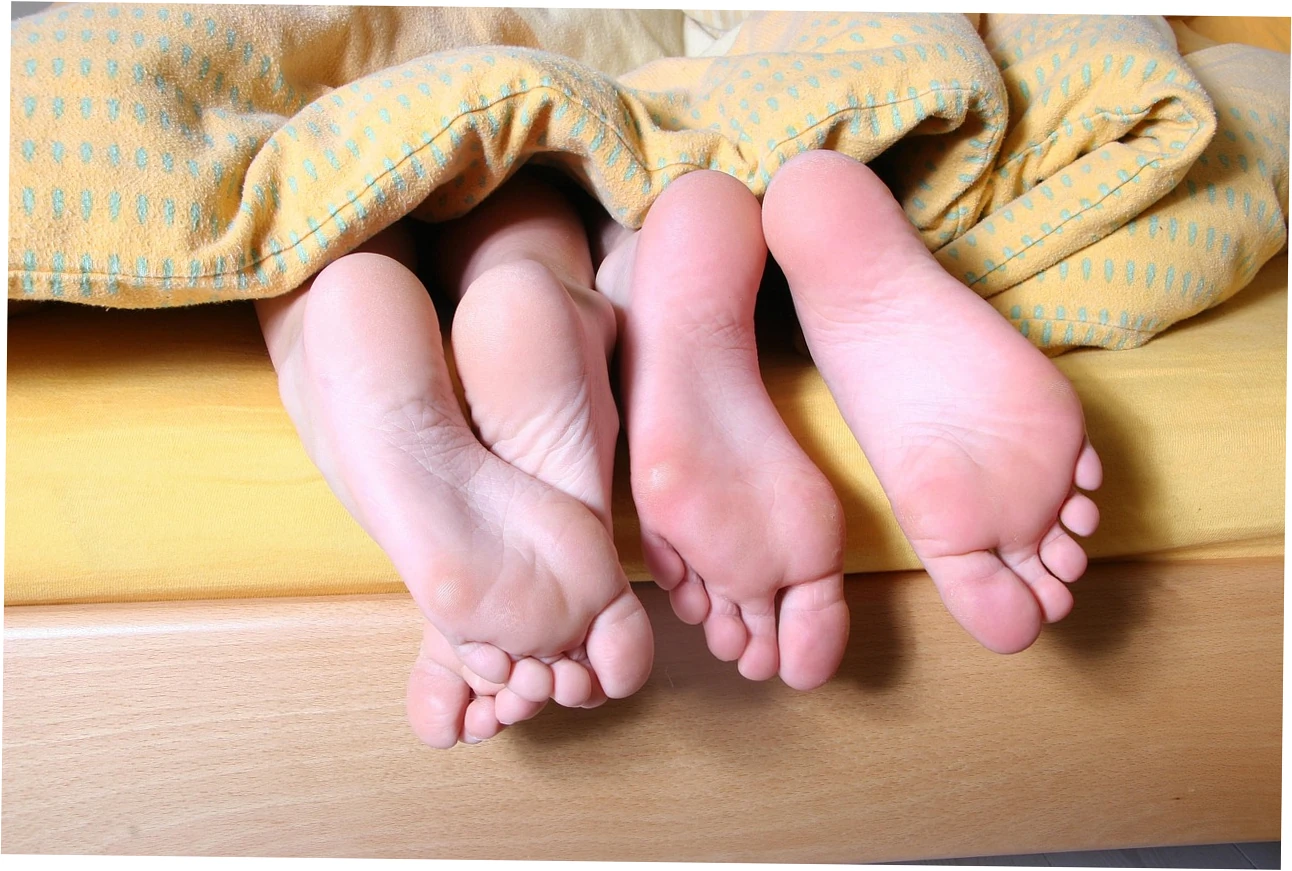
Research gives us some eye-opening insights, especially from long-term studies that compare people who wear shoes with those who go barefoot. One big study in the Journal of Bone and Joint Surgery showed something interesting – kids who wore shoes a lot before turning six were more likely to have flat feet compared to kids who mostly went barefoot. Young feet need to feel the ground and work their muscles to build strong arches naturally. But cushy, tight shoes during those important growing years can mess with this natural process, making flexible flat feet more common.
Adult-Onset Flat Feet and Shoe Choices
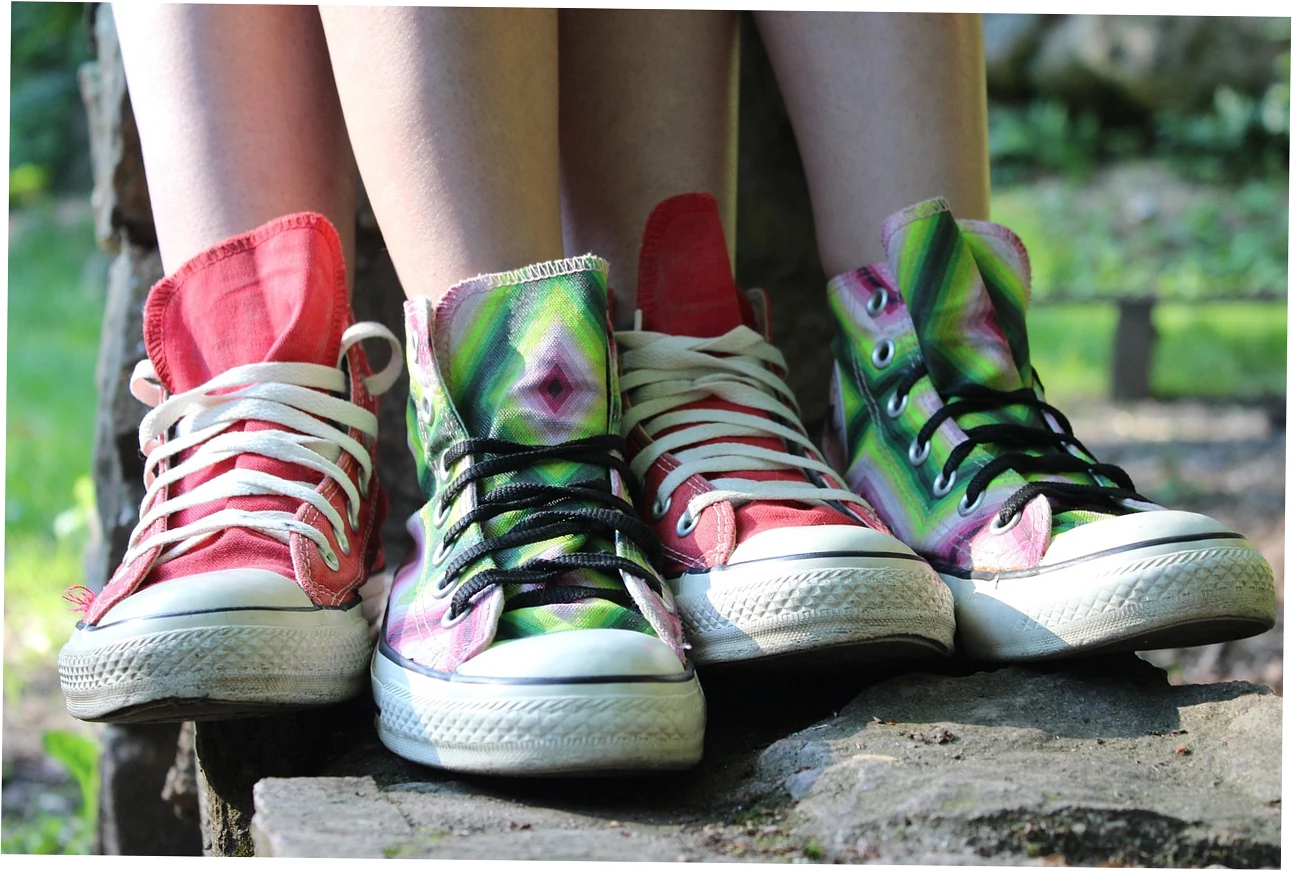
For grown-ups, it’s different – shoes don’t develop flat feet but they can make them worse. If you already have good arches as an adult, shoes probably won’t cause flat feet, but bad shoe choices can definitely speed up adult-onset flatfoot problems.
This is often linked to posterior tibial tendon dysfunction. Take high heels – they put way too much stress on that tendon. I remember one patient, a teacher who wore flimsy flats for years, she came in with stage two PTTD – her shoe choice really made her condition much worse.
Let’s talk about specific shoe features that can affect your arch health.
Here’s the problem with too much cushioning and stiff support in shoes.
Let’s break this down – those super cushioned shoes that are so popular now can actually be a double-edged sword. Sure, they feel comfortable and absorb impact, but they can also act like a crutch that makes your foot muscles lazy.
Your feet don’t have to work as hard to stay stable, which might cause your foot muscles to weaken over time. The same goes for shoes with really stiff arch supports – they stop your feet from moving naturally when you walk, and that could make your arches weaker in the long run.
Now let’s look at heel elevation and toe spring design problems.
Here’s the thing about regular shoe designs – lots of them have raised heels, even just a little bit, plus that upward curve at the front called a toe spring.
This design keeps your foot in a constantly flexed position, and that can actually shorten your Achilles tendon and plantar fascia. When your foot’s natural alignment gets changed like this, it takes pressure off your arch.
meaning your arch doesn’t get the workout it needs to stay strong. Check out this table showing common shoe features and how they might affect your feet.
| Shoe Feature | What It’s Meant to Do | How It Might Hurt Your Feet |
|---|---|---|
| Thick, Cushioned Midsole | Absorbs shock, feels comfortable | Makes your feet less aware of surfaces, could weaken foot muscles |
| Rigid Arch Support | Provides instant support | Might stop your arches from getting stronger naturally when you move |
| Heel Elevation (Heel Drop) | Looks good, gives slight lift | Changes how you walk, can shorten your Achilles tendon |
| Narrow Toe Box | Gives a sleek look | Squeezes your toes together, might cause bunions and alignment problems |

So there’s this whole barefoot and minimalist shoes movement pushing back against regular shoes.
Let me break down why people are into minimalist shoes and what benefits they claim.
Basically, minimalist shoes try to copy what it’s like going barefoot. They’ve got thin, flexible soles, wide toe boxes, and no height difference from heel to toe. The whole point is to get your feet working naturally again.
This strengthens those small foot muscles and helps you feel the ground better. From what I’ve seen with patients, when people switch to minimalist shoes the right way, they often say their feet get stronger and their arch pain gets better.
But you’ve got to take it slow, or you might end up with stress fractures. I’ve seen way too many excited beginners jump in too fast and get hurt.
Here’s how to switch to minimalist shoes safely.
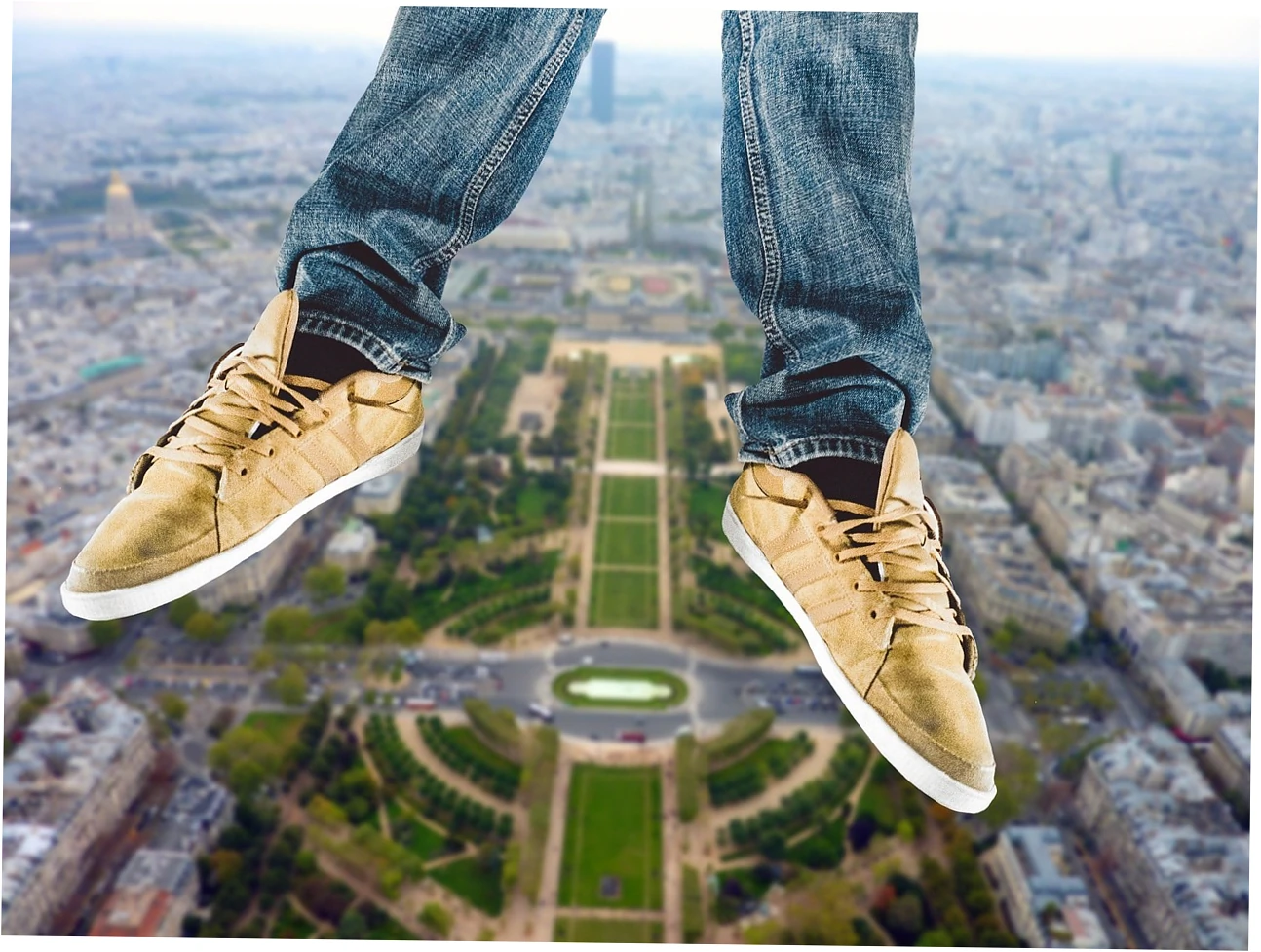
Switching to minimalist shoes isn’t just trading your old sneakers for new ones. Your feet need time to adjust gradually. I tell people to begin by wearing them briefly around the house, then slowly build up over a few months.
At the same time, do some foot exercises too. Things like spreading your toes, picking up marbles with your feet, and walking barefoot on different safe surfaces really help get your feet ready for their new job.

Here are some practical ways to prevent and manage flat feet
Let’s talk about picking the right shoes for your feet
When choosing shoes, you want ones that protect your feet but don’t control them too much Find shoes with flexible soles you can twist, wide toe boxes so your toes can spread out, and very little drop from heel to toe For kids.
stick with soft, flexible, flat shoes as much as possible – this helps their arches develop naturally Here’s a quick guide for different ages.
| Age Group | Primary Goal | Recommended Shoe Characteristics |
|---|---|---|
| Infants Toddlers (Pre-walking) | Protection, Unrestricted Growth | Soft-soled, non-constrictive, or barefoot whenever safe |
| Children (Ages 2-6) | Natural Development | Flexible, flat, with a wide toe box; prioritize barefoot play |
| Adults (Healthy Arches) | Maintenance Strength | Moderate cushioning, flexibility, minimal heel drop |
| Adults (Existing Flat Feet) | Support Stability | Structured support, motion control as advised by a professional |
Don’t forget to strengthen your feet with these key exercises
No matter what shoes you wear, you’ve got to take care of your feet proactively Doing simple exercises every day can really boost your arch strength and make your feet more resilient try the short foot exercise – it’s super effective for working those arch muscles – just pull the ball of your foot toward your heel without curling your toes Stretching your calves and balancing on one foot are also great for keeping your feet and ankles healthy.
Summary and Professional Consultation
So, let’s get to the bottom line: do shoes actually cause flat feet? Well, research shows shoes aren’t the only reason people get flat feet.
But some types of shoes definitely play a big role, especially if kids wear them while growing up, or if adults pick the wrong kind. The solution isn’t to ditch shoes completely.
It’s about making smart choices that put your foot health first, not just following the latest fashion. What really works is finding the right balance: wear good shoes, go barefoot when you can, and do exercises to strengthen your feet. That’s your best bet for keeping your arches healthy long-term.
Hey, have you noticed any changes in your foot arches? We’d love to hear your experiences or your go-to foot exercises – drop them in the comments! If you want to learn more, check out our full guide The Barefoot Transition Protocol – it shows you how to safely build up your foot strength.
Got questions about whether shoes cause flat feet? Here are some answers.
So, can walking barefoot actually help fix flat feet?
If you’ve got flexible flat feet, going barefoot on different surfaces can really help. It strengthens those small foot muscles that hold up your arch. Kids especially might see some improvement this way.
But if your flat feet are rigid or caused by tendon problems, just going barefoot probably won’t fix it. You might need special inserts or physical therapy instead.
What about arch supports – are they actually bad for your feet?
Arch supports aren’t automatically bad. They’re actually really helpful for people who already have flat feet. They reduce pain and give your feet more stability.
The problem comes when people with normal arches use rigid supports all the time. Their foot muscles might get weaker, and they could end up needing that support constantly.
Which shoes are the absolute worst if you have flat feet?
Shoes with zero support are terrible for flat feet. Think super flat sandals or floppy slippers – they just make the discomfort worse. On the other hand, super stiff shoes that control your foot movement too much can cause problems too.
especially if they don’t fit how your feet naturally move. High heels and shoes with narrow toe areas are pretty much bad news for anyone’s feet.
When should you actually start worrying about flat feet?
Most little kids look like they have flat feet until they’re about 6 years old. That’s totally normal – their arches are still forming and there’s some baby fat hiding them.
But if flat feet stick around past age 6, or if they’re painful, stiff, or make your child limp or skip activities, it’s time to see a doctor. A pediatrician or foot specialist can check things out properly.