Best walking shoes for flat feet with bunions?
Looking for comfy walking shoes? It can feel like searching for the Holy Grail, especially if you’ve got both flat feet and bunions. I’ve walked miles dealing with both, so I know the struggle is totally real. You can’t just grab any sneakers. You need shoes with serious arch support to fight overpronation from flat feet. They also need a roomy toe box to ease bunion pressure, plus good overall stability for pain-free walking. This guide cuts through all the noise. We’re focusing right on men’s walking shoes built for these exact foot issues. We’ve mixed expert podiatrist advice with real reviews from guys who wear them.
Table of Content
- Understanding Flat Feet and Bunion Mechanics
- Critical Shoe Components to Evaluate
- Top Recommended Shoe Models and Brands
- Fitting Guide and In-Store Assessment
- Complementary Care and Accessories
- Long-Term Footwear Strategy and Rotation
- Ready to take the next step?
- FAQ: Men’s Walking Shoes for Flat Feet and Bunions
Let’s break down how flat feet and bunions work.
Here’s why regular shoes hurt your feet.
The main problem is this: most walking shoes you find are made for a foot with a normal arch and straight toes. If you have flat feet, that missing arch support makes your ankle roll in too much, which is called overpronation.
That bad alignment puts stress on your plantar fascia and Achilles tendon, and can even make bunions worse or help cause them. And for bunions, the pointy, narrow front of regular shoes rubs and presses on that bony bump by your big toe.
This causes swelling, pain, and makes every step hurt. So it’s a real double-whammy for your feet, turning a simple walk into a real pain.
What to look for in shoes when you have both issues.
You absolutely need shoes that do two jobs: they have to support your foot’s structure and give your bunions room. First up, look for a stiff back (heel counter) and support on the inside edge (medial post).
These are key to stop your flat feet from rolling in. Second, you really need true motion control or stability tech. This helps guide your foot into a better, neutral position. For your bunion, find shoes with a wide or extra-wide front.
The material over the bunion should be seamless or soft and stretchy. The toe box needs to be high and wide so your toes can spread out naturally. A removable insole is a great bonus too, in case you need to use your own custom orthotics.
Critical Shoe Components to Evaluate
Arch Support and Motion Control Systems
Let’s really get into arch support. You shouldn’t just check the box for arch support and call it a day. If you have flat feet, you need serious support that’s built up, usually with two different layers of foam.
Take Brooks, for example. They have this GuideRails® system. It’s great for overpronators because it helps stabilize your knee, not just your arch. ASICS shoes often have their Dynamic DuoMax® system.
That’s a firmer piece of foam on the inside of the sole to stop your foot from rolling in too much. When you try shoes on, pay attention to the arch. You should feel a nice, supportive lift there, but it shouldn’t be a hard, uncomfortable bump.
The support should work smoothly with your whole step. It should guide your foot naturally from when your heel hits the ground to when you push off with your toes, without twisting it.
Toe Box Design and Upper Materials
Now, let’s talk about the toe box. This part is super important for bunions—it’s like a safe haven for them. Look for shoes that are specifically called wide toe box or foot-shaped. Brands like Altra are really known for this.
Their FootShape™ toe boxes let your toes spread out naturally. The material of the upper part is just as key. Go for uppers made of engineered mesh or knit.
These materials stretch in the right places, especially over the ball of your foot where bunions are. Steer clear of stiff leather or plastic bits on top. They’ll just create painful pressure points. Here’s a good trick: the thumb width test.
Put the shoe on and lace it up. You should be able to fit your thumb between your longest toe and the shoe’s end. Also, try wiggling your toes side to side. You shouldn’t feel the sides of the shoe rubbing.
Alright, let’s talk about the top shoe models and brands we recommend.
First up, we’ve got some stability walkers that podiatrists really like.
So, which models are the best? Well, looking at what doctors say and what users think, a few shoes really stand out. Take the New Balance 1540v3. It’s a classic for motion control. You can get it in lots of widths, even up to 6E.
It gives you great stability and has plenty of room up front for your toes. Then there’s the Brooks Addiction Walker 2. It has a nice, roomy leather top and a solid rollbar to help if your feet roll in too much.
Want lots of cushioning but still need stability? Check out the HOKA Bondi SR. Its special rocker shape makes walking easier for flat feet, and the platform is super wide and roomy. Here’s a quick table to compare the main features of these shoes for flat feet and bunions.
| Model | Key Feature for Flat Feet | Key Feature for Bunions | Available Widths |
|---|---|---|---|
| New Balance 1540v3 | Full-length Stability Web Rollbar | Plush Toe Box Multiple Widths | Standard, Wide, X-Wide, XX-Wide |
| Brooks Addiction Walker 2 | Extended Progressive Diagonal Rollbar | Full-grain Leather Accommodating Upper | Standard, Wide, X-Wide |
| HOKA Bondi SR | Meta-Rocker Balanced Cushioning | Extra-Wide Platform Memory Foam Collar | Standard, Wide |
Now, if you need something more specialized or orthopedic-friendly…
For more serious issues, brands like Orthofeet and Propet really focus on therapeutic shoes. Orthofeet shoes usually come with arch support that matches your foot’s shape.
They have a deep toe box that won’t pinch, and the inside is seamless with extra padding right where a bunion might be. Plus, they often include different, removable inserts. That way, you can adjust the arch support to what feels best for you.
Here’s another great idea: get a really stable shoe in a wide size. Then, swap out the regular insole for a custom one or a good store-bought orthotic made for flat feet. Boom, you’ve made your own perfect shoe that tackles both flat feet and bunions.
Fitting Guide and In-Store Assessment
How to Properly Measure and Fit
First rule of fitting: don’t just guess your size. Get both feet measured by a pro later in the day, when they’re at their biggest. Always go with the size that fits your bigger foot, which is usually the one with the bunion.
Make sure you wear your regular walking socks when you try them on. You should have about a thumb’s width of space, say half an inch, between your longest toe and the shoe’s end. Your heel and midfoot should feel snug, not slipping.
But here’s the key part: there must be zero pressure or rubbing on your bunion or the sides of your toes. To take pressure off the bunion, try lacing them with a parallel or window lacing style over that spot.
Walk Test and Break-In Procedures
Don’t just stand there—give them a proper test walk. Spend a few minutes walking on a hard floor in the store. Really notice how your foot rolls from heel to toe. Do they feel stable, or does your ankle feel like it’s rolling in?
Does the toe box bend right where your foot does, or is it creating a hot spot? Listen and feel for any seams rubbing inside. Breaking them in properly is super important.
Wear your new walking shoes around the house for just 30 to 60 minutes at a time over a few days. This lets the materials soften up and shape to your flat feet and bunions gently, so you avoid blisters. Whatever you do, don’t head out for a long walk in brand-new shoes.

Complementary Care and Accessories
Supportive Inserts and Socks
Want to make your setup even better? Even the best walking shoes for flat feet and bunions can get an upgrade. If you have flat feet, try some over-the-counter arch supports.
Brands like Superfeet, with their Green or Blue models, or Powerstep are great options. They give you way more arch support and last longer than the insoles that come with your shoes. Got bunions?
Silicone toe spacers or bunion sleeves you wear inside your shoes are a big help. They keep your toe straight and cushion that sore joint. Don’t forget good socks! Moisture-wicking, seamless ones are key.
Check out Balega or Feetures—they make socks with extra cushioning where you need it and flat seams that won’t rub your bunions or sensitive spots.
Foot Exercises and Pain Management
Let’s talk about staying ahead of foot problems. The right shoes for flat feet and bunions help a ton, but they’re not a magic fix. You can do some simple exercises to build up your arches and get your feet aligned better.
Give towel scrunches a shot—just grab a towel with your toes and pull it toward you. Or try picking up marbles with your toes. These really work those small foot muscles. If your arch hurts, roll a frozen water bottle under it.
It’s a great way to soothe plantar fascia pain. When your bunion flares up after a long walk, try icing it for about 15 minutes. It really cuts down on the swelling and pain.
Stick with these little habits and pair them with the right walking shoes. Doing this will make a huge difference in how comfortable and mobile you are down the road.
Long-Term Footwear Strategy and Rotation
When to Replace Your Walking Shoes
Here’s when to swap out your shoes: the cushioning and support inside them wear out way before you see any real damage on the bottom. If you walk a lot, a good rule of thumb is to get new shoes after every 300 to 500 miles.
But really, you should pay attention to what your body tells you. If your arches start aching again, your knees hurt, or your bunions act up when they didn’t before, it’s probably time for new shoes, even if you haven’t hit that mileage yet.
Switching between two pairs is a smart move. It lets the cushioning in each pair bounce back fully, so both pairs last longer.
Building a Versatile, Supportive Shoe Wardrobe
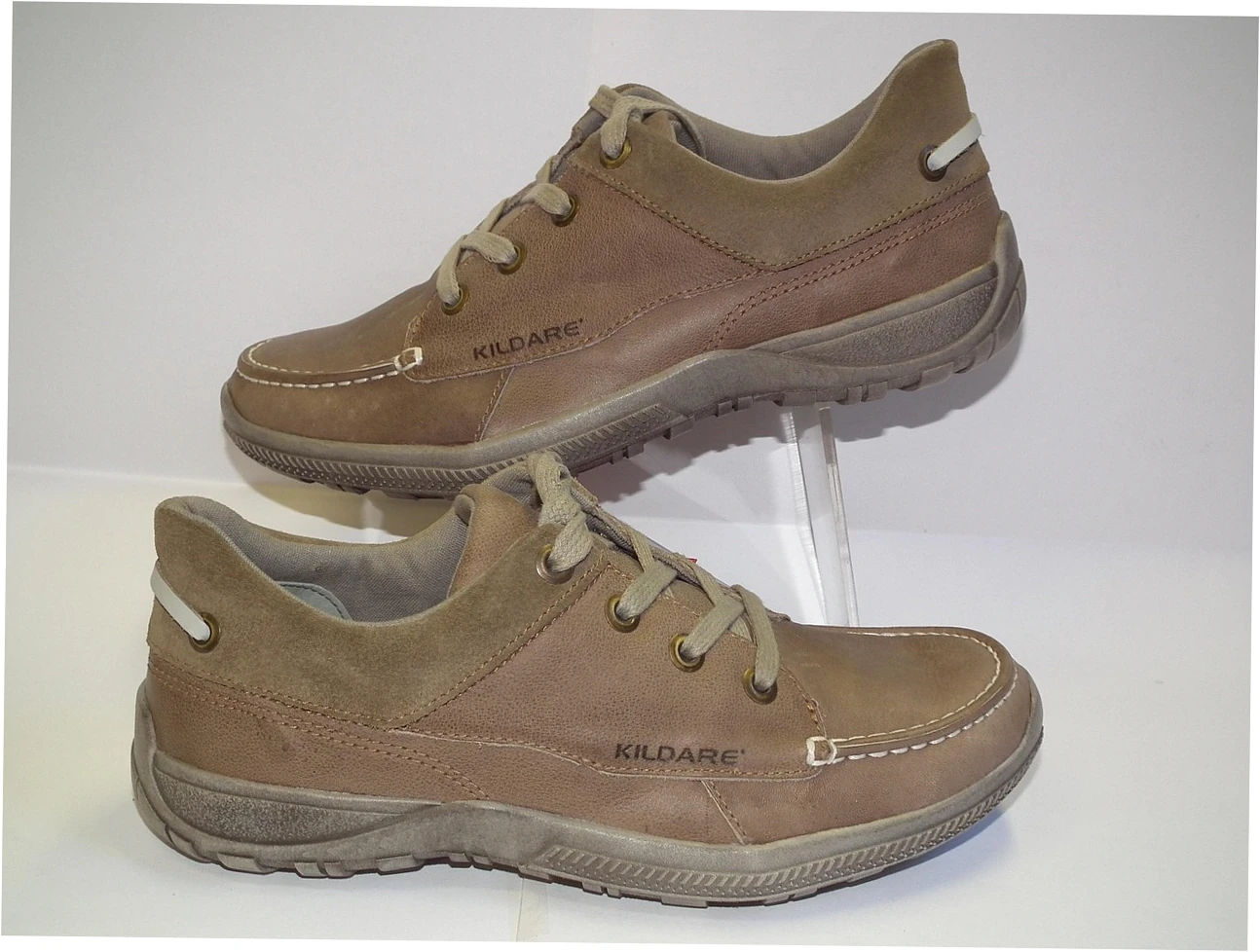
And don’t just think about sneakers for your walks. Good support matters all the time. It’s worth buying casual shoes, dress shoes, and even sandals that are made for flat feet and offer real support.
Look at brands like Vionic, Clark’s, and some Ecco shoes. They have styles with built-in arch support and roomier toe boxes, which are great for bunions.
When you have supportive shoes for every part of your day, you won’t be tempted to wear painful ones. This is key for keeping flat feet and bunions in check. The table below outlines a supportive footwear rotation:
| Activity | Shoe Type | Desired Features |
|---|---|---|
| Daily Walking/Exercise | Stability Walking Shoe | Motion Control, Wide Toe Box, Removable Insole |
| Casual Wear | Supportive Sneaker or Loafer | Anatomical Footbed, Structured Arch, Flexible Sole |
| Dress/Formal | Orthopedic Dress Shoe | Wide Fit Option, Leather Upper, Cushioned Insole |
| Home/Outdoor | Supportive Sandal or Slipper | Contoured Arch, Adjustable Straps, Deep Heel Cup |
So, to wrap it up, finding the best men’s walking shoes for flat feet and bunions comes down to two things: getting the right support for your stride and enough room for your feet. You need to focus on shoes that control your foot motion, find ones with truly wide and soft toe boxes for bunions, and make sure they fit perfectly. Keep this in mind: the right pair of walking shoes shouldn’t hurt at first. They should feel better right away, from the very first step you take. Putting your money into the right specialized footwear and taking good care of your feet can change everything. Walking can go from being a pain to something you actually enjoy and that’s good for you.
So, what’s your next move?
Got a story about finding comfy shoes for flat feet and bunions? Or maybe a big challenge you faced? Drop it in the comments!
Your tips could really help someone else score their perfect pair of men’s walking shoes. Want more info on exercises for flat feet? We’ve got a whole guide on foot-strengthening routines you can check out.
Here are some common questions about men’s walking shoes for flat feet and bunions.
So, can the right walking shoes really ease bunion pain?
Yes, they definitely can. In fact, picking the right pair is one of the best non-surgical ways to tackle bunion pain. How do they help? They give your toes plenty of room with a wide toe box, so there’s no squeezing or pressure on that bony bump.
Look for features like stretchy material, seamless insides, and soft lining—these all help stop rubbing and irritation. Now, shoes won’t make a bunion disappear.
but they can cut down on swelling and pain a lot. This lets you walk comfortably and stops more irritation, which keeps things from getting worse.
What’s the deal with a wide shoe versus one that just has a wide toe box?
This difference really matters. A regular wide shoe makes the whole shoe bigger—the heel, the arch area, and the front. If you just need extra space up front, your heel might slip around in a shoe that’s wide all over.
But a shoe built with a wide toe box, or a foot-shaped design, focuses on widening just the front. This lets your toes spread out naturally, while your heel and arch still get a snug, secure fit. So if you have bunions, a shoe with a truly roomy toe box usually works better than a generic wide shoe.
What about those super-cushioned maximalist shoes, like HOKA? Are they good for flat feet?
They can be, but here’s the key: you need stability. Those super-cushy shoes are great at soaking up impact, and that’s a plus. However, with flat feet, you’ve got to make sure the specific model is built for stability.
Some of these cushy shoes are very neutral, and that might make your feet roll in too much (overpronation). Look for ones labeled stable or that have a wider base, firmer support on the inner side.
or special guidance tech—think models like the HOKA Arahi or Bondi SR. That extra padding should add to the support you need for your arch and foot motion, not take its place.
How soon should I swap out my walking shoes when I have flat feet?
You might need to change them more often than most people. Flat feet put more wear and tear on the shoe’s midsole—that’s the part that gives you support and cushioning.
The usual advice is 300-500 miles, but with flat feet, start paying close attention around 250 miles. Watch for signs like your feet or legs feeling more tired after a walk.
seeing deep wrinkles or squashed-down spots in the midsole (especially on the inner side), or just feeling like the shoes aren’t holding you up like they used to.