Can Barefoot Shoes Help Flat Feet?
Lots of folks have flat feet or fallen arches. You’ve probably tried all sorts of things to help, like stiff orthotics or special motion-control shoes. But the results are often hit or miss. Now, there’s a new option gaining traction: minimalist or barefoot shoes. Instead of relying on outside support, these shoes focus on building up your foot’s own strength from the inside out. So, what are the real benefits of barefoot shoes for flat feet? Let’s look at how their special features help. Things like zero-drop soles, wide toe boxes, and flexible materials can actually strengthen your foot muscles. They can also help you walk more naturally and ease the aches that often come with pes planus, or flat feet. We won’t just give you general tips. We’ll explain the why behind it—the biomechanics. We’ll also share practical steps for switching over safely and cover key things to keep in mind. The goal? To help you build stronger, more resilient feet effectively.
Table of Content
- Understanding Flat Feet and Conventional Support
- How Barefoot Shoes Differ for Arch Health
- Potential Benefits for Strengthening Flat Feet
- A Practical Guide to Transitioning Safely
- Choosing the Right Minimalist Shoe for You
- Integrating Exercises for Maximum Benefit
- Conclusion and Final Recommendations
- Frequently Asked Questions (FAQ)
Understanding Flat Feet and Conventional Support
The Anatomy of Fallen Arches
So, flat feet—sometimes called pes planus—basically means your foot’s arch has fallen. This makes your whole foot sole touch the ground. There are two main types. With flexible flat feet, the arch shows up when you’re not standing.
The rigid kind doesn’t change. Both often come with overpronation, which is when your ankle rolls inward as you walk. For a long time, the standard fix from foot doctors has been external support.
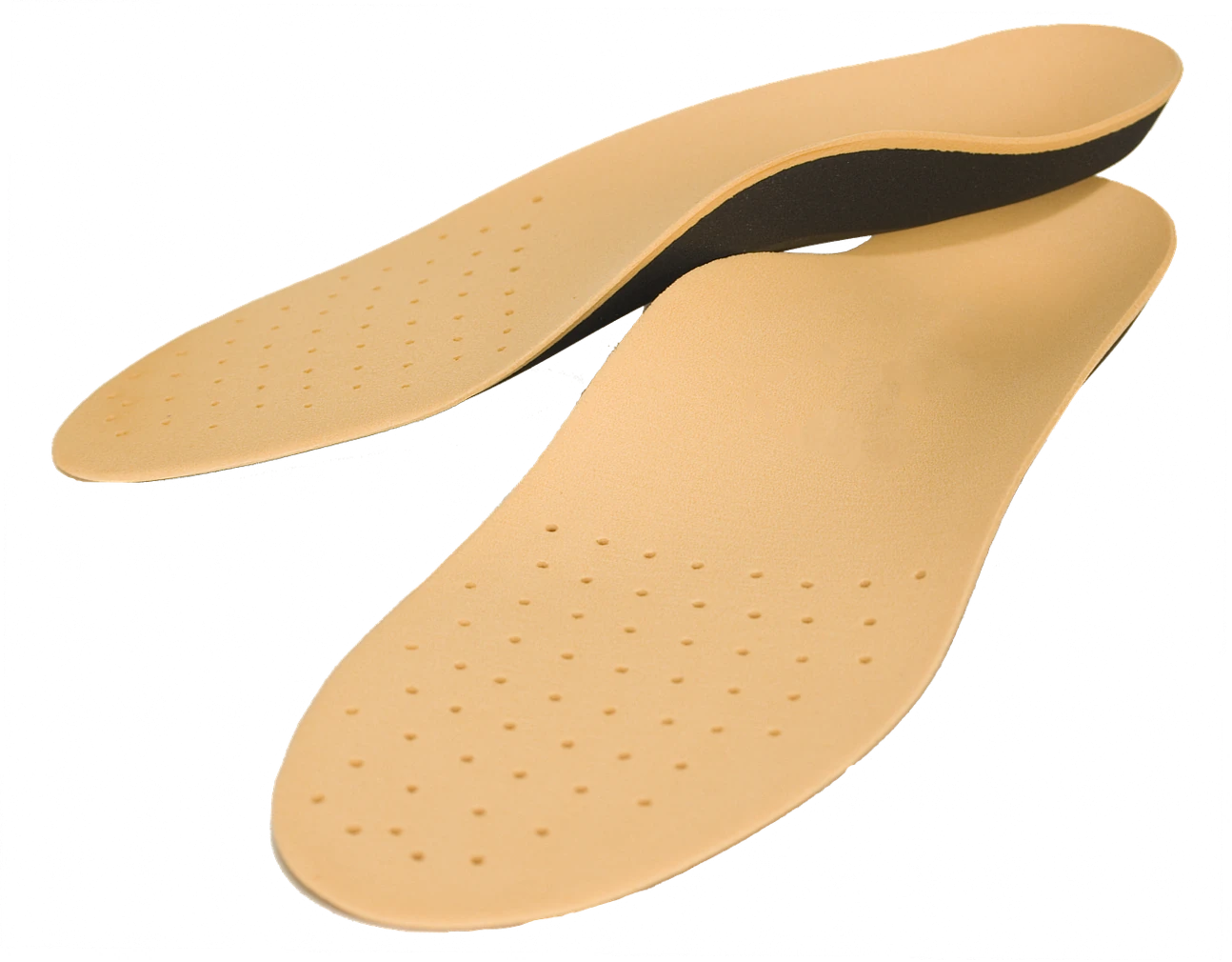
They use special insoles and stability shoes to prop up the arch and stop that inward rolling. Sure, these supports can make you feel better right away. But some experts warn they’re like putting your foot in a cast.
Over time, they might actually weaken your foot muscles, making you rely on that artificial help forever.
Limitations of Traditional Footwear
Let’s look closer at typical shoes for overpronation. They usually have a raised heel, a stiff middle part, and a big, obvious arch bump. This design messes with how your foot naturally moves. It can shorten your Achilles and calf muscles.
It also blocks the natural signals your feet send to your brain for balance and stability—that’s called proprioception. Speaking from my own work as a running coach and shoe fitter, I’ve met so many people with flat feet stuck in a bad loop.
Their plantar fasciitis or knee pain keeps going or gets worse, so they buy even more supportive shoes. They never really tackle what might be the real problem: weak foot muscles.
How Barefoot Shoes Differ for Arch Health
Key Design Principles Explained
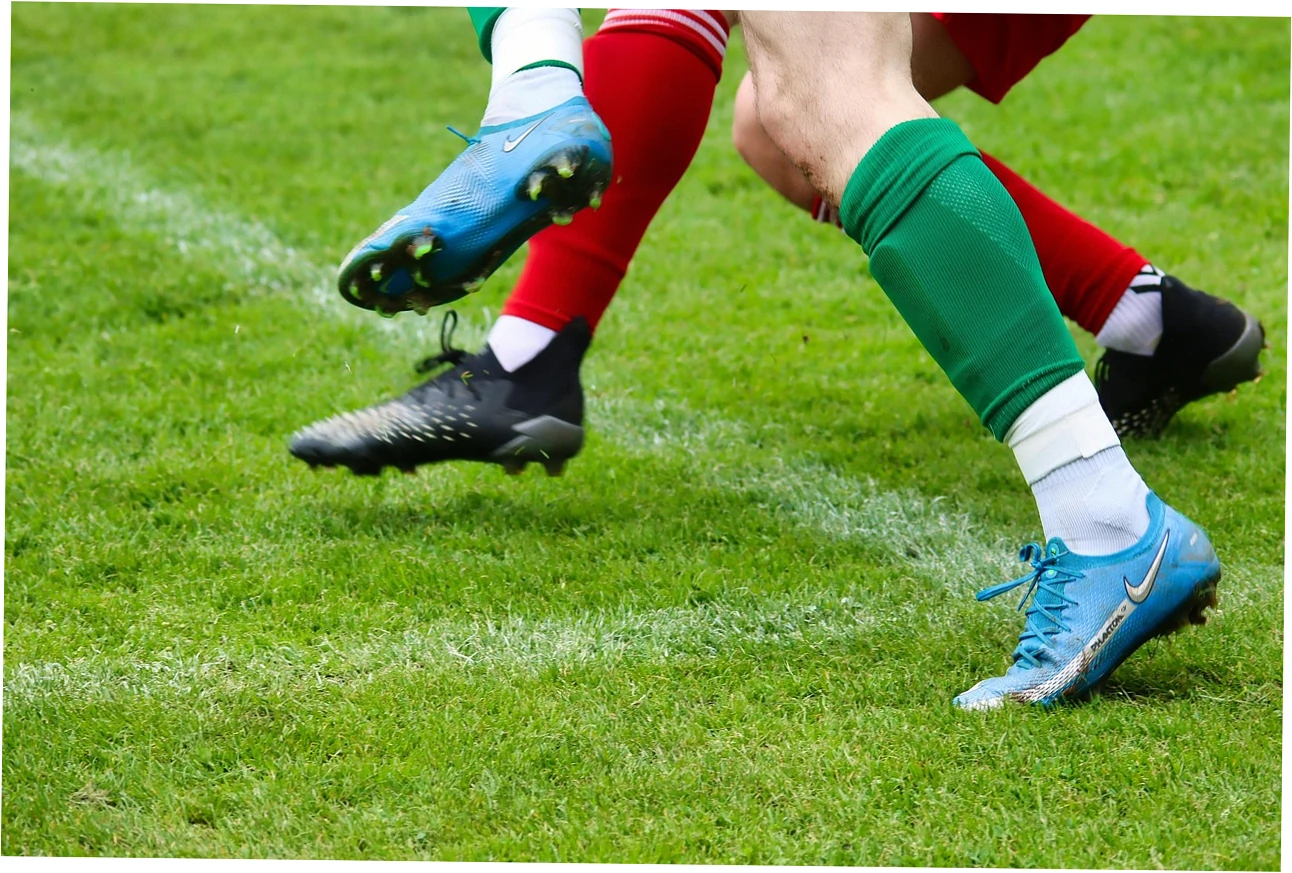
So, what’s the big change with barefoot shoes? They’re built on a few key rules that totally change how your feet feel. First up, they have a zero-drop sole.
That means your heel and the ball of your foot are level, which helps you land more naturally on your midfoot or forefoot. Second, the sole is thin and bendy. It lets you actually feel the ground and move your foot without restriction.
Third—and this is super important for flat feet—they have a wide toe box. Your toes can spread out naturally, giving you a wider, steadier foundation. All these features together help your foot work the way it’s supposed to, instead of just sitting there locked in place.
The Role of Sensory Feedback
Here’s the cool part about that thin sole: it gives your brain way better feedback about where your foot is. That’s your proprioception kicking in. If you have flexible flat feet, getting this better feedback is a game-changer.
It helps those tiny muscles in your feet and ankles—the ones that keep you stable—work better. They can actively manage how much your foot rolls in (that’s pronation) with each step. It’s like swapping a fuzzy old picture for a super clear HD one.
Your nervous system gets a sharp signal, so it can make quick, tiny adjustments to keep your foot aligned and stable every time you take a step.
Let’s talk about how barefoot shoes can actually help strengthen flat feet.
First up, building up the muscles inside your foot.
The main idea is that barefoot shoes help your foot muscles grow stronger, which is like active rehab for your feet. See, without a stiff arch support holding you up.
your foot’s own muscles—the ones that build and hold your arch—have to kick in to keep your foot steady when you walk. A big study back in 2013 showed that when people switched to minimalist shoes.
their foot muscles got bigger and their arches became stiffer. From my own experience, after about six months of slowly wearing them more and more in my daily life, my arches stopped cramping so much and even looked a little bit higher.
Next, they can really improve the way you walk and your body’s alignment.
Here’s how it works for your walk: barefoot shoes encourage you to take shorter, quicker steps and land with your foot more under your body. This can cut down on that hard heel strike and the rolling-in (overpronation) that flat feet often do.
That better foot placement can straighten things out all the way up your legs and back, which might take pressure off your knees, hips, and lower back. Check out this quick comparison of how people with flat feet usually walk in regular shoes versus barefoot-style ones:
| Gait Phase | Traditional Supportive Shoes | Barefoot-Style Minimalist Shoes |
|---|---|---|
| First Step | You usually land hard on your heel first. | You’re more likely to land on the middle or ball of your foot. |
| As Your Foot Takes Weight | Your foot might roll inward quickly and uncontrollably, but the shoe’s structure tries to stop it. | Your muscles control the rolling motion better, and your toes can spread out naturally. |
| Pushing Off | The push-off might be weaker because your toes are all squished together. | With your toes able to spread, you get a stronger push, especially from your big toe. |
A Practical Guide to Transitioning Safely
The Essential Gradual Adaptation Plan
Step-by-Step Protocol: Switching from super cushy stability shoes to wearing barefoot shoes all the time right away? That’s just asking for trouble, especially if your feet are already feeling the strain.
Getting it right takes months, not just a few weeks. On day one, just slip on your minimalist shoes and wear them indoors for 30 to 60 minutes. Walk slowly and really think about it. Notice how your feet hit the ground.
Each week, only add about 10 to 15 percent more wear time. At the same time, start doing some simple foot exercises every day. You can even do them barefoot around the house. Basic moves are key.
Try spreading your toes, doing the short foot exercise (that’s lifting your arch without crunching your toes), and some calf raises.
Listening to Your Body and Managing Risks
Risk Mitigation: Don’t worry if your feet, calves, or shins get a bit sore in a new way. That just means your body’s getting used to it. But a sharp pain, like in your arch or heel cord? That’s a red flag.
Ease up if you feel that. If you have really stiff flat feet, bad arthritis, or nerve issues that affect feeling, talk to a foot doctor or a physical therapist first.
Make sure they know about minimalist shoes and the benefits of barefoot shoes for flat feet. Switching shoes isn’t a magic fix. It’s more like a tool to help your feet get stronger and tougher. The table below outlines a sample conservative transition schedule for a beginner:
| Phase (Weeks) | Daily Wear Time (Approx.) | Recommended Activities | Key Focus Cues |
|---|---|---|---|
| 1-3 | 30 mins to 1 hour | Indoor walking, light housework. | Mindful walking, soft landings. |
| 4-6 | 1-2 hours | Extended indoor wear, short outdoor walks on smooth surfaces. | Focus on posture, avoid heel-striking. |
| 7-12 | 2-4 hours / Part-time daily wear | Daily errands, light hiking on easy trails. | Integrate foot exercises, monitor for any persistent pain. |
Choosing the Right Minimalist Shoe for You
Key Features to Prioritize
Here’s a heads-up: minimalist shoes aren’t all the same, especially if you have flat feet that might be wide too. Your number one thing to look for is a toe box that’s genuinely wide and shaped like a real foot.
When you stand up, your toes shouldn’t be squished against the sides. Then, you want good ground feel. A sole around 6 to 10 millimeters thick is a solid place to start.
Just make sure it’s still tough enough to protect you from sharp stuff on the ground. Flexibility is super important. The shoe needs to bend easily right where your foot bends, at the ball. Finally, double-check that it’s really zero-drop.
A lot of shoes labeled low-drop (like 4mm) still have the heel a bit higher than the front. That can keep your calf muscles feeling tight, which is one of the things barefoot shoes for flat feet are supposed to help with.
Top Styles and Considerations for Different Activities
Now, for different activities: For just hanging out or daily wear, check out brands like Vivobarefoot, Xero Shoes, and Feelgrounds. They’ve got great-looking styles with nice, wide options.
If you’re into running, begin on softer ground like grass or a track. Popular starter shoes for running in minimalist shoes are the Merrell Vapor Glove or the Xero Prio.
For jobs where you need more protection, Lems and some Vivobarefoot models have tougher soles but still stick to the minimalist idea. Just remember, the point isn’t to find the absolute thinnest shoe.
It’s about finding the shoe that lets your foot move as naturally as possible, while still keeping it safe for wherever you are. That’s a key benefit of barefoot shoes for flat feet.
Let’s talk about how to combine exercises to get the most out of them.
Here are some key drills to strengthen your feet and ankles.
For a targeted routine, spend just 10 minutes a day on foot rehab. This helps your feet adapt faster to barefoot shoes and gets you the most benefit. The most important one is probably the short foot exercise.
Here’s how you do it: sit barefoot, keep your heel and the ball of your foot down. Then, try to shorten your foot by pulling the base of your big toe back toward your heel. You should feel your arch lift up, but don’t curl your toes.
Hold that position for 5 to 10 seconds. Do about 10 of these on each foot. Pair this with a couple other moves. Try resisted ankle eversion—that’s using a band to turn your sole outward.
It strengthens muscles that control pronation, which are often weak in flat feet. Also, do some single-leg balances to boost your overall stability.
Don’t forget about mobility and recovery.
Supporting practices are key. Building strength is great, but you also need good mobility. Make a habit of rolling the bottom of your foot with a lacrosse ball. This helps release tension in your plantar fascia.
Be diligent about stretching your calves. Pay special attention to the soleus muscle by bending your knee while you stretch. Tight calves can make flat-footed mechanics worse.
Using myofascial release on your shin muscle, the anterior tibialis, can be really helpful too. Most importantly, listen to your body. If you’re really sore, it’s smarter to take a rest day or switch to more cushioned shoes. Don’t just push through the pain.
Conclusion and Final Recommendations
So, trying barefoot shoes for flat feet isn’t about finding a quick fix. It’s more like starting a journey to re-educate and strengthen your feet.
The benefits can be really good. Think stronger arches, a better natural walk, and maybe needing orthotics less. But you gotta be patient, stick with it, and pay attention to how you’re doing it. It’s a big change in thinking.
Instead of looking for support from the outside, you’re building up strength from the inside. Take it slow at first. Focus on doing the movements right, not on how long you do them.
And make sure to use your new shoes along with some specific foot exercises. For a lot of folks with flexible flat feet, doing both—the shoes and the exercises—can mean feet that feel better, are healthier, and work better.
Want to let your feet experience something more natural? Why not start today? Just kick off your shoes at home for 15 minutes. Try spreading your toes and walking around carefully. Then, tell us what you think or ask any questions down in the comments!
Frequently Asked Questions (FAQ)
Can barefoot shoes fix flat feet completely?
Don’t expect barefoot shoes to magically fix your flat feet, especially if you have the rigid type. But if your flat feet are flexible, they’re a great tool. They can really strengthen those arch muscles.
This often leads to a higher arch, better foot function, and less pain. So think of it more like training and building strength, not a quick fix.
How long does it take to see benefits for flat feet?
How long it takes to see changes really depends on the person. You might feel better balance and body awareness in just a few weeks. For real muscle strength and a visible change in your arch, give it 3 to 6 months.
You need to wear them regularly and do some specific foot exercises too. Big improvements, like less pain when you’re active, might take anywhere from 6 months to a full year. You’ve gotta be patient, no question about it.
Are barefoot shoes bad for overpronation?
Barefoot shoes tackle overpronation in a totally different way. Regular shoes use stiff support to try and stop your foot from rolling in. Barefoot shoes, on the other hand, train your own muscles to control that movement.
At first, your foot might roll in even more without that support. But as your foot and ankle get stronger, you’ll gain more control and it won’t be as extreme. Just make sure you switch over slowly, so your muscles have time to adapt.
Should I wear orthotics with barefoot shoes?
Usually, the answer is no. The whole point of barefoot shoes is to let your foot move and get strong on its own. Sticking a regular, hard orthotic in there ruins that. It gives you outside arch support and muffles the feedback your foot needs.
If you really feel like you need a lot of support, you might not be ready to go full barefoot shoe yet. Or, you could talk to a pro who gets the minimalist idea. They might design a custom, super flexible insert for you.