Best Running Shoes for Flat Feet?
Hey, if you’ve got flat feet, you get it. The struggle is real. It’s not just about finding shoes that fit. You need shoes that actually fight overpronation and keep you comfy, no matter how far you run. Picking the right running sneakers for flat feet changes everything. It turns what could be a painful run into something you actually enjoy and can keep doing. This guide cuts out all the confusing stuff. We’ll give you clear, practical steps to find shoes with the arch support, motion control, and stability your flat feet really need. So let’s stop guessing and find your perfect pair of running sneakers.
Table of Content
- First, let’s understand your flat feet and overpronation.
- Next up, the key shoe features you need for arch support.
- Then, we’ll walk through the step-by-step process for fitting and choosing your shoes.
- We’ll also check out some top recommended models and sustainable options.
- Don’t forget about socks and orthotics—they really help complete your setup.
- We’ll cover how to avoid common mistakes and prevent injuries.
- Ready to find your perfect match of running sneakers for flat feet?
Let’s talk about flat feet and overpronation.
First, how does a flat foot work?
Basically, having flat feet (doctors call it pes planus) means your foot arch has dropped. This makes your whole foot sole press flat on the ground. It’s not just about looks—it actually changes the way your body moves.
When you’re running, that missing arch often causes overpronation. That’s when your foot rolls inward way too much every time it hits the ground. A 2022 study pointed out that this heavy inward roll is a main reason why runners with flat feet get hurt. We’re talking about shin splints, plantar fasciitis, and knee pain. So, getting this cause-and-effect is key. It’s your first move to fix the problem by picking the right running sneakers for flat feet.
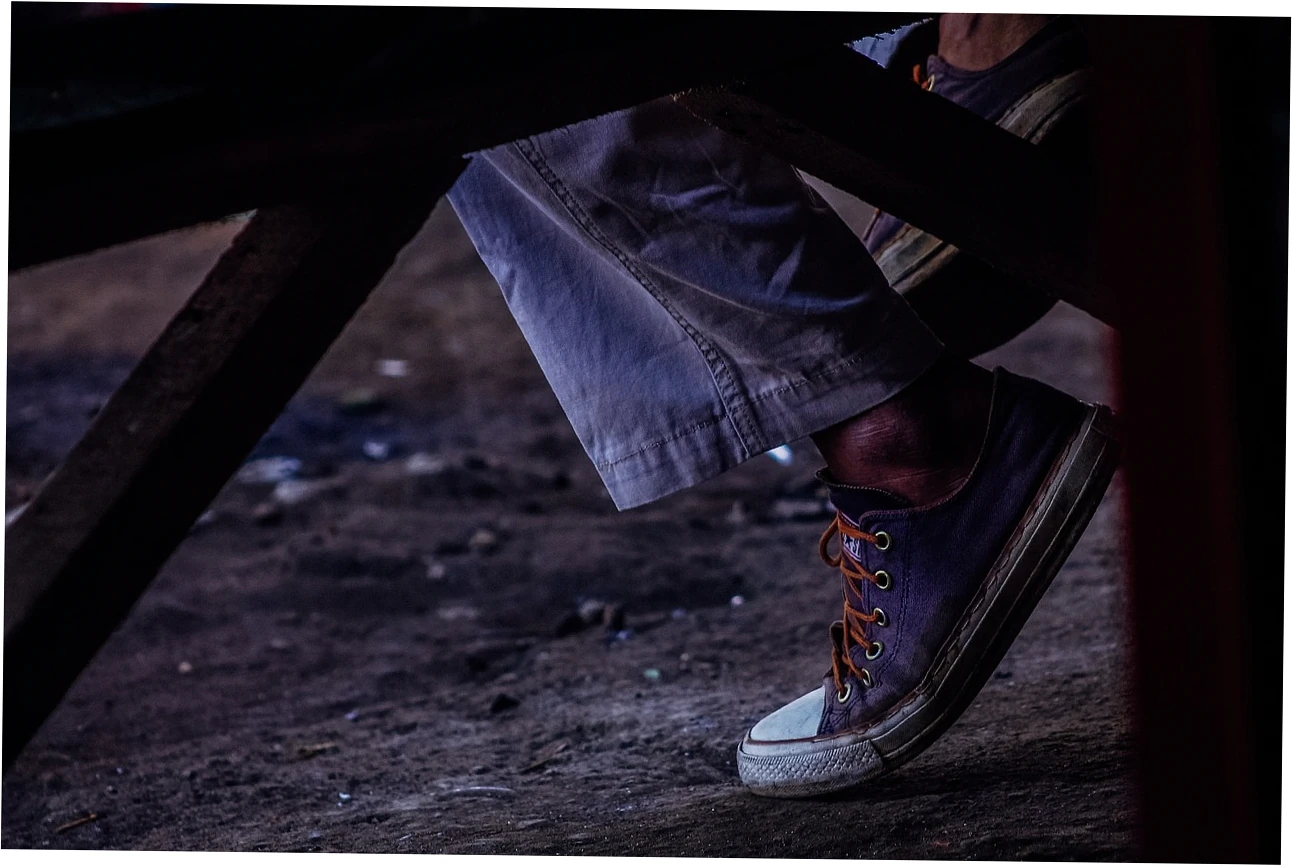
Here’s why regular running shoes don’t cut it for you.
The big difference is this: standard, neutral running shoes are made for folks with a normal arch and a straight, efficient stride. But if you have flat feet, these shoes give you no help at all. They let your foot roll in as much as it wants.
They just don’t give you the support you need on the inner side of your foot. Wearing the wrong shoes is like driving with bad wheel alignment. Sure, you’ll keep moving, but you’re putting a ton of stress on your body.
The right running sneaker for flat feet, though, works like a built-in support. It guides your foot into a better, steadier position through your whole stride—from when your heel lands to when you push off your toes.
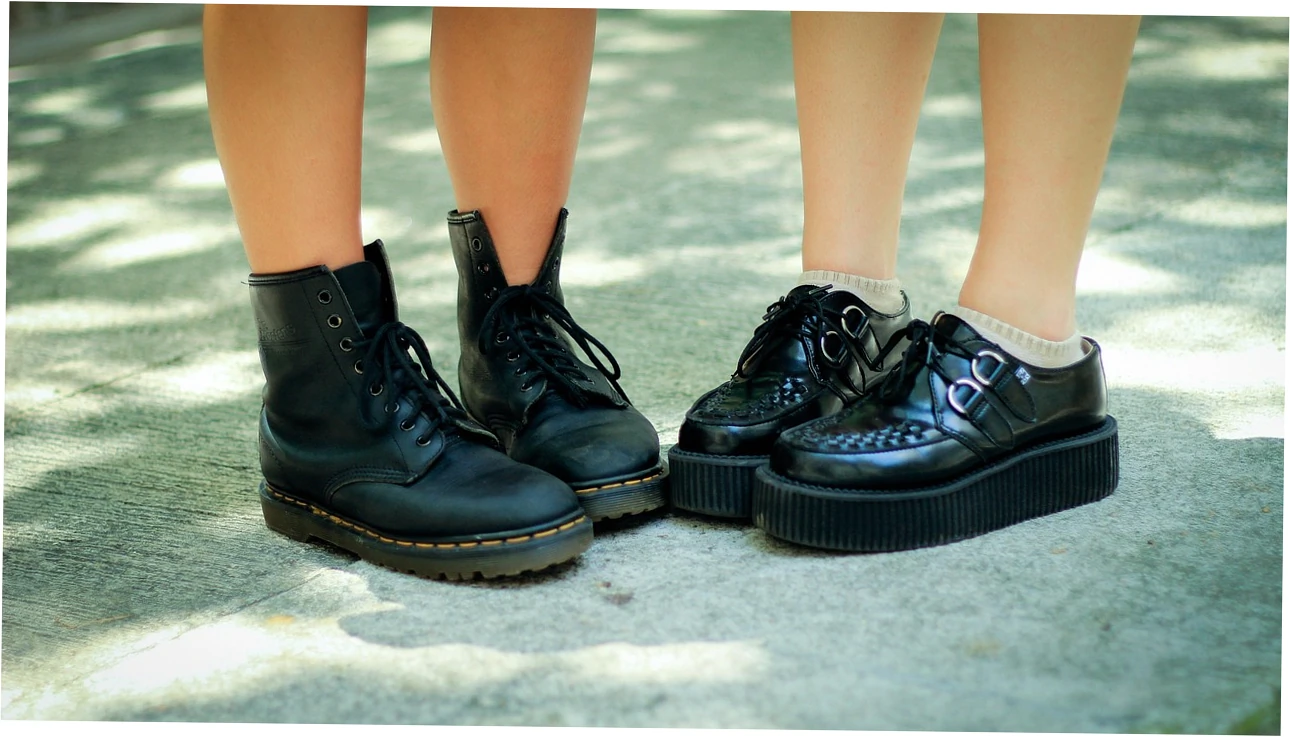
When you’re picking running shoes for flat feet, you gotta know the key features for arch support.
Let’s break down the two main types: motion control and stability shoes.
Here’s the thing: not every supportive shoe is the same. For severe overpronators with very flat feet, motion control shoes are the heavy-duty option. These shoes have special features to stop that inward roll. They use denser foam on the inside edge, a super stiff heel cup, and a straighter shape. Stability shoes, while still supportive, offer a blend of cushioning and moderate guidance, often using lighter guiding technologies like guide rails. They’re perfect if your feet only roll in a little or a medium amount. So, picking the right one comes down to how much your foot rolls in and how much you weigh.
| What to look at | Motion Control Shoes | Stability Shoes |
|---|---|---|
| Who they’re best for | Bad overpronation, very flat feet, or if you’re on the heavier side. | A little to medium foot roll, or just low arches. |
| What’s inside the sole | A very obvious firm post on the inner side. | A softer post or light guide rails. |
| The shoe’s shape | Pretty straight or only slightly curved. | Somewhere between straight and a little curved. |
| How heavy they are | They tend to be heavier. | They’re a medium weight. |
| How much they bend | They don’t bend much, they’re more stiff. | They bend more but still guide your foot. |
Two parts you absolutely can’t ignore: the heel counter and the last.
Besides the midsole, you really need to check two things on the shoe itself. First, squeeze the heel counter—the hard cup at the back of the shoe. It needs to be really firm and not bendy. This locks your heel down and stops it from rolling around. Second, look at the shoe’s last (its shape from above). For flat feet, you usually want a straighter last. This gives your inner foot more space and support, which matches how a flat foot is built way better than a curved, speedy-looking last.
The Step-by-Step Fitting and Selection Process
Getting Professionally Assessed
First thing you should do before buying: get a gait analysis done. Lots of running specialty shops will do it for free. They’ll have you run on a treadmill, maybe even film you, to see how much your foot rolls in—that’s your pronation.
Some stores use fancy pressure plates that show a heat map of where your foot hits. That hard data is super helpful. It stops you from just guessing and gives you real facts. I guessed wrong about my own feet for years.
A gait analysis showed my overpronation was worse than I realized, which finally pointed me to the right kind of shoe.

The In-Store Try-On Ritual
Here’s a key fitting tip: try shoes on in the late afternoon. That’s when your feet are a bit swollen, like they get when you run. And wear your usual running socks.
The golden rule is to leave a thumb’s width of space from your longest toe to the shoe’s end. Lace them up all the way and stand. Your foot should feel snug and supported, not squished, with no pinching around the arch.
Do a ramp test if you can—just stand on a slanted surface. A good stability shoe for flat feet will make your foot feel steady and level, not like it’s rolling in over the side.
| Step | What to Do | What to Feel/Look For |
|---|---|---|
| 1. Size Space | Stand up with the shoes laced up. | You should have about a thumb’s width of room at the toes. |
| 2. Heel Lock | Lace them up and try to lift your heel. | Your heel shouldn’t slip out of the firm back part. |
| 3. Arch Contact | Run your finger along the inside of the shoe. | The arch support should touch your arch, not just hover there with a gap. |
| 4. Flexibility Test | Twist the shoe and bend the toe area. | It shouldn’t twist too easily, but it should bend freely where your toes bend. |
Let’s talk about the best shoe picks and eco-friendly options.
Here are the top running shoes for flat feet in 2024.
So, what models should you look at? Magazines like *Runner’s World* and stores like *Road Runner Sports* keep recommending a few solid choices for flat feet. You’ve got the Brooks Adrenaline GTS, which is a real stability workhorse.
Then there’s the ASICS GT-2000 for good, moderate support. And if you have wider feet, the New Balance 860v13 is an excellent pick. Need the strongest motion control?
Go top-tier with the Brooks Beast for men or Glycerine GTS for women, or check out the ASICS Gel-Kayano. Just remember, these are just suggestions to get you started. The most important thing is how the shoe fits your own foot.
I’ve personally run hundreds of miles in the Adrenaline GTS. Its GuideRails tech really works—it stops my feet from moving around too much and saves my knees.
Now, what about the planet and ethics?
Here’s the green factor. Taking care of your feet is important, but so is taking care of the planet. Luckily, shoe companies are finally getting on board. Try to find running sneakers made with recycled stuff.
Lots of shoes now have uppers made from recycled plastic bottles, and their midsoles might use plant-based or other recycled materials. Brands like Allbirds, plus some lines from Saucony and Adidas.
are really leading the way in sustainable sneaker design. When you’re doing your research, take a peek at the company’s sustainability report. Picking a tough, well-built shoe from an ethical company is a win-win. You get great support for your runs, and you help the environment too.

Complementing Your Shoes: Socks and Orthotics
The Role of Technical Socks
Here’s a sock tip: don’t ruin a good running shoe by wearing cheap cotton socks. Cotton holds onto sweat, and that’s a fast track to blisters. You’re better off getting socks that pull moisture away.
like ones made from merino wool or synthetic materials such as CoolMax. If you have flat feet, look for socks that offer a bit of light compression or extra padding right at the arch.
A quality sock cuts down on rubbing and keeps your foot’s climate in check. This is super important for staying comfy on long runs and avoiding those painful hot spots.
When to Consider Custom Orthotics
Sometimes you need more support. Even top-notch stability shoes might not cut it for everyone, especially if you have rigid flat feet or other specific foot mechanics.
So, if you’ve picked the right shoes but you’re still in pain, it’s time to talk to a foot doctor or a specialist like a podiatrist. They can check you out and see if custom orthotics are what you need.
These are prescription inserts made just for your feet. They’re medical-grade and give you exact arch support and correction. Think of them as teaming up with your motion control running shoes, not replacing them.
Sure, they’re an investment, but for a lot of runners with flat feet, they’re the missing piece that finally makes running pain-free.
Let’s talk about how to steer clear of common mistakes and prevent injuries when you’re choosing running sneakers for flat feet.
First up, breaking in your shoes and knowing when to replace them.
Here’s the deal with breaking in shoes: a good pair of running sneakers for flat feet shouldn’t hurt at first. They ought to feel comfy right out of the box, even just walking around.
But play it safe—go for a couple of short, easy runs in them before you tackle any long distances. When it comes to replacing them, that old 300-500 mile rule is a handy starting point, but really.
you gotta pay attention to what your shoes and your body are telling you. Give your shoes a look-over. Check if the midsole is squished and doesn’t spring back, and see if the tread on the bottom is worn smooth.
especially on the inside part of the heel. That’s a dead giveaway of overpronation, which is super common with flat feet.
Next, it’s super important to listen to the warning signs your body gives you.
Think of pain as your body’s feedback system. Things like shin splints, constant pain in your arch or heel, or achy knees aren’t normal running aches you should just ignore.
If you have flat feet, that pain is often a direct message saying your running sneakers aren’t giving you the right support anymore, or they’re just plain worn out.
If you ignore those signs and just push through the pain, you’re asking for trouble—like a stress fracture or a long-term injury. So, if pain pops up, take a hard look at your shoes right away.
Sometimes, all you need to do is swap out your old pair for a new one. Honestly, the signals from your body are the best review you can get on your running sneakers for flat feet.
Picking the right running sneakers for your flat feet is a really smart way to take care of yourself. It means giving yourself what you need to run stronger, go longer, and stay pain-free.
When you understand your flat feet, focus on shoes with good motion control and stability, and take the time to get fitted properly, you can make flat feet a non-issue for your running.
Just remember this: the best running shoe for flat feet is the one you forget you’re wearing, so all you can think about is how much you love the run.
So, you’re ready to find the perfect shoe for you?
This week, pop into a specialty running store and get a gait analysis done.
Then, drop a comment below to share what you learned or your favorite shoe pick. Your tip might just help another runner with flat feet find their groove!
Here are some common questions about picking the right running sneakers for flat feet.
What about neutral shoes for flat feet?
Most of the time, it’s not a good idea. See, neutral shoes don’t have the arch support or motion control that flat feet usually need. That support helps keep your foot stable. Wearing the wrong type can mess with your stride and make you more likely to get hurt.
How can you tell if you overpronate?
First, check the bottoms of your old running shoes. If the inside edges, near the heel and ball of your foot, are really worn down, that’s a big clue. For the best answer, get a pro gait analysis at a running store. They’ll watch how your foot lands and rolls.
Are stability shoes a good choice for flat feet?
Absolutely! For most folks with flat feet, especially if you have mild to moderate overpronation, stability shoes are a great pick. They give you the right arch support and just enough guidance to stop your foot from rolling in too much, without feeling too stiff.
Do you also need special inserts (orthotics) with stability shoes?
Not always. A lot of runners with flat feet get all the support they need from a good pair of stability or motion control shoes. But if your flat feet are really severe or stiff, or you keep having pain.
it’s worth seeing a foot doctor. They can make custom orthotics that work perfectly with your shoes for a personalized fix.