Does Pregnancy Lead to Permanent Flat Feet?
Lots of pregnant women notice their feet change a lot, especially how their arches get flatter. This happens because pregnancy hormones and extra weight loosen up your ligaments and put more pressure on your feet. Many women get temporary flat feet during pregnancy, but whether it sticks around depends on what’s actually happening to your feet and if prevention works.
Table of Content
Pregnancy hormones can really change your foot structure
Let’s talk about relaxin and how it loosens your ligaments
Hormonal influence: During pregnancy, your body makes way more relaxin – like ten times more – and this hormone’s main job is to loosen up your pelvic ligaments for when you give birth But relaxin doesn’t just work on your pelvis – it affects ligaments everywhere, even the ones in your feet Your foot arch needs tight ligaments to stay up, but when they get stretchy from relaxin, that arch can start to flatten out as you gain pregnancy weight This usually starts in your second trimester when relaxin is highest and keeps going through your whole pregnancy.
Here’s how your arch support works – that main arch on the inside of your foot depends on the plantar fascia ligament and some other supporting tissues When relaxin makes these tissues softer.
your arch loses its tightness and starts to flatten Studies show about 60-70% of pregnant women get some arch lowering, and women who’ve had more pregnancies usually see bigger changes because their ligaments have stretched more over time.
How pregnancy weight changes your footing
When you gain that typical 25-35 pounds during pregnancy, it really shifts your center of gravity and changes how you carry your weight That extra weight puts more pressure on your foot arches.
especially when you’re walking or standing As your belly grows, your posture changes and your pelvis tilts forward, which changes how weight moves down through your legs to your feet These changes often make your feet roll inward too much when you walk, which can make your arches flatten even more.
Here’s how the pressure on your feet changes
| Pregnancy Stage | Forefoot Pressure Increase | Midfoot Pressure Increase | Heel Pressure Changes |
|---|---|---|---|
| First Trimester | 5-8% | 3-5% | No significant change |
| Second Trimester | 12-18% | 15-22% | 8-12% decrease |
| Third Trimester | 20-30% | 25-40% | 10-15% decrease |
This pressure shift shows your arch support gets weaker as pregnancy goes on – your midfoot takes way more impact, which means your arches are flattening.
Identifying Pregnancy-Related Flat Feet Symptoms
Physical Signs of Arch Collapse
Symptom recognition: When you get pregnancy-induced flat feet, you’ll probably notice your shoes feel tighter around the instep, but the heel might feel looser because your foot is spreading out.
You can see clear changes too – your feet look wider, that arch curve disappears when you stand, and the inside edges of your shoe soles wear down faster. Lots of women find their feet grow by half a size or more, which happens because the arch drops and your foot actually gets longer.
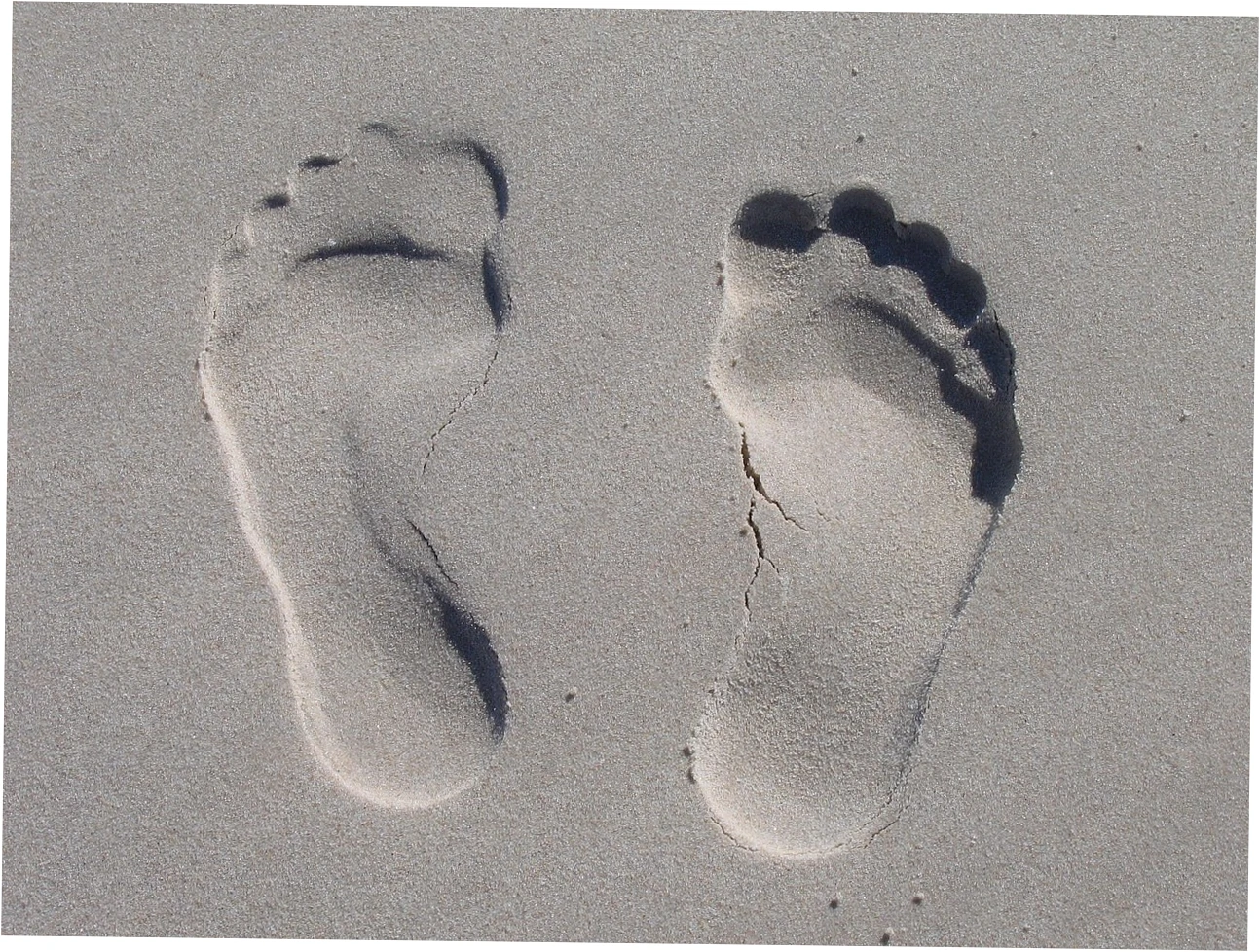
Self-assessment techniques: Here’s an easy way to check – look at your wet footprints on a dry surface. With a normal arch, you’ll see a curved gap along the inner edge, but flat feet leave almost a full footprint.
Another sign is if you have trouble standing on your tiptoes or feel pain in your arch when you try. These checks help you tell the difference between regular pregnancy swelling that goes away after birth, and actual arch changes that might stick around.
Associated Discomfort and Pain Patterns
Pain localization: With pregnancy flat feet, you’ll often feel pain around your inner ankle and arch, especially after you’ve been standing or walking for a while.
This isn’t like regular pregnancy swelling – it specifically comes from putting weight on your feet and usually comes with tired, achy feet. Some women get other problems too, like plantar fasciitis.
where that band on the bottom of your foot gets inflamed and causes sharp heel pain, mostly when you take your first steps in the morning.
Compensatory discomfort: When your feet flatten out, your body tries to compensate, which can lead to pain that travels up to your knees, hips, and lower back.
The altered gait pattern that develops to accommodate flat feet can lead to bunions, hammertoes, or posterior tibial tendon dysfunction. Spotting these connected symptoms helps you figure out what’s just normal pregnancy discomfort and what might be lasting foot changes that need attention.
Permanent Versus Temporary Arch Changes
Postpartum Recovery Timeline
Recovery phases: After having a baby, most women see their arches get higher again within the first six months. This happens because relaxin levels go back to normal and extra fluid in the body goes away.
But those ligaments that stretched out over nine months of pregnancy need time to bounce back. Studies show about 30-40% of women keep some permanent arch changes after their first baby. This number goes up a bit with more pregnancies because ligaments keep getting looser each time.
Several things affect whether your arches recover:
| Factor | High Recovery Likelihood | Lower Recovery Likelihood |
|---|---|---|
| Pre-pregnancy arch type | Previously high arches | Previously low arches |
| Weight management | Returned to pre-pregnancy weight | Retained excess weight |
| Footwear | Consistent arch support | Flat, unsupportive shoes |
| Activity level | Moderate, foot-strengthening exercise | Sedentary or excessive high-impact |
Knowing these factors helps you understand what to expect with arch recovery and shows what might help.
Long-Term Foot Structure Alterations
Permanent changes assessment: You get true permanent flat feet from pregnancy when those arch-supporting ligaments stretch too far and can’t snap back.
This happens more often if you already had somewhat low arches before pregnancy, put on a lot of baby weight, or did activities that stressed your feet when they were already vulnerable.
The posterior tibial tendon, your main arch supporter, can get permanently weakened. This causes adult-acquired flatfoot that sticks around long after you’ve had the baby.
Prevention significance: Temporary flat feet can turn permanent over several pregnancies if you don’t take steps to prevent it. If your arches dropped a lot during your first pregnancy.
you’re more likely to have permanent changes in later pregnancies unless you take preventive measures. Spotting the problem early in your first pregnancy and dealing with it gives you the best chance to avoid long-term foot changes.
Prevention and Management Strategies
Supportive Footwear Selection
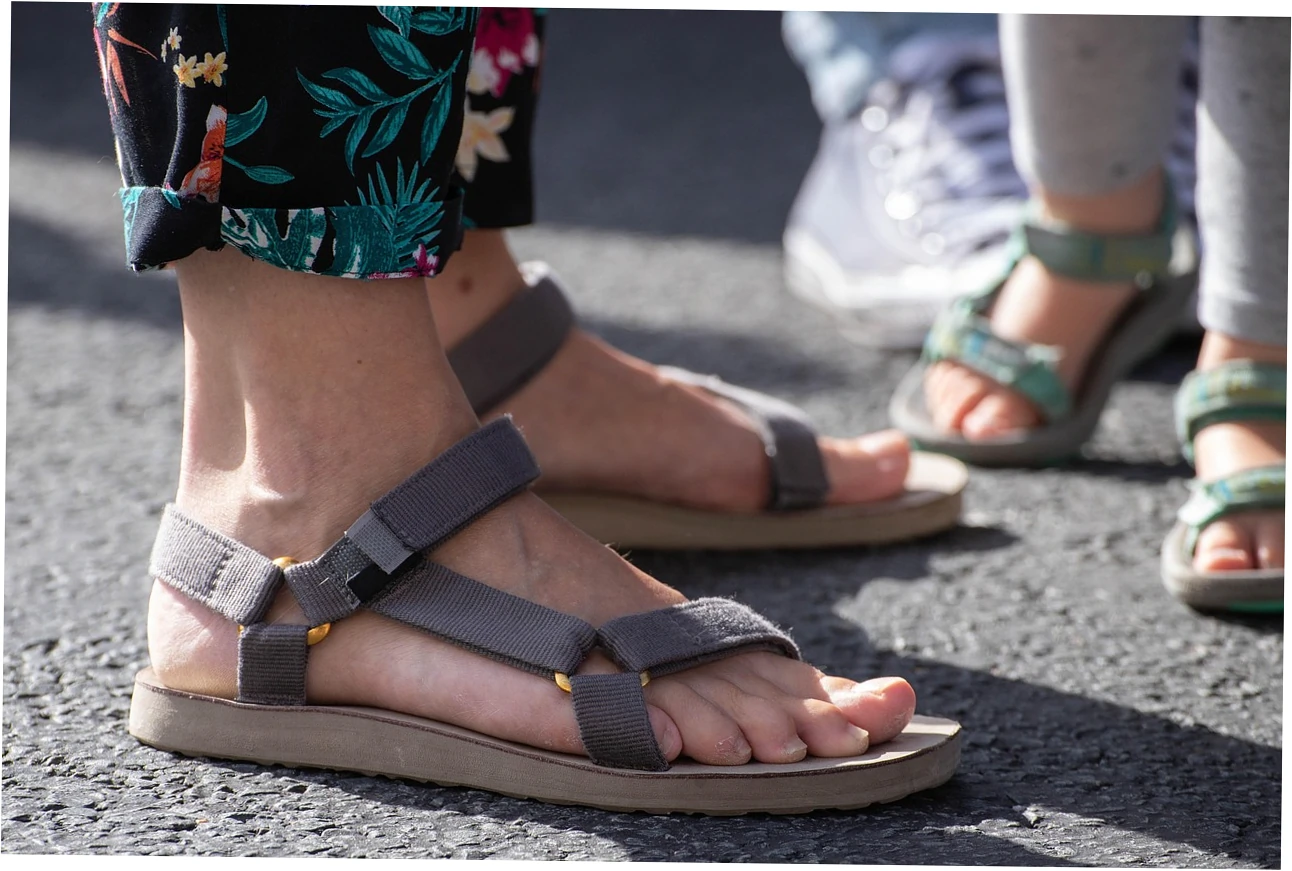
When you’re pregnant, pick shoes that have sturdy heel backs, good arch support, and wide toe areas so your feet have space to spread out. You can also use orthotic inserts to give your arches extra help – they come in different materials from hard plastic for strong support to soft foam if you want something more comfortable. Try to find shoes with GRA certification – that means they’re tested to absorb shock and keep you stable, which really matters when your ligaments are looser during pregnancy and can lead to flat feet.
Practical footwear tips: Don’t go barefoot or wear totally flat shoes since they don’t support your arches at all. Instead, choose shoes with a small heel – about 1 to 2 centimeters – to ease the pull on your Achilles tendon that happens when your arches start falling. Get your shoes fitted later in the day when your feet are more swollen, and don’t be shy about going up half or even a full size to make room for how pregnancy makes your feet expand.
Targeted Exercises and Foot Care
There are some simple exercises that can strengthen your arches when they’re more vulnerable during pregnancy. Try picking up marbles with your toes and moving them between containers – this works those small foot muscles that support your arches.
Towel scrunches are great too – just use your toes to pull a towel toward you for the same kind of strengthening. Do calf stretches with one leg straight back and the other bent forward – this keeps your leg muscles flexible as your arches flatten during pregnancy.
Daily management: Put your feet up above your heart regularly – this cuts down on swelling that makes arch pain worse. Switch between warm and cool water soaks – this boosts blood flow and calms inflammation.
Roll a frozen water bottle under your arch – you get massage and ice therapy together. These easy habits, plus taking regular breaks when you’re on your feet a lot, can really help reduce strain on your arches.
When to Seek Professional Help
Podiatry Consultation Indicators
Warning signs: It’s normal for your arches to drop a bit when you’re pregnant, but some signs mean you should see a doctor. Watch out for really bad pain that stops you from doing everyday things, feet that feel numb or tingly.
noticeable changes in shape, or symptoms that keep getting worse instead of leveling off. If foot pain suddenly makes you unable to do things you used to handle fine, you should get checked by a foot doctor who knows about pregnancy foot changes.
Treatment options: Your foot doctor might suggest special inserts made just for pregnancy, send you to physical therapy to strengthen specific areas, or recommend compression socks to help with swelling.
In cases where posterior tibial tendon dysfunction develops, more structured bracing might be necessary. Getting help early usually gives better results and can stop permanent foot changes that might need bigger treatments after pregnancy.
Postpartum Persistent Symptom Management
Recovery timeline evaluation: If your arches haven’t bounced back much six months after having your baby, or foot pain still messes with your daily life, it’s time to see a professional.
A foot doctor can figure out if your foot changes are mostly structural and need long-term support, or if leftover inflammation and weakness could get better with physical therapy. Tests like weight-bearing X-rays or ultrasound can check your current arch setup and help choose the right treatment.
Long-term solutions:
| Condition Severity | Conservative Treatments | Advanced Interventions |
|---|---|---|
| Mild (asymptomatic) | Supportive footwear, over-the-counter inserts | None typically needed |
| Moderate (occasional pain) | Custom orthotics, physical therapy | Night splints, compression wear |
| Severe (daily limitations) | Rigid orthotics, bracing | Tendon repair surgery (rare) |
Most moms do fine with simple treatments, and surgery is only for really bad cases where nothing else worked and their daily life is still seriously affected.
Summary and Action Plan
Pregnancy really can cause flat feet. Your hormones change and you gain weight, which puts stress on the arches of your feet.
Many women get somewhat better after giving birth, but plenty keep some permanent changes to their feet. To minimize long-term effects, be proactive during pregnancy. Wear good shoes, do specific exercises, and watch your weight.
Understanding why pregnancy causes flat feet and taking preventive steps helps protect your foot health during pregnancy and afterward.
Did your feet change shape during pregnancy? Tell us about it in the comments, or check out our full guide on postpartum foot recovery for rehab tips. Sharing your story might help other pregnant women spot and deal with this common symptom that often gets missed.
Here are some common questions people ask about pregnancy and flat feet
Can pregnancy actually cause permanent flat feet?
Yeah, for some women, pregnancy can definitely cause permanent flat feet There’s this hormone called relaxin that loosens your ligaments for childbirth, and it can permanently stretch out those arch-supporting ligaments in your feet Plus.
all that extra weight and your changing balance during pregnancy really put extra pressure on your feet Now, lots of women’s arches do bounce back somewhat after having the baby, but studies show about 30-40% keep some permanent flattening, especially if they’ve had several pregnancies.
So how can you stop your feet from flattening out when you’re pregnant?
You can try wearing shoes with good arch support, keeping your weight gain in check, doing simple foot exercises like picking up marbles or scrunching towels, not standing for too long.
and putting your feet up often to help with swelling Some moms-to-be find that store-bought or custom shoe inserts really help If you start doing these things early in your pregnancy, you’ll have the best shot at keeping your arches from dropping too much.
Will my feet ever go back to normal after having the baby?
Most women see their arches get much better within 6 to 12 months after giving birth, as your hormones settle down and the swelling goes away But there’s no guarantee your feet will go completely back to how they were before.
especially if those ligaments got stretched out for good How well you recover depends on things like what your arches were like before pregnancy, how you manage your weight, your age, your genes, and whether you take good care of your feet during and after pregnancy.
When should you actually go see a doctor about pregnancy-related flat feet?
You should see a foot doctor if you have really bad pain that stops you from doing everyday things, if your feet are flattening out really fast, if you get numbness or tingling, if you start developing bunions or hammertoes.
or if simple things like resting and wearing supportive shoes just aren’t helping Also, if your arches haven’t bounced back much by 6 months after having your baby, getting checked out can help figure out if custom inserts or physical therapy might do the trick.