Does Excess Weight Lead to Flat Feet?
Your body weight really affects your foot arches, and it’s a big deal for how your body moves. When you carry extra weight, it puts constant pressure on your plantar fascia and the parts that support your foot arch. Over time, this can actually change your foot’s structure. In this article, we’ll look at what science says about obesity causing flat feet, explain how it happens, and give you practical tips to prevent and manage it. Knowing about this link is really important if you’re dealing with foot pain, and it also helps doctors who work with overweight patients.
Table of Content
- 1. How your weight affects your foot structure
- 2. What research shows about obesity leading to flat feet
- 3. Telling apart weight-related flat feet from other kinds
- 4. Ways to manage flat feet when you’re overweight
- 5. How to prevent it and what to expect long-term
- 6. When you should see a doctor about it
- Common questions about whether being overweight can cause flat feet
1. The Biomechanical Link Between Weight and Foot Structure
How Body Mass Impacts Arch Integrity
Mechanical stress explanation: Our feet are pretty amazing – they’re built to carry our body weight while still staying flexible. But when you’re carrying extra pounds, that thick band of tissue running from your heel to toes.
called the plantar fascia, really gets stretched too much. As foot expert Dr. James R. Docherty points out, every extra pound on your body means about three pounds of pressure on your feet when you walk, and that jumps to seven pounds when you run.
All that extra pressure slowly stretches out and weakens the tissues that hold up your arch, which can eventually cause flat feet in people who are prone to it.

The Role of Adipose Tissue in Musculoskeletal Health
Inflammatory factors analysis: It’s not just about the physical pressure either – research shows that body fat actually releases inflammatory substances that can damage your tendons and ligaments.
A 2019 foot study found that overweight people have more of certain chemicals like leptin in their system, and these can actually harm the collagen in your plantar fascia.
So you’ve got this double whammy – too much physical stress plus these damaging chemicals – that really sets the stage for fallen arches, especially if flat feet run in your family.
2. Scientific Evidence: Obesity as a Risk Factor for Fallen Arches
Epidemiological Studies and Clinical Observations
Research shows a clear connection between BMI and flat feet. Multiple long-term studies prove this correlation exists. The Framingham Foot Study tracked 3,000 people for almost ten years.
It found obese people were three times more likely to get flat feet than those with normal weight. Here’s what major studies found about weight and flat feet:
| Study | People Studied | Time Period | Main Result |
|---|---|---|---|
| Framingham Foot Study | 3,200 people | 8 years | Obese people were 3.2 times more likely to develop flat feet |
| National Health Survey | 5,800 adults | One-time study | People with BMI over 30 had 68% more flat feet cases |
| Japanese Worker Study | 1,450 factory workers | 5 years | Every 5 kg weight gain increased flat foot risk by 23% |
Pediatric Flat Feet and Childhood Obesity
This is especially worrying for kids. Extra weight really affects how their foot arches develop. When children are growing, their foot bones and tissues can easily get deformed from too much weight.
A 2020 review looked at 15 studies and found obese kids were 2.8 times more likely to have flexible flat feet than normal-weight children. Getting help early is key. If arches stay stressed too long during growth, the changes can become permanent and last into adulthood.
3. Differentiating Weight-Related Flat Feet from Other Types
Identifying Adult-Acquired Flatfoot Deformity
Here’s how to tell the difference: weight-related flat feet usually get worse over time, especially if you keep gaining weight or as you get older. This isn’t like the flat feet some people are born with.
Adult-acquired flatfoot shows up later in life, after you’ve stopped growing, and comes with more problems than just your arch flattening out. You might feel pain on the inner side of your ankle and foot.
notice some swelling, find it hard to lift your heel while standing on one leg, or see your foot shape changing gradually. These specific signs help doctors figure out if your flat feet come from carrying extra weight, rather than other causes like bone abnormalities or nerve issues.
Assessing Foot Arch Type and Flexibility
So how do doctors check for this? First, they need to see if your flat feet are flexible or rigid. With flexible flat feet, your arch comes back when you’re sitting or not putting weight on your feet, but flattens when you stand up.
This is the kind that’s often linked to being overweight. If your arch stays flat no matter what position your foot is in, that’s rigid flatfoot, which usually means there are bone structure problems.
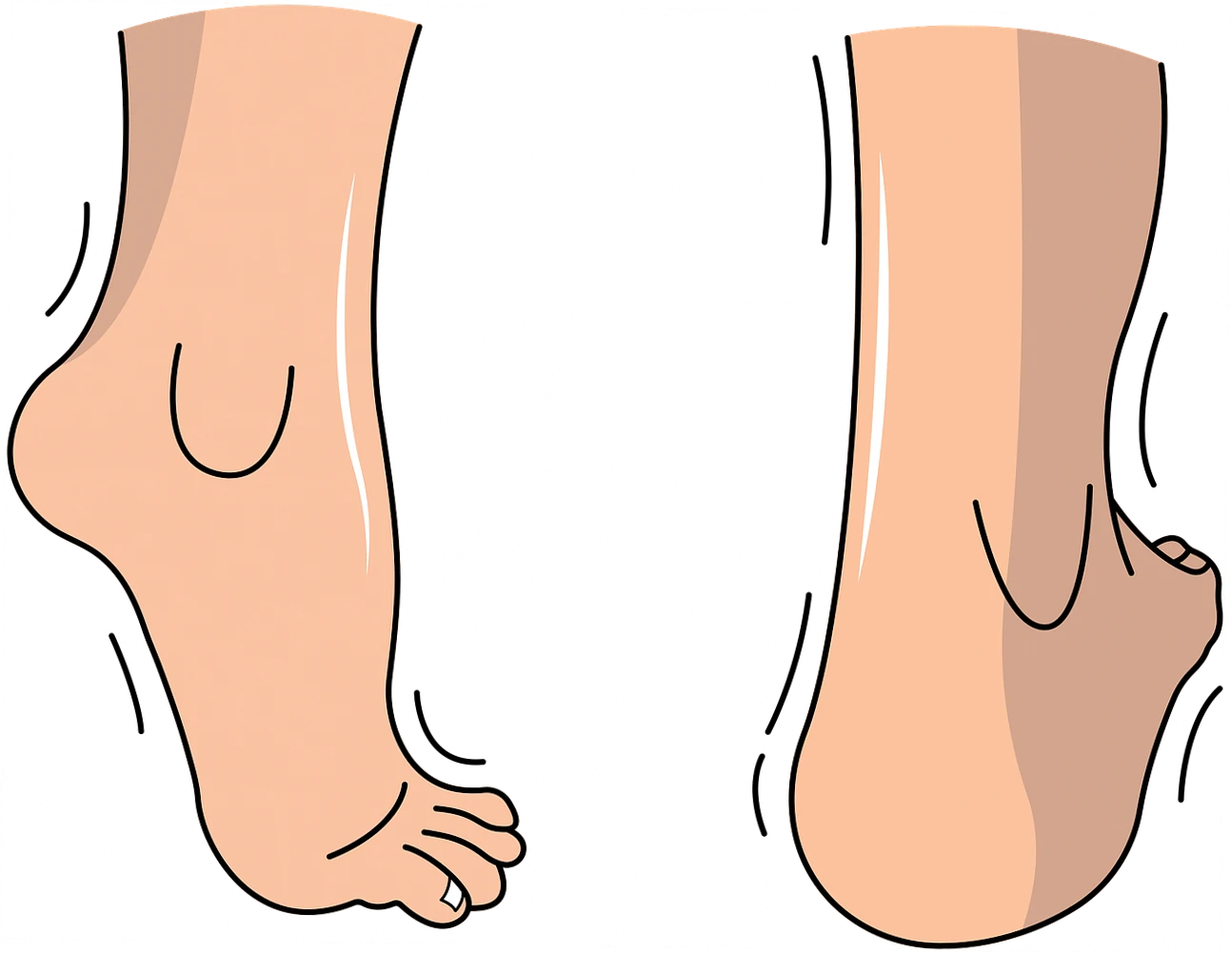
Doctors often spot two things with weight-related flat feet: the too many toes sign, where you can see more toes from behind than usual, and heels that tilt outward. They might use special X-rays taken while you’re standing, or even an MRI, to see how much your soft tissues and joints are affected.
4. Management Strategies for Overweight Individuals with Flat Feet
Weight Management and Foot Health
If you’re overweight and have flat feet, you need a plan that tackles both your weight and how your feet work. Try low-impact activities like swimming, cycling, or using the elliptical machine – they’re great for your heart without pounding your feet.
Eating right means cutting calories in a way you can stick with, but still getting enough protein to keep your muscles and tissues healthy. Podiatry research shows that losing just 5-10% of your body weight can really help with symptoms and stop your arches from getting worse.
Orthotic Interventions and Supportive Footwear
Getting the right orthotics is super important when you’re dealing with flat feet caused by being overweight. Custom arch supports spread out the pressure and give your inner arch the backup it needs.
Dr. Sarah Jenkins, a biomechanics expert, says: With overweight patients, we usually suggest semi-rigid orthotics that have deep heel cups and good arch support to handle that extra foot rolling.
Good shoes with sturdy heels, proper arch support, and enough room for your orthotics round out your foot care plan.
| What to look for | Why it helps | Things to check |
|---|---|---|
| Sturdy heel support | Keeps your heel from moving around too much | When you squeeze it, it shouldn’t squish easily |
| Good arch support | Takes pressure off the bottom of your foot | It should feel helpful but not hurt |
| Wide enough shoes | Stops your feet from getting squeezed sideways | Remember, heavier bodies often mean wider feet |
| Rocker bottom soles | Takes pressure off the front of your foot | Especially good if you have arthritis too |
5. Preventive Measures and Long-Term Outlook
Early Intervention and Regular Monitoring
If you’re carrying extra weight or gaining pounds quickly, checking your feet regularly becomes really important. You can do simple checks at home – look at how your shoes are wearing down, watch for new calluses.
or try the wet test where your footprints show your arch getting flatter over time. Get a professional to check your feet at least once a year, or right away if you start feeling pain in your arch, tired feet, or notice swelling.
Starting early with the right shoes, managing your weight, and doing specific exercises can often stop flat feet from getting worse or at least slow it down a lot.
Strengthening Exercises for Arch Support
You can actually strengthen the muscles that hold up your arches with the right exercises, which helps protect against your arches falling. Try the towel scrunch – just use your toes to pull a towel toward you – it works those small foot muscles really well. Research shows short foot exercises are especially helpful – you lift your arch up without curling your toes, basically making your foot shorter. Don’t forget to stretch your calves and Achilles tendon too – when these get tight, they can actually make your arches flatten more when you walk.
6. When to Seek Professional Care
Recognizing Signs Requiring Medical Attention
Symptom awareness: When you gain weight, your arches might drop a bit, but some signs mean you should see a doctor right away. Watch out for sudden foot shape changes, pain that messes with your daily routine.
shoes that don’t fit anymore, swelling that sticks around, or nerve issues like numbness or burning feelings. Foot doctors can check you out thoroughly – they’ll watch how you walk, maybe do some scans, figure out what’s going on with your feet, and suggest the right treatment.
Treatment Options for Advanced Cases
Therapeutic intervention overview: If basic treatments don’t help enough, there are other medical options to try. physical therapy that focuses on how your feet move can really make you feel better.
For worse cases, shockwave therapy might help heal the tissue on the bottom of your foot. If you’ve got really bad flat feet that nothing else fixes, surgery could be an option – things like moving tendons or fusing joints – but doctors only suggest this after trying everything else.
| Stage | Characteristics | Recommended Interventions |
|---|---|---|
| Early | Mild arch lowering, occasional fatigue | Weight management, supportive footwear, exercises |
| Moderate | Visible arch collapse, regular discomfort | Custom orthotics, physical therapy, activity modification |
| Advanced | Significant deformity, pain with walking | Immobilization, specialized bracing, surgical consultation |
So here’s the bottom line – we know for sure that being overweight can cause flat feet, both from how feet work and what doctors see in practice. All that extra weight puts constant pressure on your feet’s support system, which can slowly make your arches fall, especially if you have other risk factors too. But the good news is, by managing your weight, choosing the right shoes, and doing specific exercises, most people can either prevent flat feet or keep them under control. Just remember – if you deal with weight-related foot problems early, you’ll usually get the best results.
Have your foot arches changed when your weight goes up or down? Tell us about it in the comments, or check out our full guide on picking the best shoes for flat feet to take better care of your feet.
FAQ About can being overweight cause flat feet
If you lose weight, can it fix flat feet?
Losing weight really helps with flexible flat feet symptoms and stops them from getting worse. But whether they go away completely depends on a few things – like how long you’ve had them, how bad they are, your age, and your natural foot shape.
Lots of people feel much better and their feet work better after losing weight, especially when they also do exercises to strengthen their feet.
How much weight do you need to gain to get flat feet?
There’s no exact number because it’s different for everyone – your foot type, genes, how active you are, and where you carry weight all matter. Studies show the risk goes up as your BMI increases, and it gets much higher once your BMI passes 30.
Putting on weight quickly is riskier than gaining it slowly, since your feet and legs don’t have enough time to adjust.
If you’re overweight, are flat feet there to stay?
Not always. If your flat feet came from being overweight and they’re still flexible – meaning your arch comes back when you’re not standing – then losing a good amount of weight along with taking care of your feet and doing strengthening exercises can make a big difference. But if you’ve had flat feet for many years, some changes might stick around because the supporting tissues have already stretched out or shortened to adapt.
What shoes work best when you’re overweight and have flat feet?
Look for shoes with sturdy heel support, good arch support, enough width so your feet aren’t squeezed, and features that keep your feet stable and prevent too much movement.
Motion control or stability walking shoes are usually great choices, but stay away from minimalist or super flexible shoes since they don’t give enough support. Shoes where you can take the insoles out are handy because you can put in custom orthotics if you need them.