What causes sudden flat feet in adults?
When your foot arches collapse quickly, it’s really painful and pretty scary. This isn’t like childhood flat feet that develop slowly – adult flatfoot comes on fast and gets worse quickly. Usually just one foot gets this sudden flatfoot condition, and you’ll notice clear signs like pain on the inner ankle, swelling around the tendon, and trouble standing on your toes. Figuring out what causes this sudden foot arch collapse is key to getting the right treatment, since the reasons can be anything from sudden injuries to health problems that weaken your foot’s support system.
Table of Content
- 1. Understanding the Mechanics of Sudden Arch Collapse
- 2. Primary Causes of Rapidly Developing Flat Feet
- 3. Underlying Medical Conditions Triggering Arch Collapse
- 4. Identifying Symptoms of Rapidly Progressing Flatfoot
- 5. Diagnostic Approaches for Sudden Flat Feet
- 6. Immediate Interventions and Long-Term Management
- FAQ About flat feet sudden onset causes
1. Understanding the Mechanics of Sudden Arch Collapse
The Posterior Tibial Tendon’s Critical Role
Core mechanism: Your posterior tibial tendon is the main thing that keeps your foot arch stable – it runs from your calf muscle down to the inner foot bones.
When this tendon becomes inflamed, stretched, or torn—a condition called posterior tibial tendon dysfunction (PTTD)—it can no longer adequately support the arch structure.
Once it fails, everything starts to go wrong – your arch slowly drops, your heel bone moves outward, and your forefoot might twist, giving you that classic flatfoot look.
This whole process from just a sore tendon to your arch totally collapsing can take weeks or months, but it feels sudden to most people because they only notice when it gets bad enough to mess with their daily life.
Supporting Structures and Their Vulnerability
Secondary supports: Besides that posterior tibial tendon, you’ve got other parts helping keep your arch up too – like the spring ligament, plantar fascia, and some other connecting tissues.
If any of these supporting structures get damaged, your arch can drop pretty quickly. The spring ligament is especially at risk – it supports a key foot joint and wears out easily when there’s too much pressure.
When both the main tendon and the supporting ligaments give out at the same time, your arch can collapse really fast and dramatically. That’s why some people say they woke up with flat feet almost overnight – usually after some injury or when they’ve been extra active.
2. Primary Causes of Rapidly Developing Flat Feet
Posterior Tibial Tendon Dysfunction (PTTD)
PTTD is actually the top reason adults develop flat feet suddenly. It starts with tendon sheath inflammation and gradually gets worse, leading to tendon tearing over time.
People who already have flexible flat feet are more likely to get this, since their tendons are already under extra strain. Middle-aged women get hit with this more often.
maybe because hormones can affect how strong their connective tissues are. Here’s how PTTD typically progresses through different stages:
| Stage | Characteristics | Treatment Approach |
|---|---|---|
| I | Tendon inflammation, mild pain, normal arch | Rest, immobilization, physical therapy |
| II | Flexible deformity, noticeable arch collapse | Bracing, orthotics, possible tendon transfer |
| III | Rigid deformity, arthritic changes | Joint-sparing osteotomies |
| IV | Ankle involvement, valgus tilt | Arthrodesis procedures |
Now let’s look at acute trauma and ligament injuries.
Serious injuries like broken ankles, Lisfranc injuries, or bad sprains can instantly wreck your foot’s structure. Lisfranc injuries are especially bad – they often make your arch collapse right away because they damage the joint complex that holds up your arch. You usually get these injuries from car crashes, high falls, or sports impacts where your foot takes a really hard hit. If you don’t get the right treatment early on, what starts as a simple injury can turn into permanent flat feet that needs major surgery to fix.
3. Underlying Medical Conditions Triggering Arch Collapse
Inflammatory Arthritis and Autoimmune Disorders
When you have systemic inflammation from conditions like rheumatoid arthritis or psoriatic arthritis, it can quickly damage your foot arch. The inflammation weakens the joints and ligaments that hold up your arch.
These conditions gradually destroy joints that are super important for keeping your arch up, especially the subtalar and talonavicular joints. People often see their arch start to flatten during flare-ups.
and sometimes the change happens in just months instead of taking years. Getting treatment early for the inflammation is really important to stop permanent damage to your foot’s structure.
Neurological and Muscular Disorders
Neuromuscular problems like Charcot-Marie-Tooth disease cause nerve damage and muscle weakness that mess with how your foot works. This creates muscle imbalances in your foot that slowly push your arch down over time.
Nerve issues like tarsal tunnel syndrome can also weaken the small muscles inside your foot that normally support your arch when you walk. Here’s how different nerve conditions can lead to acquired flatfoot:
| Condition | Mechanism | Progression Speed |
|---|---|---|
| Charcot-Marie-Tooth | Peroneal muscle weakness, unopposed pull of tibialis posterior | Gradual over years |
| Tarsal Tunnel Syndrome | Compression of posterior tibial nerve, intrinsic muscle weakness | Months to years |
| Diabetic Neuropathy | Sensory loss, unrecognized microtrauma, Charcot arthropathy | Can be rapid (weeks) |
4. Identifying Symptoms of Rapidly Progressing Flatfoot
Early Warning Signs and Red Flags
Symptom recognition: When adult-acquired flatfoot starts developing, you’ll usually notice some early warning signs. These often include pain and swelling on the inner side of your ankle and foot.
especially behind that bony bump we call the inner ankle bone. Many people say they struggle to stand on their tiptoes. Others feel like their foot might collapse or give out when they’re active.
As flatfoot gets worse, you might see your heel start tilting outward. Your arch can also look much flatter, especially if you compare it to your other foot.
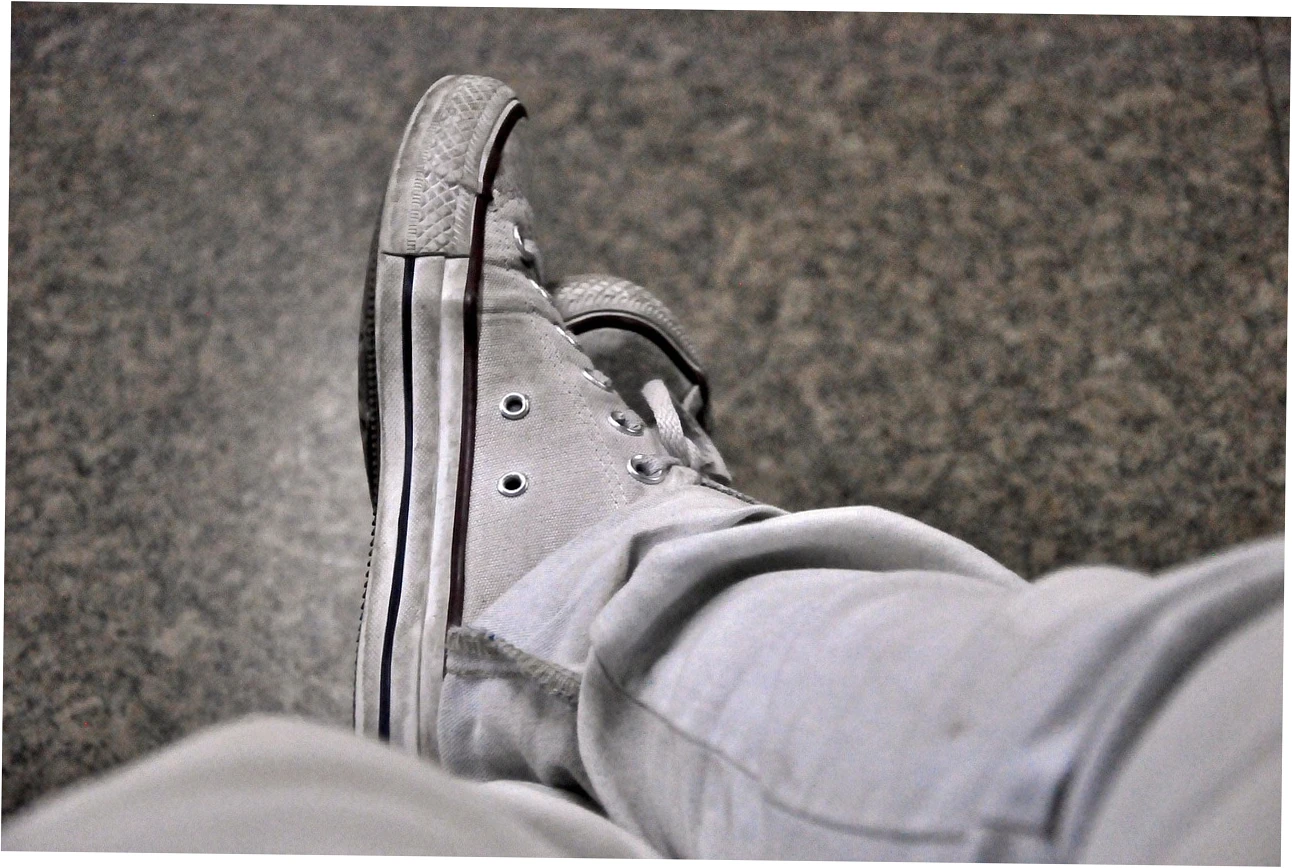
Lots of folks first realize something’s wrong when their shoes don’t fit right anymore. Another clue is spotting weird wear patterns on the bottom of their shoes.
Functional Limitations and Gait Changes
Movement alterations: Besides physical changes in your foot’s shape, how your foot functions also gives doctors important clues. When someone looks at your feet from behind, they might see what doctors call the too many toes sign.
This happens because your forefoot shifts outward. You might feel tired or sore after walking awhile. Uneven ground can also make you feel less steady on your feet. Some people notice their feet slap down when they walk.
This happens because as your arch flattens, your foot loses its natural shock absorption. When these changes start really affecting your daily life or workouts, that’s usually when people decide to see a doctor.

5. Diagnostic Approaches for Sudden Flat Feet
Clinical Examination Techniques
First up in a physical assessment, doctors check how you stand and walk to spot any alignment issues. One key test is the single heel rise, where you try to lift your heel on the sore foot to see how well your posterior tibial tendon works.
If that’s hard to do, it could point to posterior tibial tendon dysfunction. From behind, if they see too many toes, that means your forefoot is splaying out.
and they’ll check if your flat foot is flexible or stuck in place. They also press around to find tender spots, especially along that posterior tibial tendon.

Imaging and Advanced Diagnostic Tools
For a clear picture, weightbearing X-rays show how your bones line up, the space in your joints, and any wear-and-tear. An MRI is great for checking soft tissues like your posterior tibial tendon and spring ligament.
Ultrasound lets them watch your tendons move and spot any tears or swelling. For tricky cases or if surgery might be needed, a CT scan gives a detailed look at your bone structure. Together, these scans help figure out why your arch suddenly collapsed, how bad it is, and what treatment to follow.
6. Immediate Interventions and Long-Term Management
Conservative Treatment Strategies
For non-surgical treatments, we first try to ease symptoms and stop things from getting worse. This usually means wearing a walking boot or cast to give your inflamed foot structures a good rest.
Custom shoe inserts with arch support and heel stabilization can control weird foot movements. If your flat feet are more serious, rigid ankle braces offer stronger support.
Physical therapy helps strengthen your muscles, especially that important posterior tibial tendon. It also retrains how you walk. Anti-inflammatory drugs or cortisone shots might ease your pain for a while. But be careful with the shots – they could weaken your tendons over time.

Surgical Options for Advanced Cases
If those regular treatments don’t stop your flat feet from getting worse, you might need surgery. Which surgery you get depends on how flexible your foot still is, what joints are affected, and what you need to be able to do day-to-day.
Surgeons have different options – from cleaning up and moving tendons in early cases, to cutting and realigning bones to fix your foot’s structure. If your foot has stiffened up or developed arthritis.
fusing the joints might be the only way to get you back to a stable, flat-walking foot. When you have the surgery really matters. Getting it done earlier usually saves more joint movement and function than waiting until your deformity gets really bad.
When flat feet suddenly appear in adults, it’s a major change in how your feet work. You should see a doctor quickly to stop it from turning into worse deformity or disability.
The causes can be all over the map – from tendon problems and injuries to inflammatory conditions. Each cause needs its own specific diagnosis and treatment plan. Catching it early usually leads to much better results.
That’s why spotting those first symptoms is so crucial. If your arch is suddenly collapsing or your foot hurts for no clear reason, see a foot specialist right away. Get evaluated properly before things get worse.
Have you spotted any recent changes in how your foot looks or how high your arch is? Share what you’re going through in the comments below. Or check out our detailed guide on flatfoot treatments to see what options you might have.
FAQ About flat feet sudden onset causes
Can adults suddenly get flat feet?
Yes, while true congenital flat feet are present from childhood, adults can develop acquired flatfoot deformity rapidly due to conditions like posterior tibial tendon dysfunction, trauma, or inflammatory arthritis.
It might feel sudden because you often don’t notice symptoms until there’s already some damage to your foot structure.
So what usually causes your arch to suddenly collapse?
Posterior tibial tendon dysfunction (PTTD) represents the leading cause of acquired adult flatfoot. It starts with inflammation in that important tendon, then gets worse as the tendon stretches out and can even tear over time.
Are some people more likely to develop flat feet suddenly?
Yes, several things raise your risk – like being overweight, having high blood pressure or diabetes, past ankle injuries, or doing lots of high-impact sports. Middle-aged women get it more often, maybe because hormones can affect their connective tissues.
When should you see a doctor about flat feet that come on quickly?
Get checked out right away if you have pain on the inside of your ankle or foot, notice your arch getting flatter, can’t stand on your toes easily, or your shoes suddenly fit differently. Catching it early usually means you’ll have more treatment choices and better results down the road.