Barefoot or Orthopedic Shoes for Flat Feet?
If you have flat feet, picking the right shoes is a big deal. It really affects how comfy you feel every day and your foot health down the road. The whole argument usually boils down to two different ideas. On one side, you’ve got minimalist barefoot shoes. They’re all about letting your foot move naturally and get stronger. On the other side, there’s structured orthopedic footwear. That kind is built to give your foot outside support and help correct its position. So, let’s compare them. We’ll look at how they work with your body’s mechanics, what the science says, and what people’s real-life experiences are for dealing with flat feet. This should help you figure out your own choice, which can be pretty confusing.
Table of Content
Let’s start by understanding flat feet and the basics of footwear.
First, we need to look at how flat feet, or pes planus, actually work.
The core idea is this: flat feet mean your foot’s main arch collapses. This causes overpronation, which is when your ankle rolls inward too much when you walk.
This change in how your foot moves can put a lot of strain on your plantar fascia, your Achilles tendon, and even your knees. Traditional foot doctors usually see this as a structural problem that needs fixing.
But the barefoot shoe crowd thinks differently. They believe it might happen because the small muscles inside your foot get weak from always wearing supportive shoes.
Back in 2017, a review in a foot research journal pointed out that arch-supporting insoles actually make your foot muscles work less. Fans of minimalist shoes say this could make those muscles waste away even more.
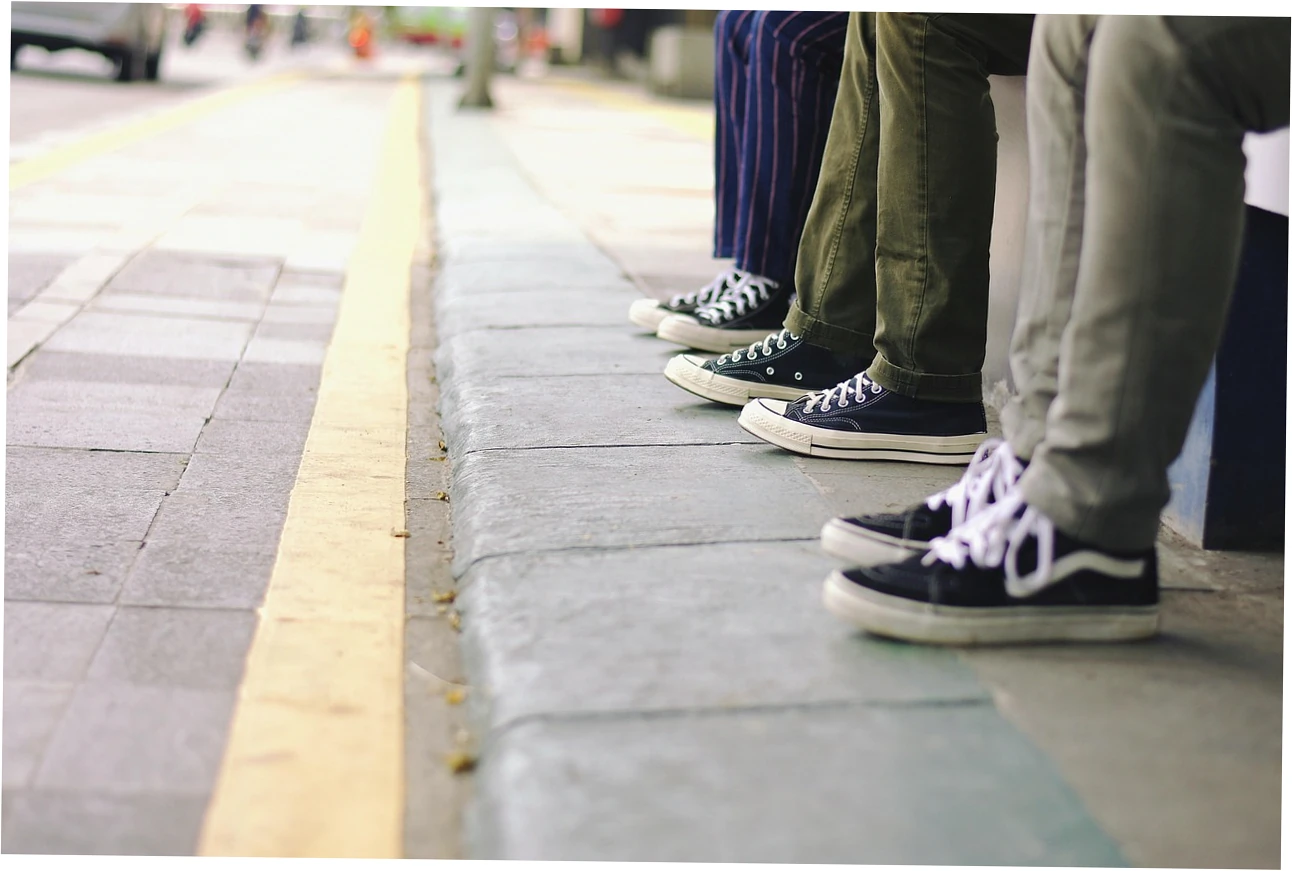
So, we have two main philosophies: one is about support, the other is about strength.
Here’s the big difference. Orthopedic shoes and custom inserts work on a support and correct model. They use stiff arch supports, strong heel cups, and special features to control motion.
Their goal is to realign your foot, cut down on that inward roll, and spread out the pressure. On the flip side, barefoot-style shoes take a stimulate and strengthen approach.
These shoes have flat soles with no heel lift, wide toe boxes for your toes to spread out, and thin, flexible materials. This lets your foot move naturally and feel the ground.
all to help rebuild your foot muscles and your sense of where your foot is in space. Your choice really comes down to this: do you want quick pain relief, or are you aiming for long-term rehab to make your feet stronger?
Now, let’s talk about orthopedic shoes. They’re all about structured support for fallen arches.
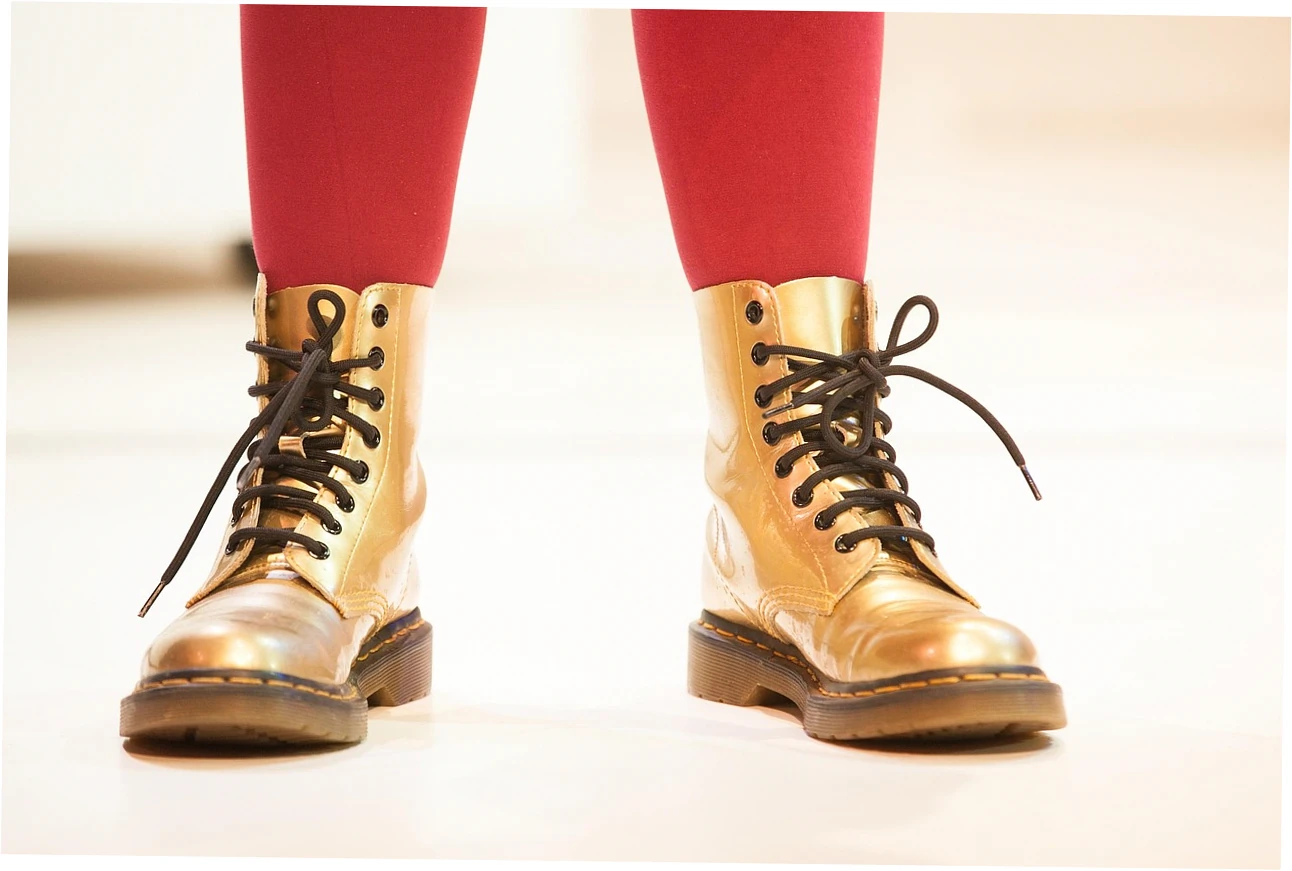
What do they look like, and what are they trying to do?
The key parts are these: prescription orthopedic shoes for flat feet are built with special parts meant to correct your foot. A stiff heel cup stabilizes your back foot. A special heel that’s longer on the inside fights overpronation.
And a firm, shaped arch support holds the middle of your foot in a neutral spot. These shoes usually have a very straight or only slightly curved shape to make room for orthotic inserts.
Their main job is to take stress off overworked ligaments, like the plantar fascia and a tendon on the inside of your ankle. This is super important for people with painful, flexible flat feet or related issues like PTTD.
| Feature | Purpose | Typical Materials |
|---|---|---|
| Rigid Heel Counter | Controls rearfoot motion, prevents excessive heel roll-in | Thermoplastic, reinforced leather |
| Firm Arch Support | Lifts and supports the collapsed medial arch | EVA foam, polypropylene, custom-molded materials |
| Motion Control Midsole | Limits medial compression and overpronation | Dual-density EVA, thermoplastic urethane posts |
| Extended Medial Heel (Thomas Heel) | Provides extra support on the inner heel to counter pronation | Durable rubber or composite |
What does the science say, and who are these shoes best for?
There’s solid evidence behind this. Plenty of studies show that foot orthoses really do help reduce pain and improve how well you can move if you have painful flat feet.
One big analysis in a sports medicine journal concluded that both store-bought and custom orthotics work well for heel pain, which is often tied to flat feet.
Doctors especially recommend orthopedic shoes for adults who have rigid flat feet—meaning the arch is gone even when you’re sitting down—or if they have bad arthritis, nerve problems, or a painful, inflamed foot condition.
People who use them often talk about getting pain relief right away, especially when they have to stand or walk for a long time. For folks with really bad symptoms, that can change everything.
Now, let’s switch gears to barefoot shoes. They’re the minimalist way to deal with arch health.
What’s the idea behind them?
The basic idea is simple: barefoot or minimalist shoes try to copy the feeling and mechanical benefits of walking barefoot. Their thin, bendy soles let you feel the ground better and improve your foot’s awareness.
This encourages you to land on the front or middle of your foot, which might lessen the impact shock compared to landing on your heel. The wide toe box lets your toes spread out naturally.
This gets muscles working—like one that helps pull your big toe away from the others—which actually supports your arch. People who love these shoes say modern supportive shoes are like a cast. They think it weakens the small muscles inside your foot.
There’s research that backs this up. A study from the University of Vienna, for example, showed that foot muscles got bigger and stronger after people switched to minimalist shoes.

Switching over isn’t instant, but there can be some great benefits.
You have to take it slow. Switching to barefoot shoes needs a careful transition that can take months. If you rush it, you could get hurt with things like stress fractures or really bad calf pain. Start by just wearing them for short, easy walks.
Then, little by little, wear them for longer. This whole process is about rebuilding strength in your feet. The goal is to end up with a tougher arch that supports itself.
Lots of stories from the minimalist running world talk about having less chronic knee pain and better balance after a while. But, people seem to notice the most benefits if they have flexible flat feet—where your arch shows up again when you sit down. This suggests the problem is more with muscles, not the bones themselves.
| Aspect | Orthopedic Shoes | Barefoot/Minimalist Shoes |
|---|---|---|
| Arch Support | High, rigid external support | None; relies on natural arch strength |
| Heel-to-Toe Drop | Often elevated (8-12mm) | Zero-drop (0mm) |
| Sole Flexibility | Stiff, especially through the midfoot | Highly flexible, bends easily |
| Toe Box Width | Standard, often tapered | Wide, foot-shaped |
| Primary Goal | Symptom management amp; correction | Rehabilitation amp; strengthening |
Let’s put barefoot shoes and orthopedic shoes head-to-head for managing flat feet.
Pain Relief and Long-Term Outcomes
When it comes to pain relief, orthopedic shoes usually work faster. They fix your alignment and take pressure off your tissues right away. So if you have plantar fasciitis, you might walk pain-free from the very first day.
Barefoot shoes are different. At first, they might make your feet more sore because your muscles have to work harder. But if you stick with them long-term to build strength, you could see benefits later on.
like a stronger arch on its own and less joint pain. A 2020 study told the story of one person with flexible flat feet. After a full year wearing minimalist shoes, their arch got higher and their knee pain went away. But hey, that doesn’t happen for everyone.
Risk Factors and Contraindications
It’s important to know the limits. If you only wear orthopedic shoes and never do any exercises, your foot muscles might get weak. Barefoot shoes can be risky if you don’t use them right.
You could end up with stress fractures in your foot, bad Achilles tendon pain, or worse problems if you already have rigid flat feet, very loose ligaments, or nerve damage from diabetes.
Doctors usually say barefoot shoes are a bad idea for rigid flat feet. Before you pick a side, it’s super important to see a foot doctor or physical therapist. They can check out how your body moves because everyone’s feet and problems are different.
Here’s a practical guide to help you make an informed choice.
First, let’s figure out your foot type and what you’re aiming for.
Start by checking if your flat feet are flexible or rigid. With flexible feet, you’ll see an arch when you’re not standing. Rigid feet stay flat all the time. Then, think about your main goal. Do you need quick pain relief just to get through the day?
Or are you looking for a long-term fix to get more active? Your daily activities really matter here. A construction worker will probably need the strong support of orthopedic boots.
But someone who loves yoga might do great in minimalist, or barefoot, shoes. Also, pay attention to your pain. Does it get worse when you’re active, or does it actually feel better?
All this self-check info is super useful. It gives you a solid starting point for a good chat with your doctor or physical therapist.
Mixing Both Worlds: Try a Hybrid Plan
For a lot of people with flat feet, the best plan is to mix and match. You can wear supportive orthopedic shoes for long days at work or for tough workouts. This helps manage pain.
Then, switch to barefoot shoes for short, easy walks, doing foot exercises, or just wearing them around the house. This wakes up and strengthens your foot muscles. No matter which shoes you pick, don’t forget specific foot exercises.
Things like spreading your toes, the short foot exercise, and stretching your calves are key. This hybrid strategy is smart. It gives you the support you need right now, but also helps build stronger.
more resilient feet for the future. Many forward-thinking physical therapists are big fans of this approach.
Conclusion and Actionable Steps
When it comes to flat feet, there’s no one-size-fits-all answer in the barefoot shoes vs orthopedic shoes debate.
It’s really about picking what works best for your own feet and daily life. Orthopedic shoes give solid, quick support if your flat feet are painful or stiff.
On the other hand, barefoot or minimalist shoes are great for building foot strength, especially if your flat feet are flexible and don’t bother you much. The smartest move?
Get a pro to check your feet, be real about your pain and goals, and maybe even mix both approaches—some support plus some strengthening.
So, what’s your next move? Drop your own stories or struggles with flat feet shoes in the comments. Your experience might really help someone else figuring this out. Want more details on foot exercises or understanding a gait analysis? Check out our other guides on foot health and rehab.
Here are some common questions about barefoot shoes and orthopedic shoes for flat feet.
Can barefoot shoes really fix flat feet?
They might help flexible flat feet get better. How? By strengthening the small muscles that hold up your arch. Over months or even years, your arch could sit a bit higher. But don’t expect them to fix rigid flat feet.
That’s usually from bones being fused or a major structural issue. The real aim is to work better and hurt less, not to get a picture-perfect arch.
Are orthopedic shoes the only option for painful flat feet?
Nope, they’re just one good option out of a few. For lots of people, the best results come from mixing things up: good supportive shoes, specific foot exercises, and maybe even custom insoles.
Sometimes, just doing physical therapy can cut down pain and boost function a lot, so you don’t always need super-structured shoes forever.
How long should you take to switch to barefoot shoes if you have flat feet?
To do it safely, plan on 4 to 6 months. Start by wearing them only 15-20 minutes a day, then slowly add more time. If you rush it, that’s how most people get hurt—think stress fractures or bad tendonitis. Pay attention to your body. A little muscle ache is normal, but sharp pain means stop.
Can you put orthotics in barefoot shoes?
Well, you technically can, but it kinda ruins the whole point of barefoot shoes. Barefoot shoes have thin, bendy soles and no heel drop for a reason: to let your foot move naturally and feel the ground.
Sticking a rigid orthotic in there blocks that feeling and changes how your foot works. If you really need orthotics, you’re better off with a regular supportive shoe.