Can flat feet wear barefoot shoes safely?
If you have flat feet, thinking about switching to minimalist shoes can make you both curious and a bit worried. For a long time, the common advice was clear: flat feet need lots of arch support and shoes that control your foot’s movement. But now, more and more stories from people and even some foot doctors are saying something different. They suggest that if you transition carefully to barefoot-style shoes, it might actually help. For some folks, it can strengthen those small foot muscles and make you more aware of how your feet are positioned. This isn’t about ditching your supportive shoes all at once. It’s a slow, intentional journey. The goal is to adapt gradually, focusing on your foot’s health, training your body’s sense of position (that’s proprioception), and building up strength in the muscles of your feet and lower legs that don’t get used much. To make it work, you need to understand your own unique feet, start off super slow, and really pay attention to what your body is telling you the whole time.
Here’s what we’ll cover:
Let’s talk about flat feet and the whole barefoot shoe idea.
First, what are flat feet and minimalist shoes?
So, flat feet mean your foot’s arch is pretty low or collapsed. This often makes your ankle roll inward too much when you walk or run—that’s called overpronation. But flat feet aren’t all the same.
Some are flexible, meaning you can see an arch when you’re not standing. Others are rigid and stay flat all the time. On the other hand, barefoot or minimalist shoes have a few main things going on.
The heel isn’t raised—it’s level with the front of your foot. The sole is thin and bendy so you can feel the ground. They’ve got a wide toe area so your toes can spread out naturally.
And you won’t find the usual arch support or stability features in them. The whole point is to let your foot move freely, like it’s supposed to. The idea is to build up your foot’s own strength instead of always depending on shoes for support.
Here’s my story: I have flexible flat feet, and I switched to barefoot shoes. I did it mainly because my knees hurt all the time. The usual supportive shoes didn’t fix the problem. My foot doctor explained things.
She said sure, my arches are low, but my feet are flexible and I don’t have arthritis. That’s a really important difference. She warned me that switching over had to be super slow. She compared it to building up a weak muscle after an injury.
That advice was key. It made me see the process not as just throwing away support, but as a careful plan to strengthen my particular kind of feet.
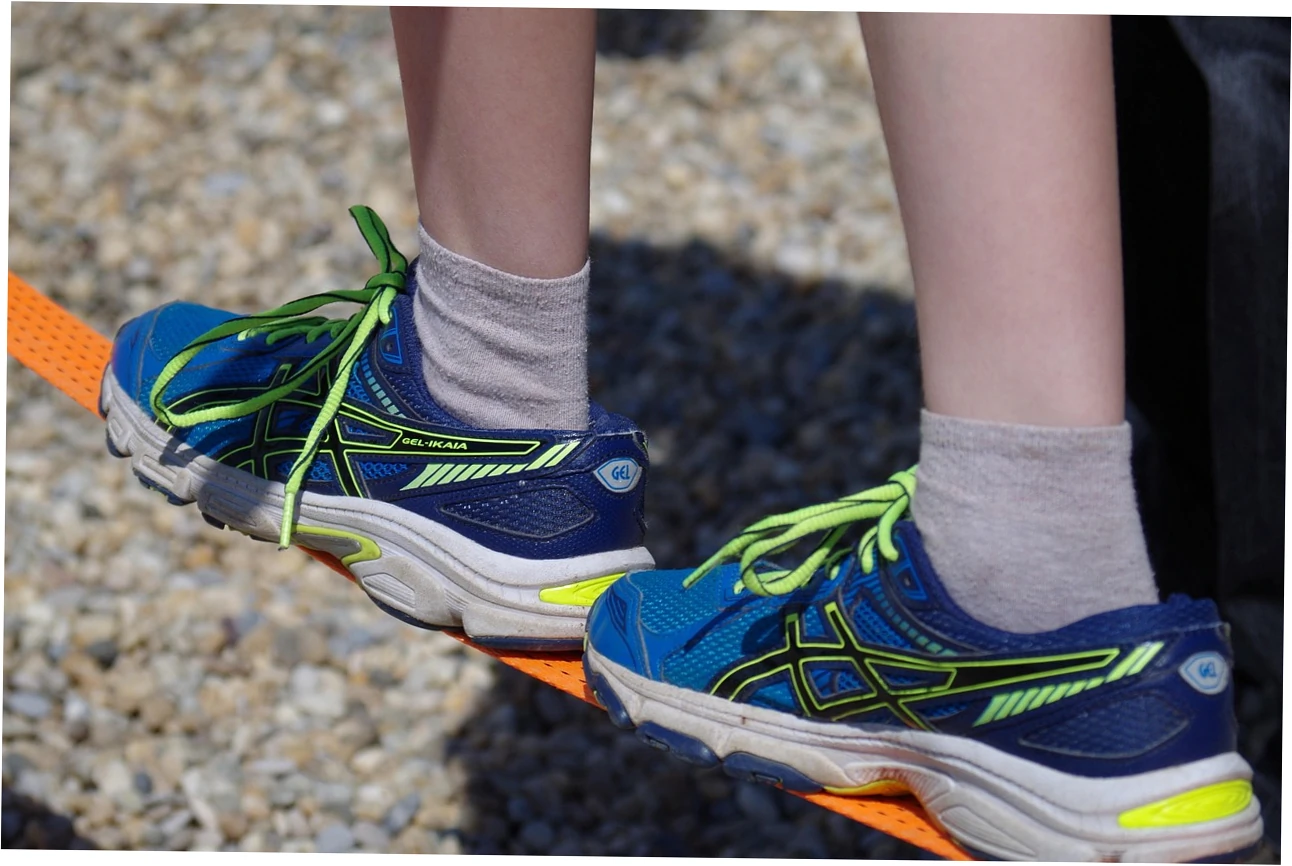
So, why do it? Let’s weigh the possible good stuff against the risks.
What are the potential benefits? Fans of the switch say that for the right people, it can strengthen muscles in your lower leg and inside your foot. Over time, this might help build a tougher, more natural arch.
You might also get better balance and body awareness. That’s because the thin soles let you feel the ground more, giving your brain better feedback. This often makes people land more gently and carefully when they walk or run.
which could mean less shock on your joints. A 2016 research review pointed out that minimalist shoes can change how you walk, making you land more on the front of your foot, and they can make foot muscles bigger. But it really stressed that you have to take it slow to avoid getting hurt.
Now, the risks and downsides are serious, and we have to talk about them. Switching too fast is the main reason people get hurt. We’re talking stress fractures, really bad heel or Achilles tendon pain.
If you have rigid flat feet, certain bone alignments, or a problem with an important tendon in your ankle, barefoot shoes might be a bad idea for you. Here’s a quick breakdown of who it might work for and who it might not:
| It might work for you if: | It’s probably not a good fit if: |
|---|---|
| Your flat feet are flexible and not caused by arthritis. | Your flat feet are rigid and painful. |
| You haven’t had a recent foot or ankle injury. | You have an active problem with that key ankle tendon. |
| You’re patient and ready for a switch that takes many months. | You’re looking for a fast solution to pain. |
| You’re willing to do foot-strengthening exercises too. | You don’t want to change how you walk or run. |
Pre-Transition Assessment and Footwear Selection
Conducting a Self-Assessment and Seeking Professional Advice
Core Action: Before you buy your first pair of barefoot shoes, you really need to check in with your own feet first. Try the wet foot test—just wet your foot and step on some cardboard. Then, take a look at the print it leaves.
If you see a full imprint, that’s a sign of a flat arch. But what’s even more important is checking your foot’s flexibility. Sit down and see if an arch pops up when you lift your foot off the ground.
If an arch shows up, then you’ve got flexible flat feet. Also, watch out for any pain on the inside of your ankle or arch, since that might point to PTTD.
Here’s the crucial step: talk to a sports podiatrist or physio who knows their stuff about switching to minimalist shoes. They can analyze your walk, check out your unique body mechanics.
and give you the lowdown on the pros and cons for you personally. Skipping this step isn’t an option if you want to stay safe.
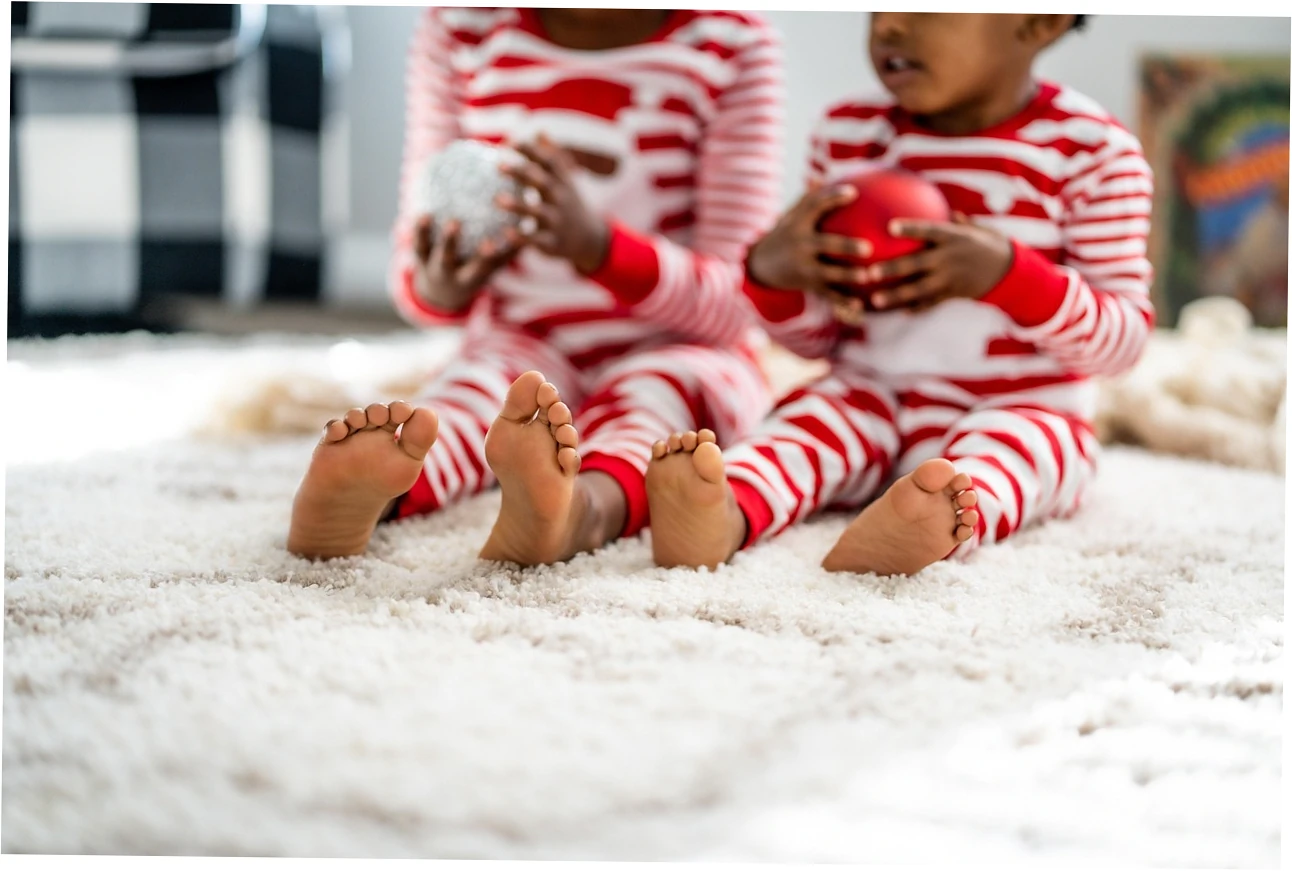
Choosing the Right Transitional Minimalist Shoe
Selection Criteria: Don’t just grab the most bare-bones shoe you can find right away. Look for shoes that are made for transitioning. These have a bit more sole to them and might be a tad wider for stability.
but they keep that zero-drop and flexible feel. Make sure the toe box is truly wide—your toes shouldn’t feel squished at all. Brands like Altra, Lems, and some Vivobarefoot styles are good places to start.
The goal is to find a shoe that gets rid of the lifted heel and thick cushion, but isn’t so thin that it feels like you’re walking directly on concrete. Here’s a comparison framework:
| Feature | Ideal for Initial Transition | What to Avoid Initially |
|---|---|---|
| Heel-to-Toe Drop | Zero-drop (0mm) | Any elevated heel (4mm ) |
| Sole Thickness | 8-12mm (moderate stack height) | Ultra-thin 3-5mm soles |
| Toe Box | Foot-shaped, allowing full splay | Tapered, narrow toe boxes |
| Flexibility | Flexible in all directions | Stiff, motion-control soles |
The Gradual Adaptation Protocol: A Step-by-Step Guide.
Phase 1: Initial Wear and Proprioceptive Awakening
Take it slow at first. Just wear your new shoes around the house for 30 to 60 minutes a day during week one. Don’t go for long walks or stand for hours in them yet. Use this time to walk mindfully.
Try to land softly, aim to strike with your midfoot, and take shorter, quicker steps. Really tune in to what you’re feeling in your feet, ankles, and calves. You might notice muscles working that you’re not used to—that’s totally normal.
But if you feel any sharp, specific pain, that’s your cue to stop and take a break. This phase isn’t about how far you walk; it’s about retraining your brain and body. You’re getting them used to feeling the ground without a thick, cushy sole in the way.
Phase 2: Incremental Load and Distance Building
Progressive Overload: Once you’ve worn them indoors successfully for a week or two, you can start adding short, easy walks outside. Stick to soft, even ground like grass or a track.
Keep these walks short at first—just 10 to 15 minutes, and only every other day. Stick to the 10% rule: don’t increase your time or distance in the minimalist shoes by more than 10% each week.
Keep wearing your regular shoes for most of your day-to-day stuff. This phase could go on for months. At the same time, start spending some time barefoot at home on different surfaces—like carpet or hard floor. This helps your feet get stronger and more aware in a safe setting.
Essential Complementary Foot and Ankle Strengthening.

Targeted Exercises for Arch and Ankle Stability
Non-Negotiable Regimen: Just changing your shoes won’t make the transition work. You’ve gotta do daily strengthening exercises to build up your feet. Here are some key moves.
Try the Short Foot Exercise: Sit barefoot, keep your toes relaxed, and gently pull the ball of your foot back toward your heel to lift your arch, without curling your toes. Hold that for about 5 seconds.
This directly works the tiny muscles that support your arch. Do Heel Raises: Lift your heels up slowly and with control, paying attention to your alignment. This strengthens your calf muscles and the one behind your shin.
Practice Toe Spreading and Gripping: Spread your toes out as wide as you can, then try picking up a small towel with them.
Integrating Mobility and Soft Tissue Work
Recovery and Maintenance: Switching shoes puts new stress on your muscles and connective tissues. So, it’s really important to do regular self-massage to release tension.
Gently roll the bottom of your foot with a frozen water bottle or a lacrosse ball for a minute or two on each foot. Make sure to stretch your calves and Achilles well. Don’t forget the soleus muscle—do that stretch with your knee bent.
To get better ankle mobility, try tracing the alphabet with your toes. This mix of getting stronger, more mobile, and taking care of your tissues tackles the usual pains that come with transitioning and gets your body ready for more.
Listening to Your Body and Troubleshooting Common Issues.
Differentiating Good Discomfort from Bad Pain
Body Awareness: It’s super important to tell the difference between just being tired and actually getting hurt. Muscle fatigue feels like a dull ache in your arches or calves—that’s a sign they’re getting stronger.
Injury pain is sharp, stabbing, or in one specific spot. The good kind of discomfort is spread out and feels better after you rest. Bad pain is specific, might get worse when you’re active, and sticks around.
If you get pain on the top of your foot (which could mean a stress fracture), bad heel pain (like plantar fasciitis), or really tight Achilles, you need to stop wearing the minimalist shoes right away.
Go back to supportive shoes and rest. Don’t try to tough it out. Taking a few weeks off is way better than ending up with a long-term injury.
When to Pause, Regress, or Reconsider
Adaptive Management: Switching over isn’t a straight line. If pain pops up, don’t just quit—take a step back. Go back to the last phase that felt okay—like switching from outdoor walks back to just wearing them indoors—or cut your wear time in half.
Add in more days off. If problems stick around after a week of stepping back and resting, you might be going too fast, or maybe your feet need a more mixed approach.
Some folks with flat feet do great in a zero-drop shoe with a moderate, flexible sole. They might always do better with a thin, flexible insert that helps their feet feel the ground, instead of a stiff, supportive one. Stay flexible with your plan.
Let’s talk about making it stick and getting your feet healthy for the long run.
How to make barefoot shoes a normal, lasting part of your routine.
Here’s the thing about fitting them into your life: you don’t need to wear barefoot shoes all day, every day to win. Real success is about using them in a way that lasts and actually makes your feet healthier overall.
A mix-and-match approach often works great. Slip on your minimalist shoes for everyday walks and building foot strength, then switch to more supportive ones for really tough or super long sessions.
What you’re really aiming for is tougher, more resilient feet—no matter what shoes you’ve got on. Keep doing those foot exercises forever, just like regular maintenance. Check in with yourself now and then.
Ask: Do my feet feel good? Is my movement right? Just remember, the shoes are just a tool to help your feet work better. They’re not the final goal.
Keeping track and staying realistic.
Be real about what to expect. Start by jotting down your experience. Write down if your bare feet feel different, if walking is more comfortable, or if old aches in your knees or hips start to fade. Get that physical changes take time.
Your arch might not look sky-high all of a sudden, but it can get way stronger and steadier on the inside. You’ll probably notice the perks in other ways: less tiredness, better balance, and feeling more connected to the ground under you.
So, keep your expectations in check. Transitioning to barefoot shoes with flat feet is a journey of adaptation that takes years, not a quick fix in a few months.
Switching to barefoot shoes when you have flat feet? That’s a personal and pretty detailed journey. You’ve gotta respect how your own body is built. It’s not for everyone.
but if you’ve got flexible flat feet and you’re patient and dedicated to getting stronger, it can be a really rewarding way to explore moving more naturally. The golden rules stay the same: first, talk to a pro.
Then, take the transition super slow. You must do those strengthening exercises on the side. And always, always listen closely to what your body is telling you.
If you focus on your foot health instead of following some strict rulebook, you’ll make smarter choices that keep you moving comfortably for the long haul.
So, you’re ready to build up your foot strength?
Why not start today? Try the wet foot test and check your flexibility. Then, drop your thoughts or questions in the comments!
If you want more, we’ve got a whole guide on proprioceptive exercises for fallen arches. Check it out for specific routines.
Got questions about transitioning to barefoot shoes with flat feet? Here are some common ones.
Is it too late for me to switch to barefoot shoes with my flat feet?
It’s not really about your age. What matters more is how healthy and mobile your feet are right now. Sure, starting young helps, but anyone can give it a go. You just need flexible flat feet, no arthritis, and no current injuries.
The trick is to take it super slow. Focus on pre-hab exercises first to build up strength, way before you wear the shoes a lot. Older folks should definitely see a pro first to check their bones and joints.
Can barefoot shoes fix my flat feet for good?
Nope, they can’t change the basic shape of your flat feet. They’re not a magic fix. If your flat feet are flexible, these shoes can be part of a bigger plan. They help strengthen your foot muscles.
This might make your foot more stable and could even make your arch look a bit higher when you’re using it. But don’t expect them to turn your flat foot into a high arch. The aim is better function and tougher feet, not changing your foot’s blueprint.
How long does switching to barefoot shoes usually take with flat feet?
If you have flat feet, you’ll need way more time than someone with normal arches. To get fully comfortable wearing them for everyday stuff, it could be anywhere from half a year to a couple of years.
Just getting used to wearing them more might take 3 to 6 months. The real strengthening and making them part of your life? That keeps going. Trying to go too fast is how most people mess up or get hurt.
What are the big warning signs that mean you should stop right away?
Stop right now and see a doctor if you feel: 1) A sharp, stabbing pain on the top of your foot—that could be a stress fracture. 2) Really bad, burning heel pain, especially with those first morning steps—that’s likely plantar fasciitis acting up.
3) Pain and swelling on the inside of your ankle or arch—that’s a warning sign for your posterior tibial tendon. 4) Achilles tendon pain or tightness that just won’t quit, even after rest and stretching. These all mean your tissues are overloaded and you need help.