Does Aging Lead to Fallen Arches?
Lots of folks see their feet look different as time goes on. They often ask, Is my foot getting flatter just because I’m aging? Well, the quick answer is yes, getting older plays a big part in why adults develop flat feet. But it’s usually not the only reason. Doctors call this posterior tibial tendon dysfunction, or PTTD. It’s a mix of things: natural wear and tear, ligaments getting looser, and years of stress on the parts that hold your foot up. I’m a certified pedorthist, and I’ve been fitting special shoes for more than ten years. I’ve watched many patients in their 50s, 60s, and older come in. Their arches have slowly dropped over time, which causes pain, makes them wobbly, and means they need help. Knowing how aging and flat feet are connected is really important if you want to take good care of your feet down the road.
Table of Content
Let’s talk about how your foot changes as you get older and how flat feet can develop.
First, it’s about your foot’s natural support system wearing down.
Think of your foot’s arch like a well-built bridge. It’s held up by tendons, ligaments, and bones. But as you age, those tissues just aren’t as springy or strong as they used to be.
Here’s the key player: the posterior tibial tendon. It’s the main thing that actively holds your arch up. Picture it like a strong cable holding up that bridge. After decades of use, this tendon can get overworked.
It develops tiny tears and eventually wears out. Doctors call this posterior tibial tendon dysfunction, or PTTD. And guess what? PTTD is the top reason adults develop flat feet. On top of that, there’s the spring ligament.
It gives passive support, but it can stretch out and get weak too. I tell my patients a simple thing: your foot’s support is like a rubber band. After 50 or 60 years of being pulled tight, even the best rubber band loses its stretch.
This isn’t just an idea. When we test how older folks with flattening arches walk and move, we always see their posterior tibial muscle is weaker and has less control.
Now, how do changes in your bones and joints play a part?
The main thing is, getting older directly changes your bones and joints. This messes up how your foot is aligned.
Detailed Explanation: For example, arthritis can set in important joints, like the one where your ankle meets your foot. This causes pain and can make the arch collapse.
Also, small shifts in how dense or shaped your bones are change where your weight presses down. I often see people who had slightly flat feet when they were young, but it never bothered them. Then, aging speeds things up.
That foot structure, which wasn’t perfect to begin with, gives out quicker under a lifetime of weight and use. It’s a bad cycle that feeds itself. Weak soft tissues can’t keep bones in place.
Then, bones out of place put weird stress on those already tired tendons and ligaments. And that just leads to a downward spiral, causing the arch to fall.
Let’s talk about how to tell age-related flatfoot apart from other kinds.
Congenital vs. Acquired Flatfoot
Here’s the main thing: flat feet aren’t all the same. Figuring out where they came from is super important for how you deal with them.
To be clear, congenital flatfoot is something you’re born with. It’s there from childhood and it’s about how the bones are lined up differently. Then there’s adult-acquired flatfoot, or AAF. This one’s often tied to getting older.
It’s when your arch, which used to be there, basically gives out and collapses. A dead giveaway for AAF is the too many toes sign. If you look at someone from behind, you’ll see more toes on the bad side.
That’s because the foot has splayed out and rolled in. I remember a patient named Margaret, she was 62. She was sure she’d had flat feet her whole life. But then she looked at some old photos and saw she actually had arches back in her 30s.
That aha! moment showed her flat feet were something she developed later. It totally changed our treatment plan. We stopped just trying to make her comfortable and started working on actually fixing and strengthening her foot.
The Role of Comorbidities and Risk Factors
Here’s the core idea: aging usually doesn’t act alone. It teams up with other health issues to make your arches fall.
So, what other problems speed up arch collapse in older folks? Things like high blood pressure, diabetes, and carrying extra weight are big ones. These conditions mess with your blood flow and nerves.
That means tendons heal slower, and your foot loses some of its position sense – you know, knowing where your foot is without looking. On top of that, if you’ve had a past injury or have an inflammatory arthritis like rheumatoid arthritis, your arch can collapse really fast and badly. The table here sums up the main risk factors.
| Main Cause | How It Works | When It Usually Starts |
|---|---|---|
| Posterior Tibial Tendon Trouble | The tendon wears out and gets weak. | 40-60 years |
| Being Overweight | Puts too much weight and stress on the arch. | Can happen at any adult age, and gets worse the longer it goes on. |
| Diabetes or Nerve Damage | Weakens muscles, slows healing, and can lead to a serious condition called Charcot foot. | 50 years |
| High Blood Pressure or Poor Circulation | Cuts down the blood supply to the tendons and ligaments. | 50 years |
Let’s talk about how to spot the symptoms and understand how flat feet progress.
First off, there are some early warning signs that people often miss.
The key thing is to learn to spot those first subtle signs so you can get help early.
So, what are the first symptoms? Usually, it’s pain and swelling on the inside of your ankle and arch. This happens a lot after you’ve been standing or walking for a long time. Many folks say their foot just feels tired or weak.
A really common thing I hear is, My ankle gets tired and sore by evening, and the inside of my shoes wears down faster. That pain on the inner ankle is a big red flag. It points to stress on the posterior tibial tendon.
If you ignore these signs, things can get worse. The foot can go from being flexibly flat (where the arch comes back when you’re off your feet) to rigidly flat. A rigid flatfoot is much harder to fix.

Now, posterior tibial tendon dysfunction, which can cause flat feet, has four stages.
This progression through clear stages helps doctors decide on the best treatment.
Stage-by-Stage Guide: Stage I: Tendon inflammation and pain, normal arch alignment. Stage II: Flexible deformity; the arch collapses with standing but can be manually corrected. Your foot might also start to turn outward. Stage III: Rigid deformity; the arch is flat even when non-weight-bearing. Arthritis often starts to develop at this point. Stage IV: Advanced rigid deformity with ankle joint involvement. Treatment gets more involved as it progresses. In Stage II, you might use orthotics and physical therapy. By Stages III and IV, surgery might be needed to rebuild the foot. Catching it early, in Stage I or II, is super important. That’s when you have the best chance of fixing it without surgery.

Let’s talk about how to manage and treat flat feet caused by aging.
First up, we try treatments that don’t involve surgery.
The main plan is a careful, multi-step approach to handle age-related flatfoot.
Here’s what we aim to do: ease the pain, prop up the arch, and build up the muscles that help. 1. Custom Functional Orthotics: These are not just cushioned inserts. I make special ones that tilt the foot inward a bit and have deep heel cups. This helps straighten the back of the foot and takes pressure off a key tendon. 2. Supportive Footwear: Shoes must have a firm heel counter, good arch support, and minimal torsional flexibility. A sturdy running shoe is usually a smarter pick than a flimsy everyday shoe. 3. Physical Therapy: Targeted exercises to strengthen the posterior tibial, peroneal, and intrinsic foot muscles are vital. A good one to try at home is heel raises, really concentrating on lifting your arch as you go up. 4. Anti-inflammatories and Bracing: A lace-up ankle brace or a more rigid Arizona brace can provide stability during activities.

So when do we think about surgery?
The main reason is if the non-surgical treatments don’t stop the pain or keep the foot from getting stiff and stuck in a bad position.
There are different surgeries. For feet that are still flexible, they might clean up or move a tendon. For worse cases, they might cut and shift bones. If the foot is very stiff and arthritic, they might fuse the joints.
Recovery takes a long time. You often can’t put weight on it for months. It’s a very personal choice. My advice is to really give the non-surgical plan a solid, six-month try first.
Surgery tries to give you a stable, pain-free foot for walking, but it won’t make your foot perfectly normal again. That’s why talking honestly about what to expect is a huge part of the talks before any surgery.
Let’s talk about how to prevent foot problems and keep your feet healthy for the long run.
As your feet age, the choices you make in your daily life and the shoes you wear really matter.
Here’s the core idea: getting into good habits early can really slow down or even stop flat feet from developing.
Practical Guidance: Weight Management: Maintaining a healthy weight is the single most effective way to reduce stress on the foot’s architecture. Smart Shoe Selection: Avoid completely flat shoes or high heels. Instead, go for shoes that give your arch some support and have a bit of a heel, maybe an inch or an inch and a half. This helps ease the strain on that important tendon in your ankle. Activity Modification: Mix high-impact activities (like running) with low-impact ones (like swimming or cycling) to give your feet a break. Most importantly, listen to your body. If you have new foot pain or it just won’t go away, that’s a sign. Don’t just brush it off as a normal part of getting older.
Now, here’s a simple routine you can do at home to check on your feet and keep them in good shape.
The key to self-care is making a habit of checking on your feet and taking care of them regularly.
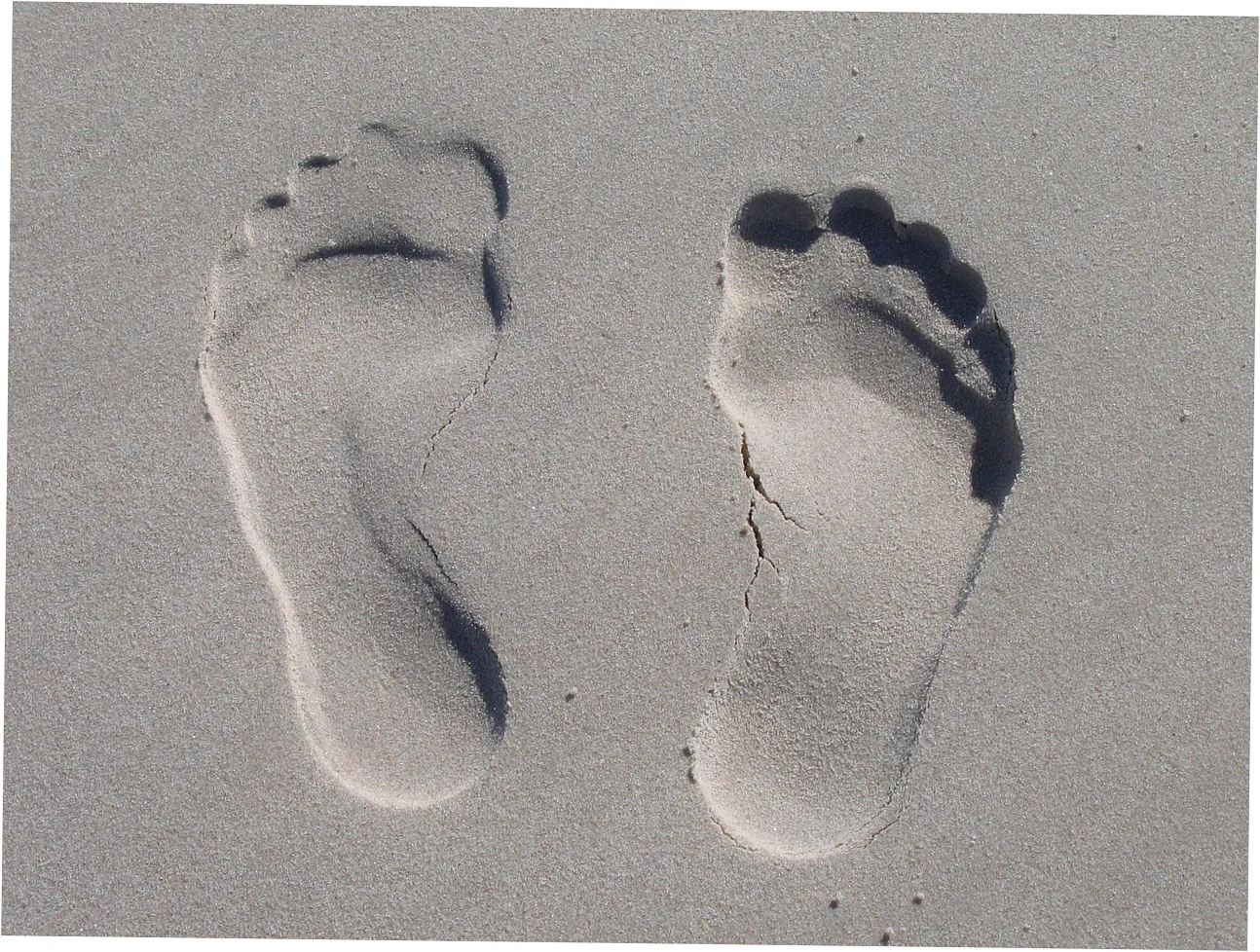
Step-by-Step Guide: 1. The Wet Footprint Test: Wet your foot and step onto a dark piece of paper or cardboard. If your arch is normal, you’ll see a curved line connecting your heel and the ball of your foot. But if your foot is flat, you’ll see almost your whole foot print. Do this test once a year to keep track. 2. Strength Training: Practice picking up a towel with your toes and marble pickups. You can also do heel raises on one leg while holding onto a counter to keep your balance. 3. Regular Professional Check-ups: Have your feet examined annually by a podiatrist or pedorthist, especially if you have diabetes or other risk factors. Think of it like getting your teeth cleaned. A little preventative care now can save you from big problems down the road.
| What you’re feeling or seeing | What to try at home first | When to make the call to a pro |
|---|---|---|
| If your arch just aches a little after a long day | Try resting, icing it, and wearing supportive shoes. | If it’s still bothering you after two weeks, then get it checked out. |
| If you can see your arch flattening out when you stand up | Do the wet footprint test we talked about and keep an eye on it. | Go ahead and schedule an appointment, but it doesn’t have to be right away. |
| If you have pain or swelling on the inside of your ankle or arch | Use ice, take some over-the-counter anti-inflammatory meds, and avoid activities that make it worse. | You should see a doctor within a week or two. |
| If you’re having trouble standing on your tiptoes on just one foot | Stop doing any high-impact exercise right away. | And make an appointment to see a doctor soon. |
Conclusion and Call to Action
So, can aging cause flat feet? Absolutely, and it often does. The main reason is that as we get older, the posterior tibial tendon and the ligaments that support your arch can wear down or degenerate. But here’s the good news: you’re not stuck with it. You can actually do something about it. The key is to know what puts you at risk and to spot the early signs. Once you do, you can take charge. Get the right shoes, do some specific exercises, and be proactive. This way, you can keep your feet strong and stable for a long, long time. So, don’t just write off foot pain as something you have to live with when you’re older. You really don’t have to.
Can you get flat feet from aging, even if you never had them when you were younger?
Yes, you sure can. Doctors call this adult-acquired flatfoot, or sometimes posterior tibial tendon dysfunction. It happens when that main tendon holding up your arch—the posterior tibial tendon—gets weak or damaged over time.
Aging, putting on extra weight, or other health issues can cause this. So that arch you used to have can actually fall down as you age.
What are the early warning signs that aging is causing flat feet?
Look out for pain, soreness, or swelling on the inner side of your ankle or arch, especially after you’ve been on your feet. Your foot might feel tired or weak.
You might see the inside edges of your shoes wearing out faster, or struggle to go up on your tiptoes on that foot. Don’t brush off that inner ankle pain.
Can exercises help stop flat feet from developing as you age?
Yes! Strengthening the muscles around your arch makes a difference. Good ones to try are heel raises—really focus on lifting that arch. You can also grab a towel or marbles with your toes.
Another is the short foot exercise: pull the ball of your foot back toward your heel without crunching your toes. Doing them regularly matters more than going all-out.
What shoes work best if your arch is falling due to aging?
Aim for shoes with three things: First, a stiff, supportive back (the heel counter) that won’t squish when you press it. Second, either built-in arch support or enough room for an insert. Third, a sole that’s stable and doesn’t twist too easily.
Solid athletic walking shoes or stability running shoes are usually great picks. Steer clear of totally flat, floppy shoes like flip-flops or thin ballet flats.